Starch-Derived Sweeteners Processing

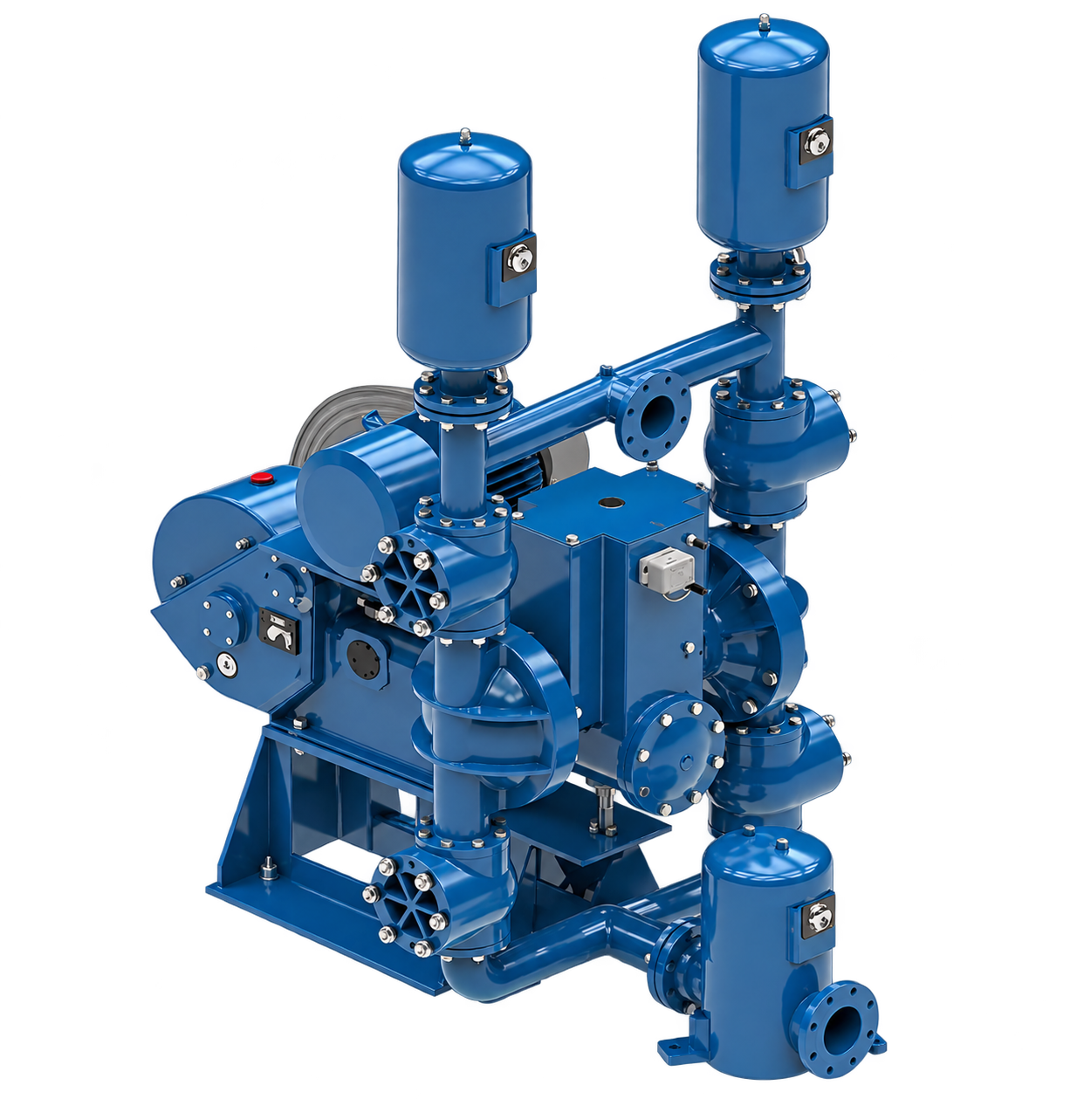
Converting native crop starches (corn, cassava/tapioca, wheat) into industrial sweetener syrups (Glucose, Maltose, High Fructose Corn Syrup - HFCS) demands tight thermodynamic control and biocatalytic precision. Initial starch gelatinization and liquefaction induce sharp viscosity spikes, while subsequent saccharification and syrup evaporation require strictly stabilized thermal windows to protect enzyme kinetics and prevent carmelization. Lecoqimex delivers integrated systems featuring SonFlow Free Flow non-clog plate exchangers, low-pressure vapour evaporators, DanPumps sanitary pumps, and ABEL piston diaphragm pumps for starch slurry dewatering.

Starch-Derived Sweeteners Processing

Precise Carbohydrate Profile Control & Maximum Evaporative Energy Recovery

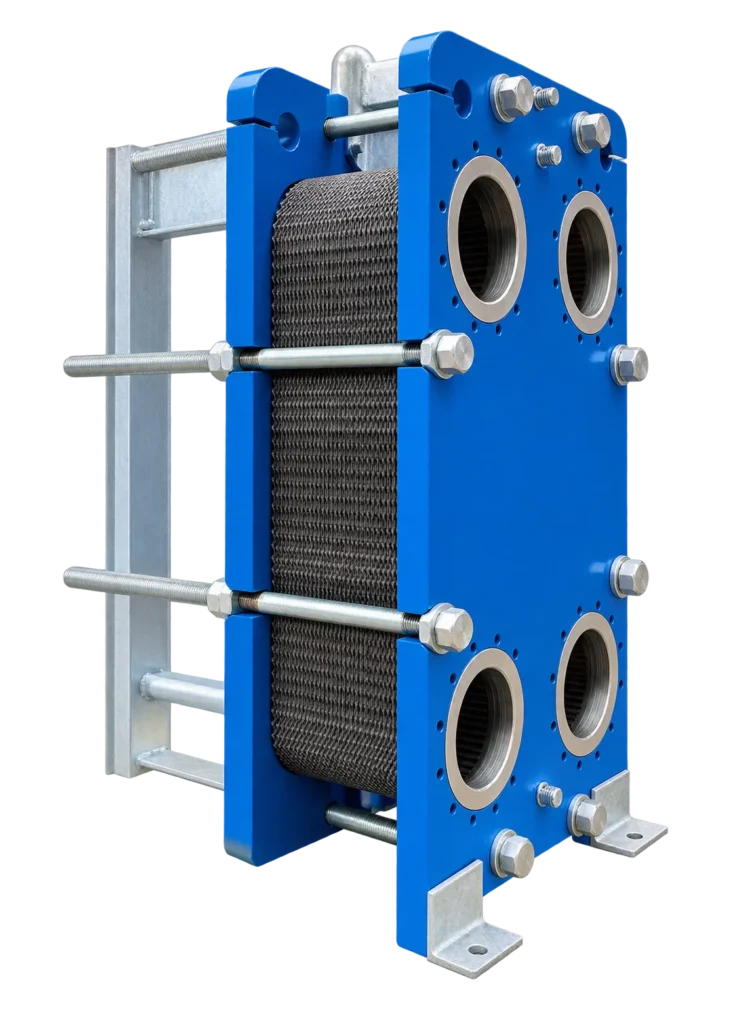
  • SonFlow Free Flow plate exchangers accommodating drastic viscosity surges during starch gelatinization
  • SonFlow Condenser/Evaporator plate stations reducing utility steam consumption by up to 40%
  • Accurate inter-stage cooling ensuring optimal enzymatic operating windows and DE conversion efficiency
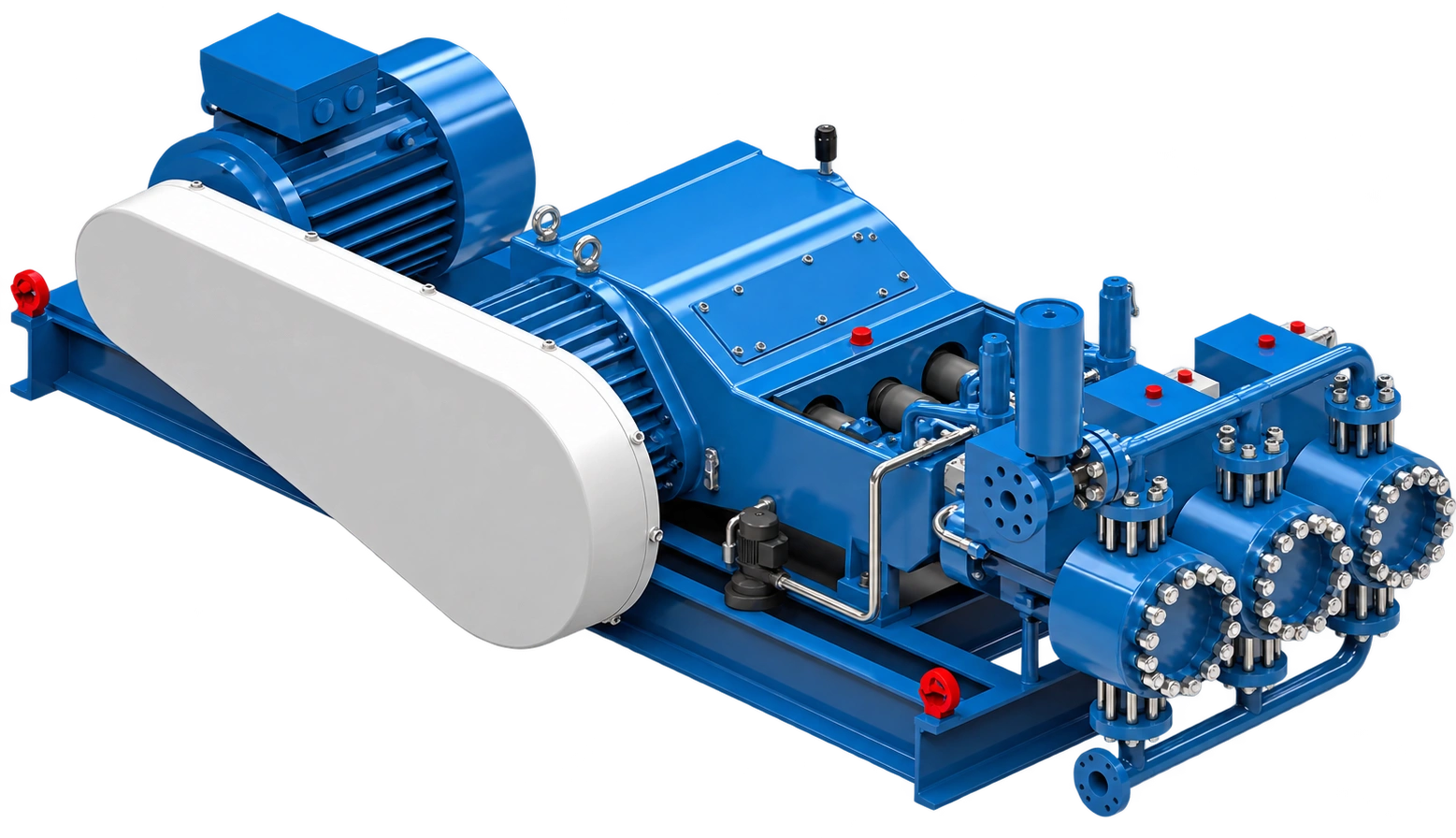
  • ABEL HM piston diaphragm pumps providing high-pressure slurry feed for starch residue dewatering

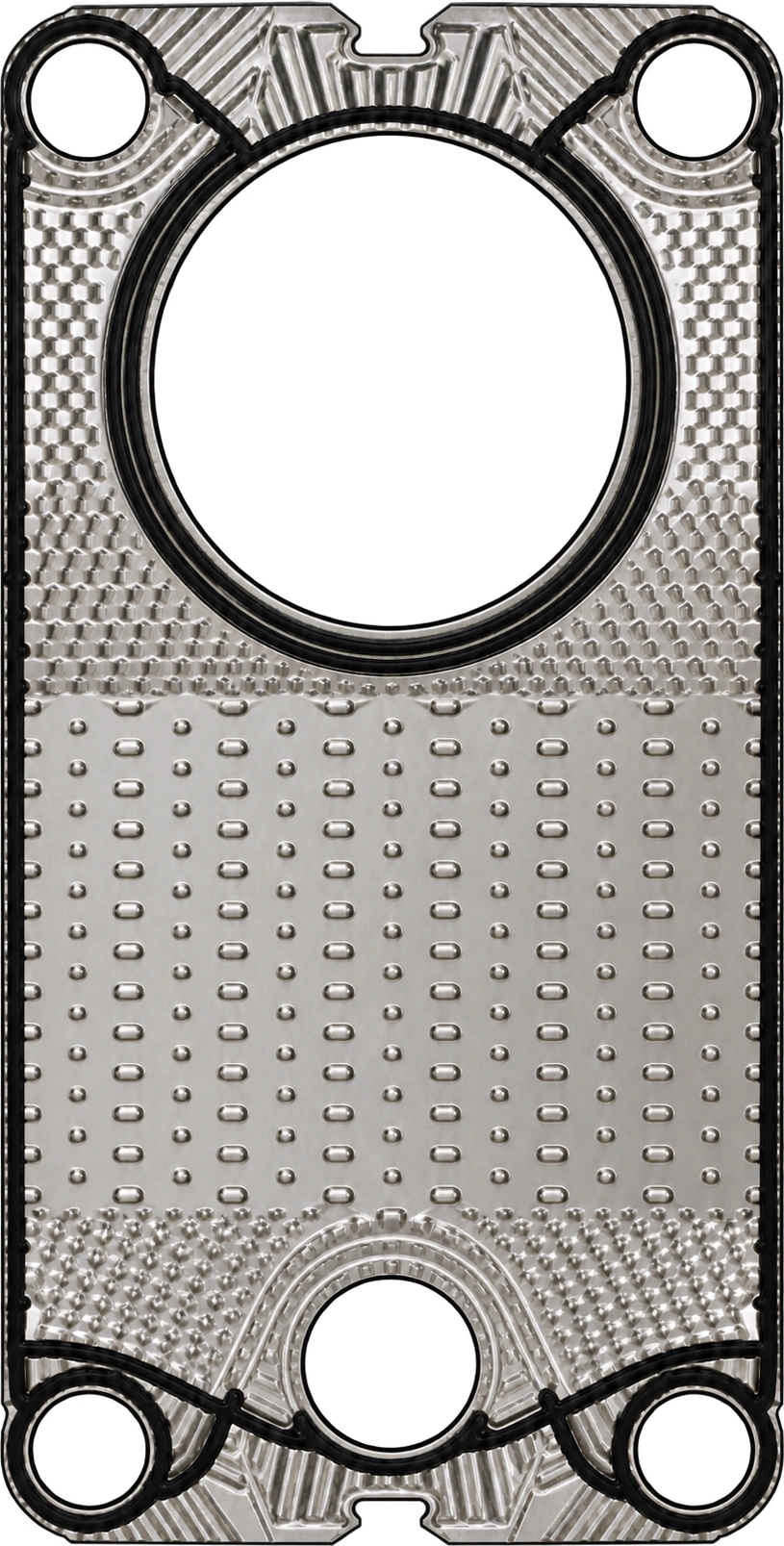
When aqueous starch slurry is heated within 60°C - 85°C, rapid gelatinization triggers an explosive viscosity increase within seconds. Conventional compact heat exchangers suffer from severe channel fouling and localized hot spots that burn native starch. SonFlow Free Flow plate heat exchangers feature wide open unobstructed channels with zero contact points, enabling uniform slurry movement and rapid heat transfer so that thermostable Alpha-Amylase enzymes can break starch chains effortlessly.

1. Fundamentals of Starch-to-Sweetener Enzymatic Conversion

Converting raw crop starches into industrial sweetener syrups represents a milestone of modern food biotechnology, refining agricultural starch feedstocks into premium liquid carbohydrate ingredients.

The sequence begins with purified aqueous starch slurry (30-35% dry solids). Controlled thermal inputs combined with specific biocatalysts (Alpha-Amylase, Glucoamylase, Pullulanase) systematically cleave alpha-1,4 and alpha-1,6 glucosidic linkages to tailor the targeted carbohydrate spectrum. SonFlow plate exchangers regulate thermal profiles within strict ±0.5°C tolerance windows.
1. Fundamentals of Starch-to-Sweetener Enzymatic Conversion
Fig 1.1: Industrial enzymatic conversion reactors and utility pipework in a starch sweetener facility.

2. Starch-to-Syrup Continuous Processing Stages

Converting purified starch suspension into tailored syrups follows an integrated continuous process flow:

Stage 01

Slurry Preparation & Liquefaction

  • 01. Slurry Conditioning: Adjusting dry solids to 30-35% DS, pH, calcium ions, and thermostable Alpha-Amylase.
  • 02. Gelatinization Heating: SonFlow Free Flow PHEs or Jet Cookers rapidly heat slurry to 105°C, dissolving granular structures.
  • 03. Retention & Viscosity Breakdown: Flash chamber hold coils allow enzymes to break starch into dextrins (DE 10-15).
Stage 02

Enzymatic Saccharification

  • 04. Inter-Stage Cooling: SonFlow PHEs cool liquor swiftly from 105°C to 60°C to match Glucoamylase optimal window.
  • 05. Continuous Saccharification: 48 to 72 hours residence time across agitated tank trains to target required DE (DE 42, 60 or DE 95+).
Stage 03

Clarification & Refining

  • 06. Residue Dewatering: ABEL HM pumps feed insoluble protein and fibre slurry into filter presses.
  • 07. Carbon Decolourisation: Activated carbon columns adsorb color bodies and organic impurities.
  • 08. Demineralisation: Dual-bed ion exchange columns strip ash and trace heavy metals.
Stage 04 & 05

Evaporation, Isomerisation & Dispatch

  • 09. Multi-Effect Evaporation: SonFlow plate evaporators concentrate liquor from 30% to 70-80% dry solids.
  • 10. Fructose Isomerisation (HFCS): Routing glucose syrup through immobilized enzyme beds to convert glucose into fructose.
  • 11. Final Cooling & Storage: Cooling syrup to 35°C before bulk dispatch or aseptic drum filling.
2. Starch-to-Syrup Continuous Processing Stages
Fig 1.2: Multi-effect plate evaporator train concentrating purified carbohydrate syrup under deep vacuum.

3. SonFlow, DanPumps & ABEL Equipment Engineering

The equipment portfolio provided by Lecoqimex is engineered around the rheology of starch slurries and dense syrups:

SonFlow Free Flow Plate Heat Exchangers

Wide open flow channels with zero plate contact points allow viscous gelatinized starches and particulate slurries to flow smoothly, eliminating thermal fouling and surface burn-on.

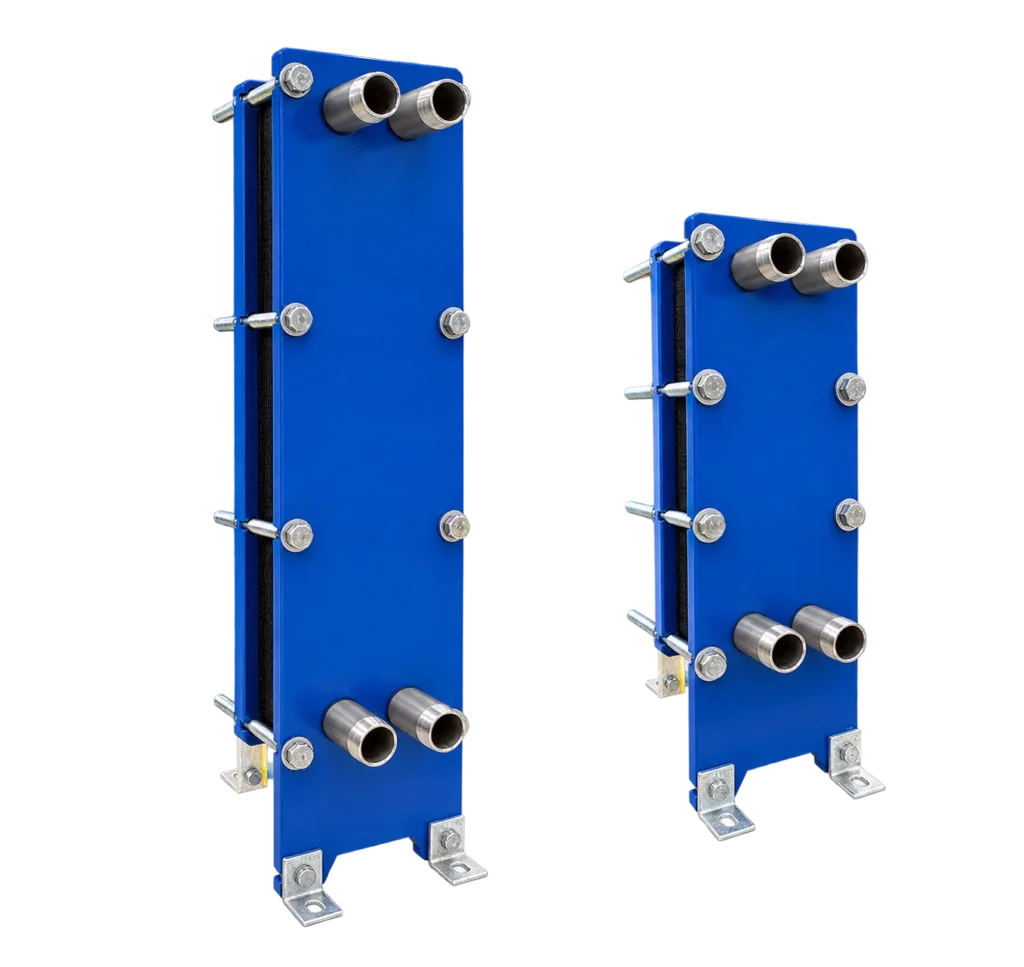
SonFlow Condenser/Evaporator Plate Units

Delivering 3 to 4 times higher heat transfer coefficients than shell-and-tube units. Ultra-low product hold-up prevents thermal degradation and discoloration of refined syrups.

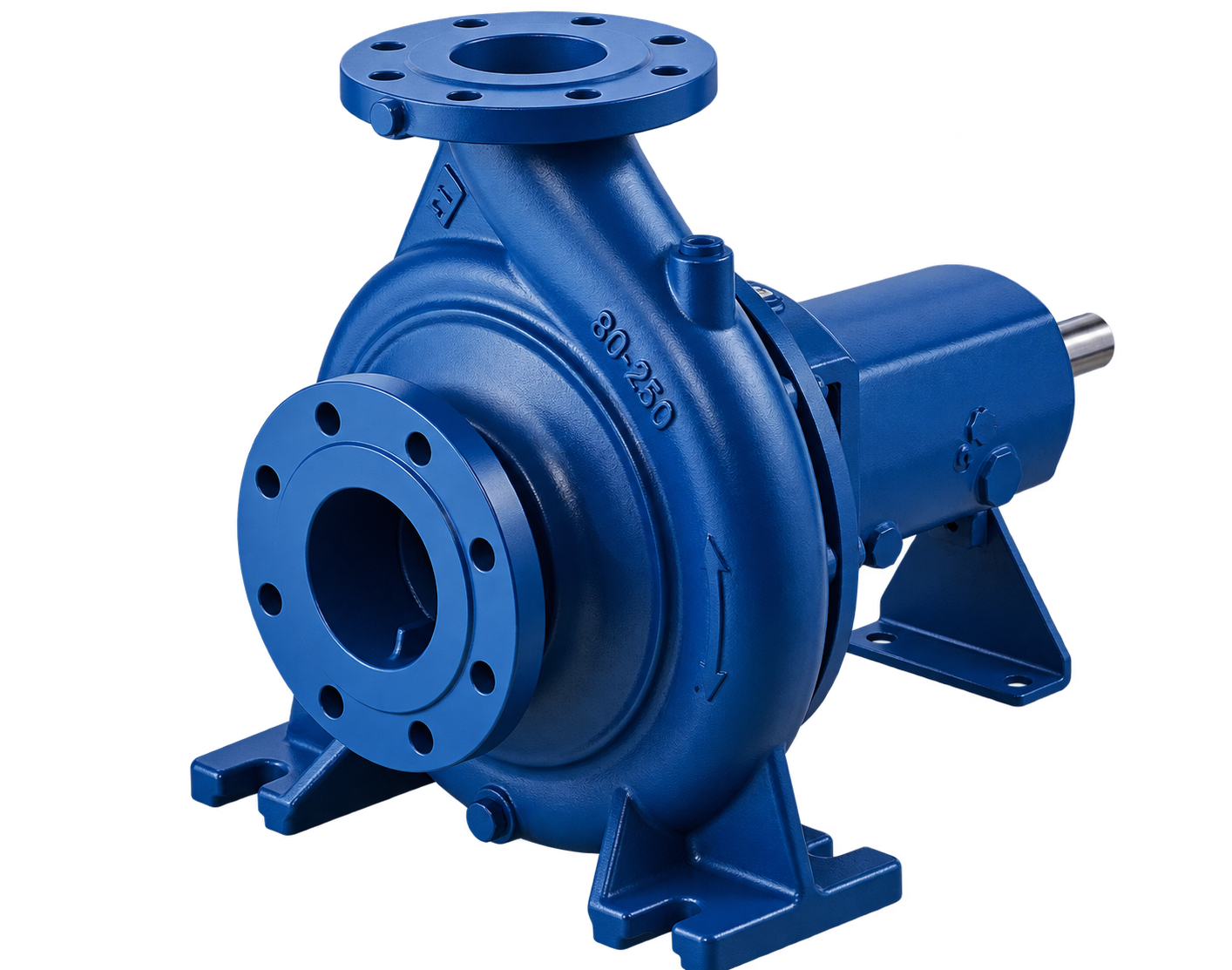
DanPumps S-FP Sanitary Centrifugal Pumps

FDA and 3-A compliant stainless steel sanitary design. Efficiently transferring starch slurries, conversion liquors, and finished syrups with complete clean-in-place (CIP) capability.

ABEL HM High-Pressure Piston Diaphragm Pumps

Specialized for feeding starch insoluble residues and cake into filter presses, delivering up to 16 bar pressure with automated flow regulation.

3. SonFlow, DanPumps & ABEL Equipment Engineering
Fig 1.3: SonFlow Free Flow plate heat exchanger installation for viscous starch slurry heating and inter-stage cooling.

Questions and answers about beer production solutions & equipment

What challenges does starch gelatinization pose to plate heat exchangers?

Upon reaching gelatinization temperatures, hydrated starch granules swell dramatically, causing fluid viscosity to spike. In standard narrow-gap exchangers with plate contact points, swollen starch aggregates and forms an insulating fouled layer on heat transfer surfaces. SonFlow Free Flow solves this with wide unobstructed flow channels that allow high-viscosity slurries to circulate freely without clogging or excessive pressure drop.

How does the process sequence differ between Glucose Syrup and High Fructose Corn Syrup (HFCS)?

Both processes begin with purified starch slurry undergoing enzymatic liquefaction and saccharification to yield glucose liquor. For standard glucose syrups, the liquor proceeds through filtration, carbon decolourisation, ion-exchange demineralisation, and multi-effect evaporation up to 80-84% dry solids. For High Fructose Corn Syrup (HFCS), the purified glucose must pass through an enzymatic isomerisation reactor to convert glucose into fructose, followed by chromatographic separation to enrich the fructose concentration.

How does the SonFlow Condenser/Evaporator optimize thermal energy during syrup concentration?

In multi-effect syrup evaporation stations, vapour generated from one stage serves as the heating utility for the subsequent effect. At the final stage, low-pressure vapour is condensed inside the SonFlow Condenser plate unit. With large vapour ports and low vacuum resistance, it maintains steady deep vacuum, allowing syrup boiling at mild temperatures (50°C - 60°C) to protect natural clarity and recover 100% hot condensate.

What roles do DanPumps and ABEL pumps play in starch sweetener production?

DanPumps S-FP sanitary centrifugal pumps convey starch milk, saccharified syrups, and evaporated final concentrates with high hydraulic efficiency. Meanwhile, heavy-duty ABEL HM piston diaphragm pumps operate in dewatering stations, delivering up to 16 bar pressure into filter presses to dewater residual fibres, proteins, and insoluble starch cakes.

Technical Brochures, Manuals & Certificates

Discuss Your Starch-Derived Sweeteners Engineering Project

From Free Flow heat exchangers controlling starch gelatinization to multi-effect syrup evaporators and ABEL filter cake pumps, Lecoqimex engineers calculate fluid and thermal parameters within 24 hours.

Click to browse or drag files here
PDF, CAD, 3D STEP, Office, Images (Max 50MB)

Request for Quote Submitted Successfully!

Your technical dossier has been registered into the Lecoqimex engineering system.

B2B INQUIRY SLIP LIE-XXXX
LECOQIMEX
Integrated Industrial Solutions & OEM Spares
ELECTRONIC INQUIRY SLIP / SPEC RECORD
Ticket: LIE-XXXX
I. CLIENT & COMPANY INFORMATION
Full Name: --
Business Email: --
Phone Number: --
Company Name: --
Country / Location: --
II. SPECIFICATIONS & SCOPE
Technology Brand: --
Product / Model: --
Industry: --
Attached Documents: --
Current Status: Inquiry Received & Under Review
III. MESSAGE / REQUIREMENTS
--

How We Deliver Your Solution

From initial parameters to verified commissioning, our engineering team ensures optimal thermal performance and seamless integration.

01

Parameter Assessment

We analyze your specific flow rates, temperature profiles, wort gravity, and cellar cooling requirements.

02

Thermodynamic Modeling & CAD

Application engineers run thermodynamic simulations to size heat exchangers, select materials, and prepare 2D and 3D CAD files for your plant layout.

03

OEM Optimization & Proposal

You receive a detailed technical proposal with verified performance guarantees, energy recovery estimates, and transparent pricing.

04

Commissioning & Support

We provide on-site installation guidance, commissioning validation, full sanitary compliance documentation, and ongoing spare parts availability.

Need urgent sizing assistance? Reach our engineering team at +33 7 82 85 35 55 or services@lecoqimex.com

Link copied!