Yogurt & Cultured Milk Processing

Manufacturing premium yogurt and cultured dairy products requires precise thermal profiling during biological incubation and ultra-gentle chilling of delicate protein coagulums. Lecoqimex delivers integrated engineering solutions combining SonFlow Wide-Gap plate heat exchangers for high-viscosity non-Newtonian flows, low-shear DanPumps S-FP sanitary centrifugal pumps preserving casein gel integrity, and validated EHEDG CIP sanitization.

Yogurt & Cultured Milk Processing

Thermal Incubation Precision & Casein Gel Network Protection

  • Rapid post-fermentation chilling from 43°C to 15°C arresting acidification and preventing syneresis
  • SonFlow Wide-Gap plate geometry minimizing differential pressure drops across non-Newtonian viscous flows
  • DanPumps S-FP semi-open impeller hydraulics safeguarding texture, gloss, and apparent viscosity
  • Full 3-A and EHEDG certified design eliminating cross-contamination and bacteriophage risks

During yogurt fermentation, the three-dimensional casein micelle network forms as lactic acid generation drives the pH down to the isoelectric point (pH 4.6). Once optimal firmness is reached, chilling must be executed swiftly yet gently to arrest lactic bacterial activity without fracturing fragile protein strands. SonFlow plate exchangers featuring wide inter-plate clearances allow viscous curd to flow smoothly, ensuring uniform texture and zero graininess.

1. Microbial Kinetics & Thermal Dynamics in Yogurt Processing

The body, firmness, and mouthfeel of set yogurt, stirred yogurt, and kefir are determined not only by pure starter cultures, but by initial milk thermal conditioning and subsequent chilling profiles.

Preheating the formulated milk base to 90°C - 95°C with a 5-minute holding time induces selective denaturation of serum whey proteins, enabling them to cross-link with casein micelles into a robust water-binding matrix. Following fermentation at 42°C - 43°C, SonFlow cooling systems rapidly yet gently lower temperature to lock in acidity, texture, and aroma.
1. Microbial Kinetics & Thermal Dynamics in Yogurt Processing
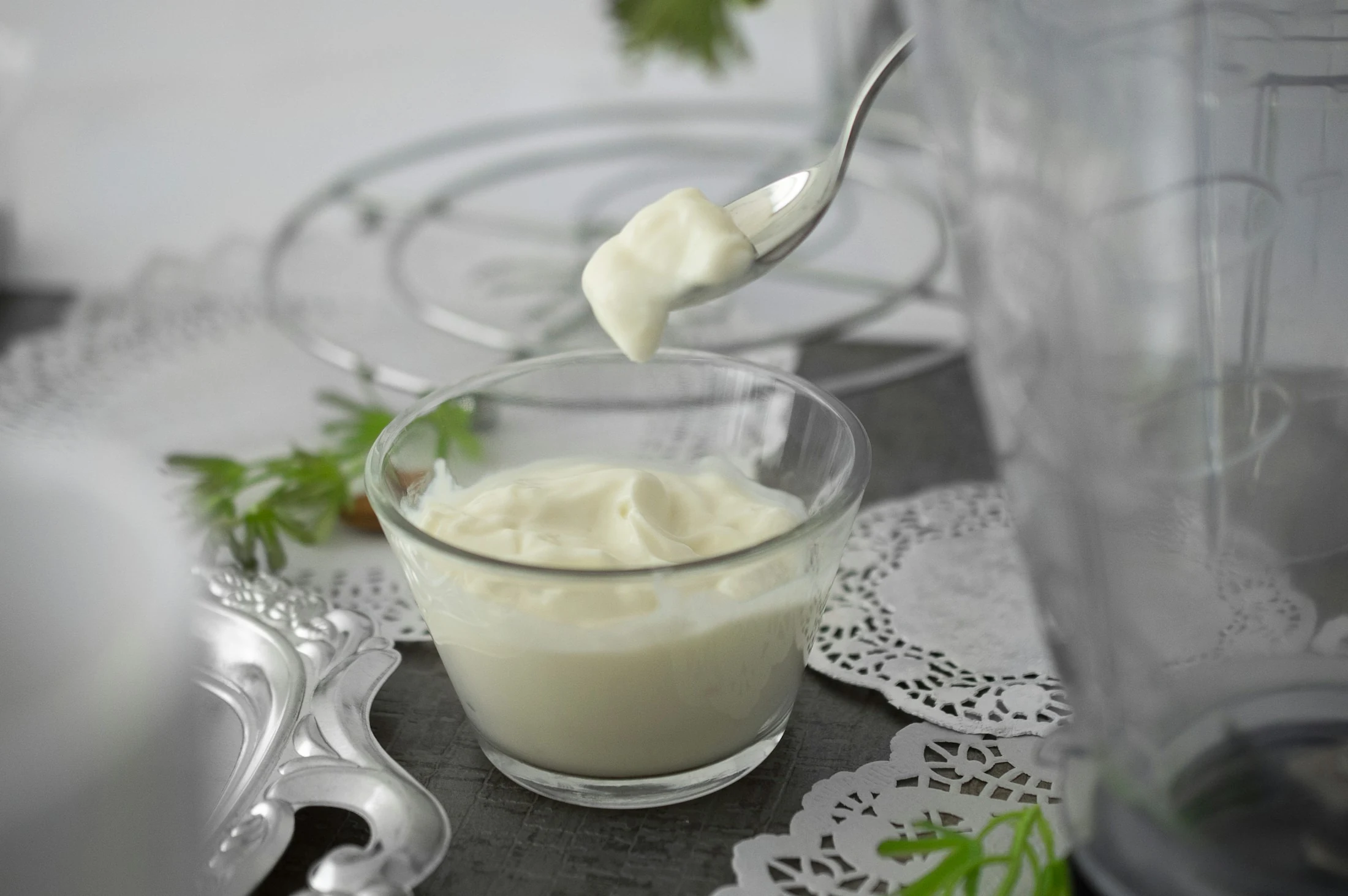
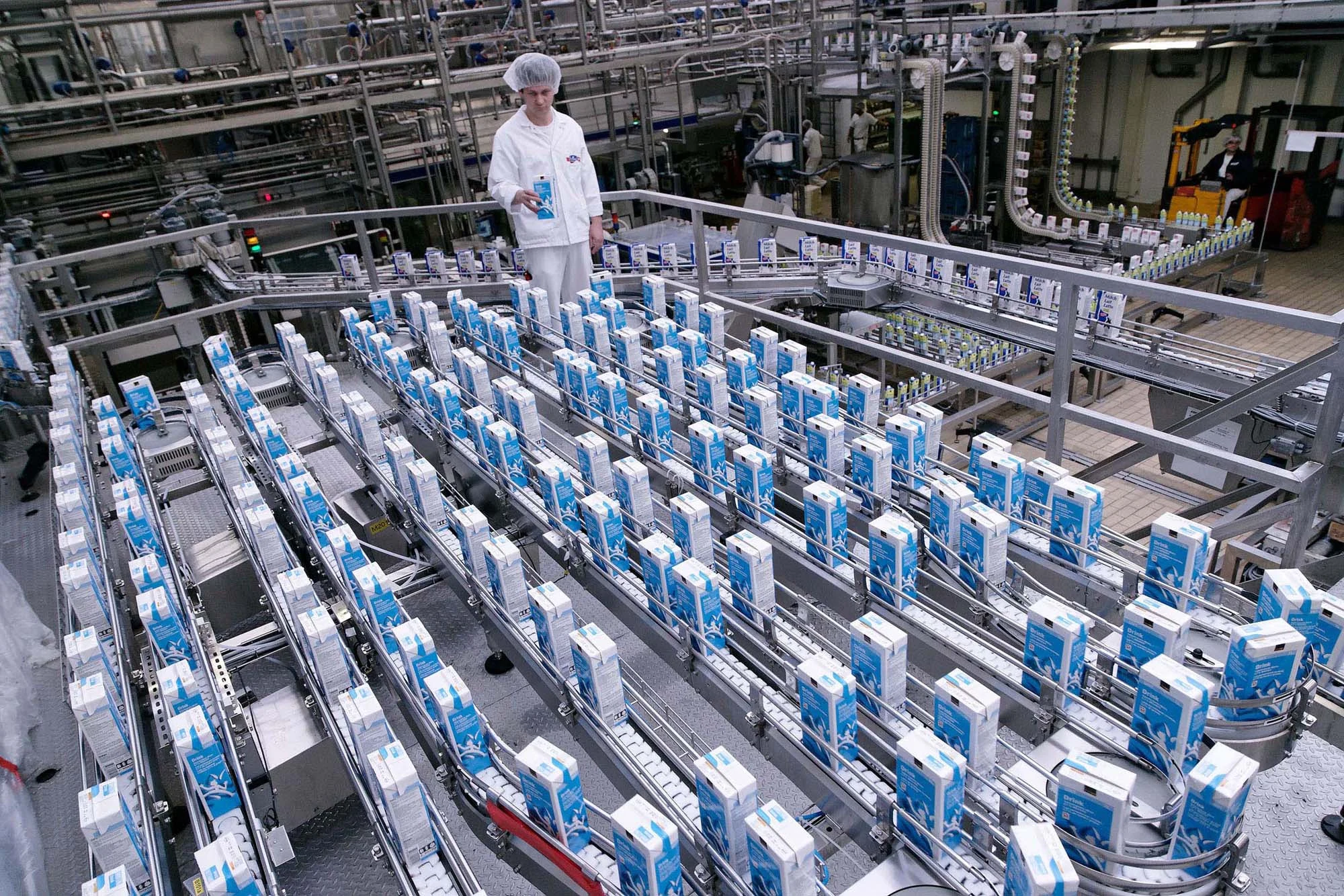
Fig 1.1: Industrial yogurt and cultured dairy processing under certified sanitary operating standards.

2. The Cultured Dairy Processing Sequence

Modern cultured milk manufacturing proceeds through two automated and hygienically isolated sequences:

Stage 01

Milk Base Formulation & Incubation

  • 01. Dry Matter Standardization: Elevating solids-non-fat (SNF) to 11-13% via skim milk powder.
  • 02. High Heat Treatment: Holding at 90°C - 95°C for 5 minutes in SonFlow PHE to denature whey proteins.
  • 03. Two-Stage Homogenization: Processing at 200/50 bar at 65°C to enhance gel firmness.
  • 04. Incubation Temperature Cooling: Bringing mix to exact inoculation temperature (42°C - 43°C).
  • 05. Aseptic Inoculation: Dosing freeze-dried DVS cultures under positive sterile pressure.
  • 06. Biological Fermentation: Maintaining steady cellar temperature until pH reaches 4.55.
Stage 02

Cooling, Fruit Dosing & Packaging

  • 07. Gentle Curd Break: Low-shear agitation initiating coagulum mobilization.
  • 08. In-Line Shock Cooling: Rapid temperature reduction from 43°C to 18°C via SonFlow Wide-Gap.
  • 09. Fruit Prep Blending: In-line sterile dosing of pasteurized fruit preparations.
  • 10. Ultra-Clean Filling: Packaging into pots or bottles under Class 100 HEPA air overpressure.
  • 11. Final Cold Curing: Palletized cold-store residence at 4°C for final texture set.
  • 12. Automated CIP & Live Steam SIP: Complete 121°C sanitization preventing microbial ingress.
2. The Cultured Dairy Processing Sequence
Fig 2.1: Insulated incubation fermenters featuring aseptic sampling valves and in-line shock cooling loops.

3. SonFlow Wide-Gap PHE for Viscous Cultured Fluids

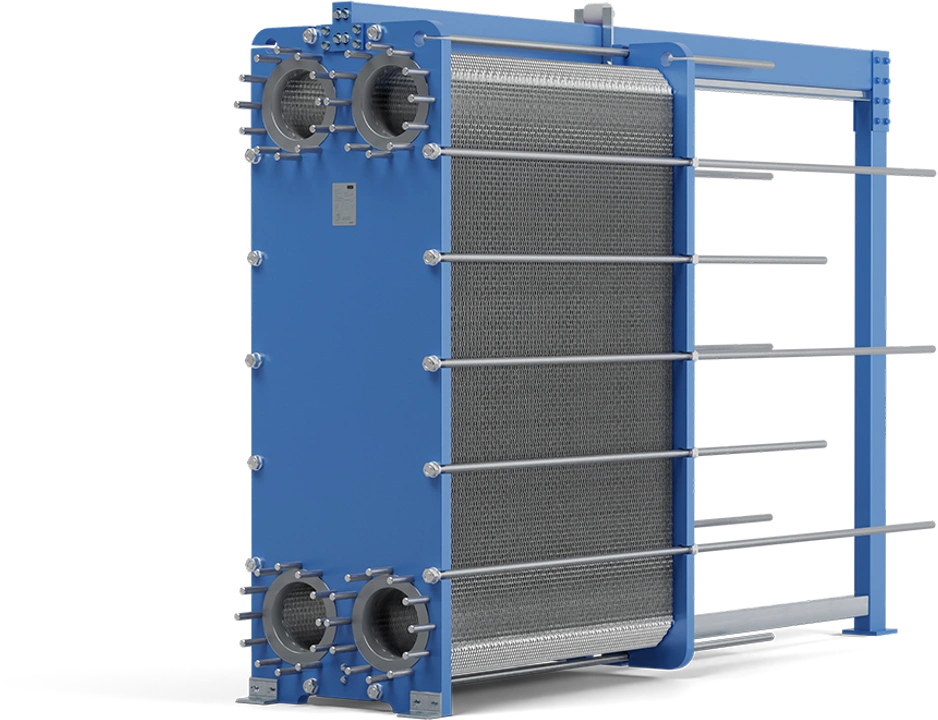
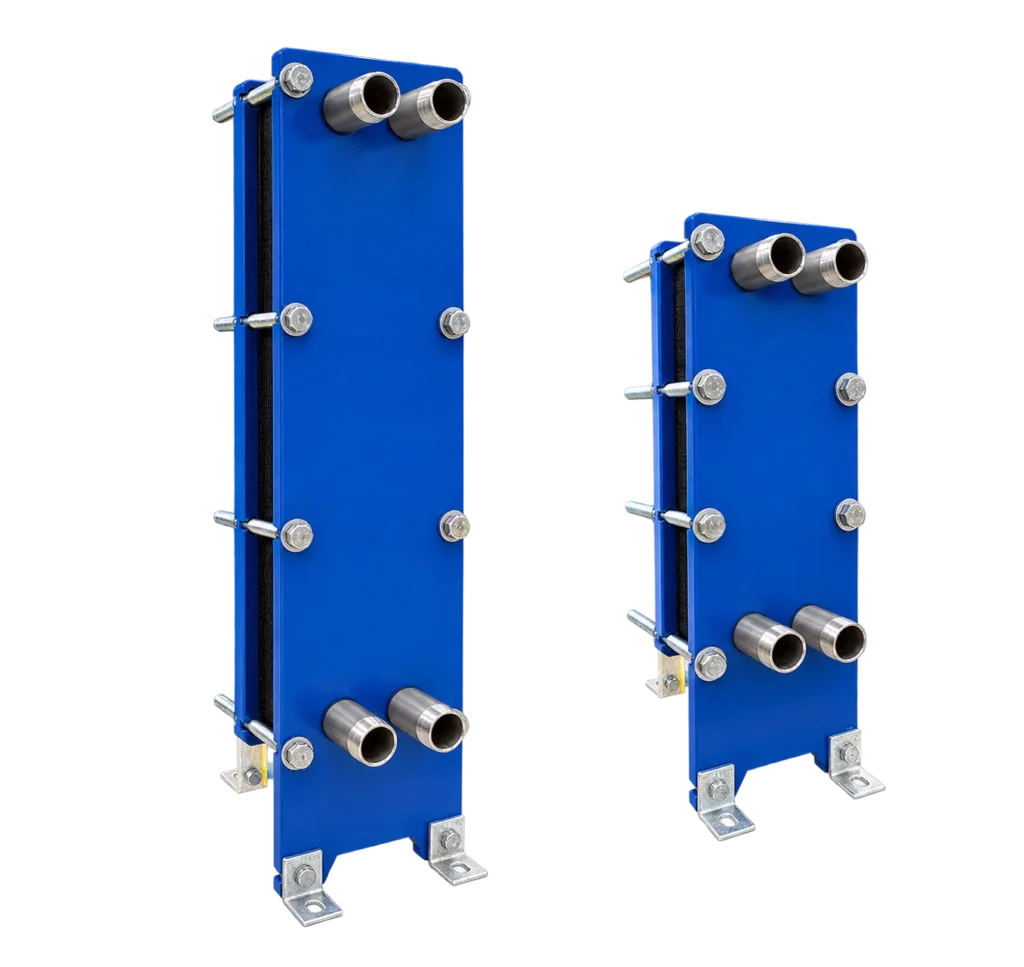
For viscous cultured dairy streams, conventional PHEs induce shear degradation and hydraulic choking. SonFlow Wide-Gap technology overcomes these rheological barriers:

01 / Extra-Wide Flow Channels

Free-flow clearances up to 8 mm permit delicate coagulum and fruit particulates to pass unhindered without shear induced thinning.

02 / Dead-Leg-Free Sanitary Finish

Electropolished AISI 316L plates ensure uniform slip-flow dynamics, preventing localized residue burning and enabling rapid CIP recovery.

3. SonFlow Wide-Gap PHE for Viscous Cultured Fluids
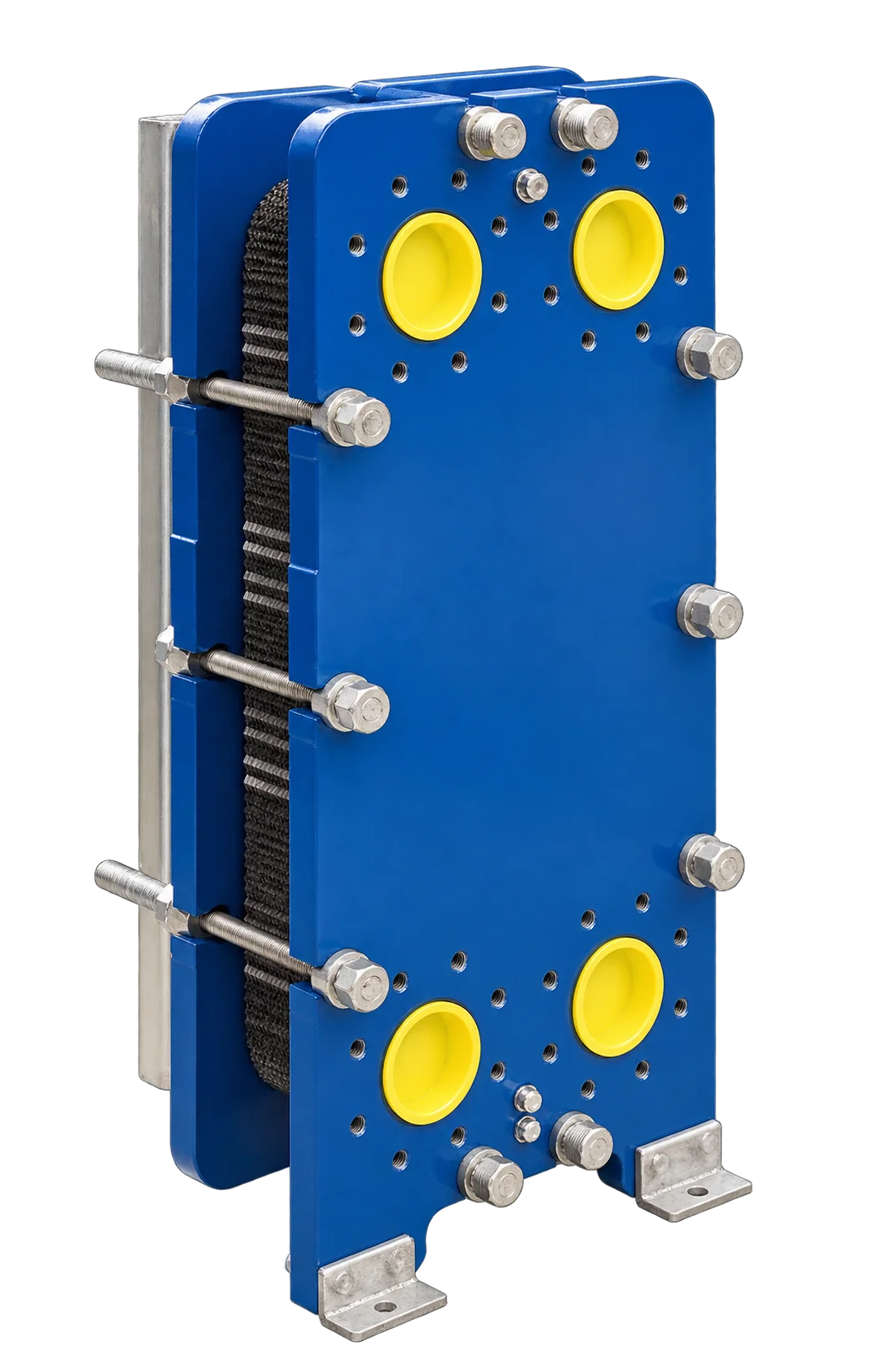
Fig 3.1: SonFlow Wide-Gap plate heat exchanger configured for high-viscosity yogurt cooling.

4. Gentle Curd Handling: DanPumps S-FP Sanitary Transfer

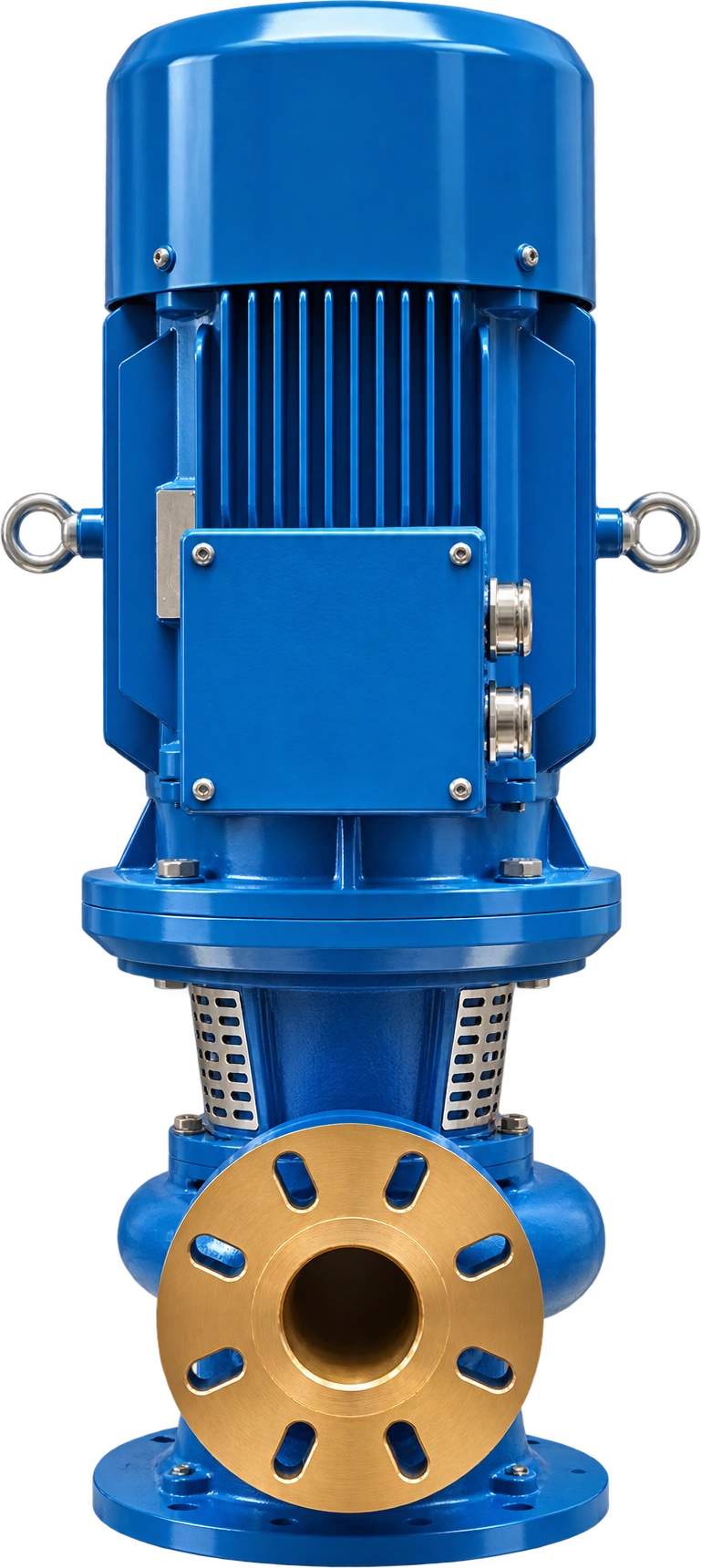
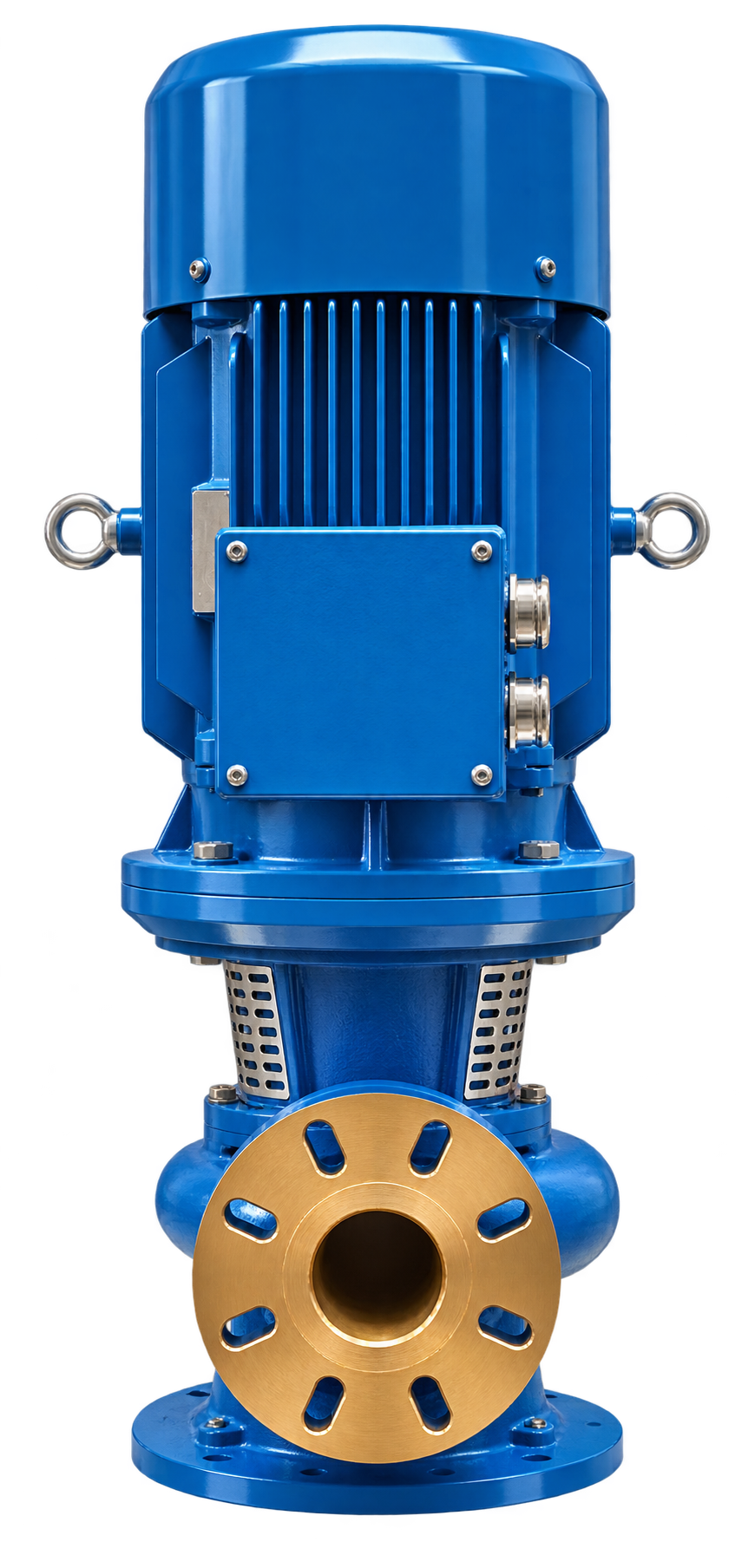
Transferring set coagulum through coolers to filling buffers without viscosity loss requires carefully matched hydraulics. DanPumps provides purpose-engineered transfer:

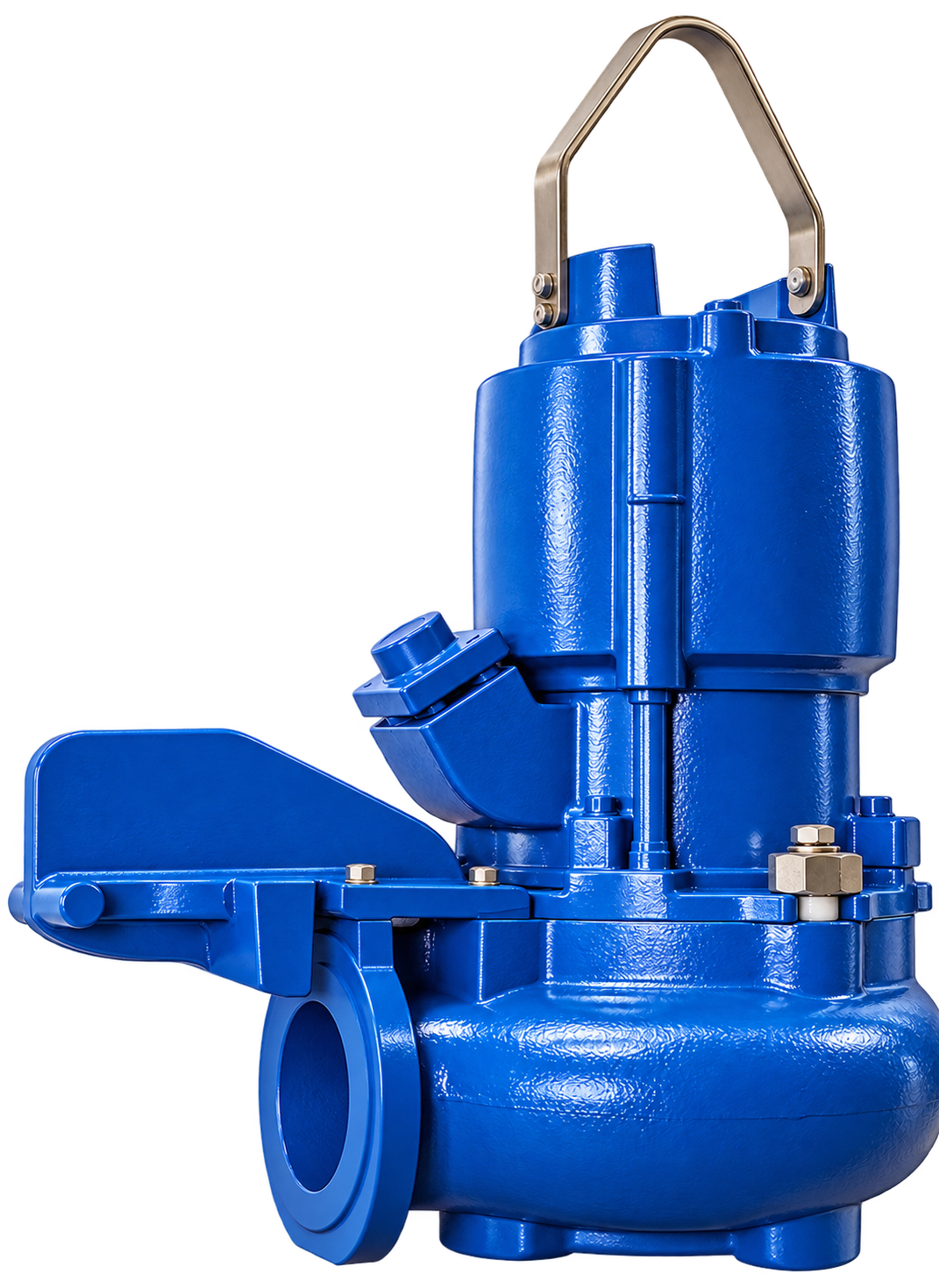
  • Dynamically balanced semi-open impellers ensure uniform product displacement with minimal shear degradation.
  • Variable frequency drives modulate shaft speed against backpressure to prevent cavitation and syneresis.
  • FDA-certified elastomeric mechanical seals exhibit superior resilience against natural lactic acid exposure.
4. Gentle Curd Handling: DanPumps S-FP Sanitary Transfer
Fig 4.1: DanPumps S-FP sanitary pump engineered for low-shear yogurt curd transfer.

Questions and answers about beer production solutions & equipment

How is post-incubation cooling executed without damaging the delicate casein curd matrix?

When fermentation targets are reached (pH 4.5 - 4.6), the coagulum is gently transferred through a SonFlow Wide-Gap plate chiller running on chilled glycol at 2°C. This single-pass shock cooling lowers product temperature from 43°C to below 18°C in seconds, immediately deactivating Streptococcus thermophilus and Lactobacillus bulgaricus to halt post-acidification and prevent whey separation (syneresis).

Why is the SonFlow Wide-Gap plate design essential for stirred yogurt processing?

Stirred yogurt behaves as a shear-thinning pseudoplastic fluid with substantial apparent viscosity. Standard plate gaps of 2-3 mm create high shear rates that permanently damage coagulum firmness and cause high backpressure. SonFlow Wide-Gap plates provide free-flow clearances of 5 to 8 mm with minimal contact points, promoting gentle laminar-like flow that preserves yield stress and product body while preventing blockage from fruit pulp pieces.

How does the DanPumps S-FP sanitary centrifugal pump differ from conventional pumps for yogurt transfer?

Standard centrifugal pumps operate with narrow clearances and high impeller tip speeds that generate severe shear forces, permanently thinning the yogurt texture. DanPumps S-FP units are configured for low-speed variable frequency operation with gently swept semi-open blades, converting velocity into static head smoothly to protect texture firmness, creaminess, and surface gloss.

How do sanitary engineering practices safeguard yogurt cultures from bacteriophage infection?

Bacteriophages represent the most destructive threat in yogurt fermentation, capable of killing starter cultures and halting acid production. Lecoqimex integrates orbital-welded aseptic lines, steam-sterilizable sample valves, and dead-leg-free SonFlow heat transfer skids. Validated CIP cycles combining peracetic acid (PAA) sanitation and live steam sterilization at 121°C ensure complete eradication of phages before starter inoculation.

Technical Brochures, Manuals & Certificates

Brochures & Datasheets

Discuss Your Yogurt & Cultured Milk Processing Application

From temperature-profiled incubation tanks and Wide-Gap coagulum chillers to low-shear sanitary transfer, Lecoqimex engineers collaborate to optimize your rheology and texture metrics within 24 hours.

Click to browse or drag files here
PDF, CAD, 3D STEP, Office, Images (Max 50MB)

Request for Quote Submitted Successfully!

Your technical dossier has been registered into the Lecoqimex engineering system.

B2B INQUIRY SLIP LIE-XXXX
LECOQIMEX
Integrated Industrial Solutions & OEM Spares
ELECTRONIC INQUIRY SLIP / SPEC RECORD
Ticket: LIE-XXXX
I. CLIENT & COMPANY INFORMATION
Full Name: --
Business Email: --
Phone Number: --
Company Name: --
Country / Location: --
II. SPECIFICATIONS & SCOPE
Technology Brand: --
Product / Model: --
Industry: --
Attached Documents: --
Current Status: Inquiry Received & Under Review
III. MESSAGE / REQUIREMENTS
--

How We Deliver Your Solution

From initial parameters to verified commissioning, our engineering team ensures optimal thermal performance and seamless integration.

01

Parameter Assessment

We analyze your specific flow rates, temperature profiles, wort gravity, and cellar cooling requirements.

02

Thermodynamic Modeling & CAD

Application engineers run thermodynamic simulations to size heat exchangers, select materials, and prepare 2D and 3D CAD files for your plant layout.

03

OEM Optimization & Proposal

You receive a detailed technical proposal with verified performance guarantees, energy recovery estimates, and transparent pricing.

04

Commissioning & Support

We provide on-site installation guidance, commissioning validation, full sanitary compliance documentation, and ongoing spare parts availability.

Need urgent sizing assistance? Reach our engineering team at +33 7 82 85 35 55 or services@lecoqimex.com

Link copied!