Plant Protein: Wet Fractionation & Extraction

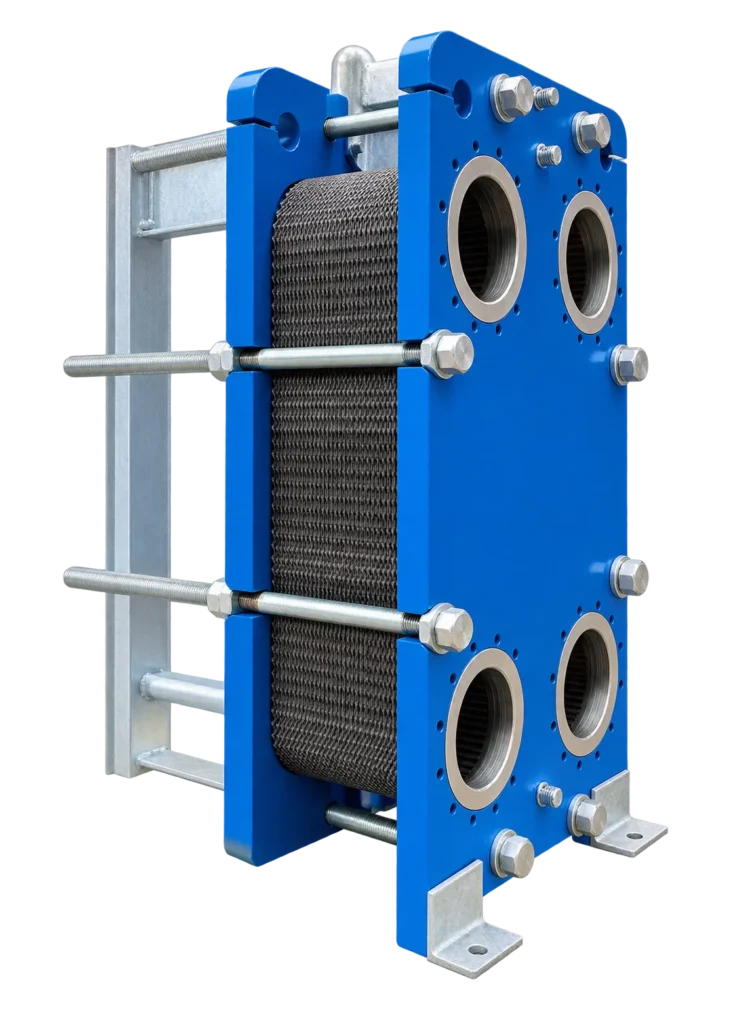
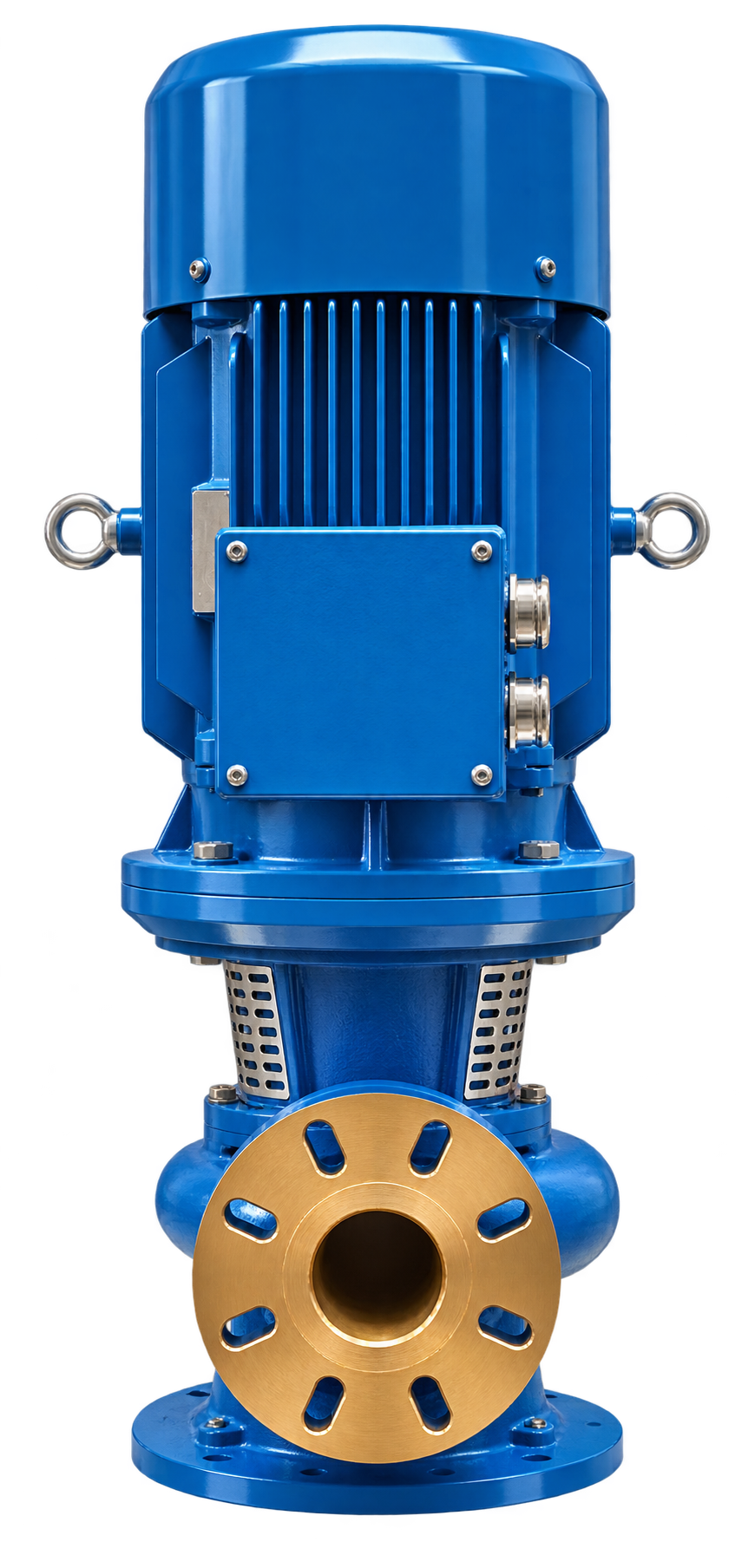
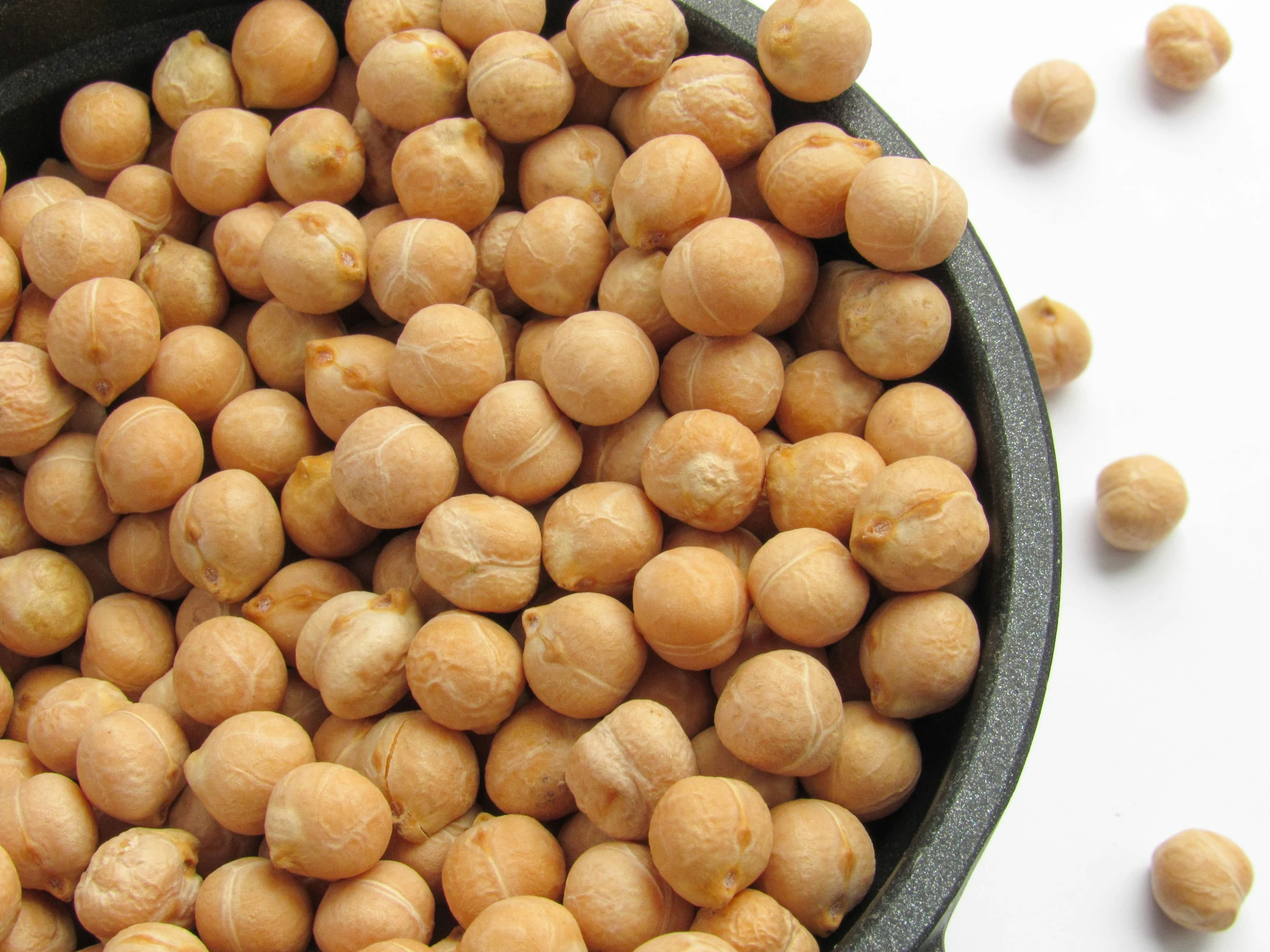
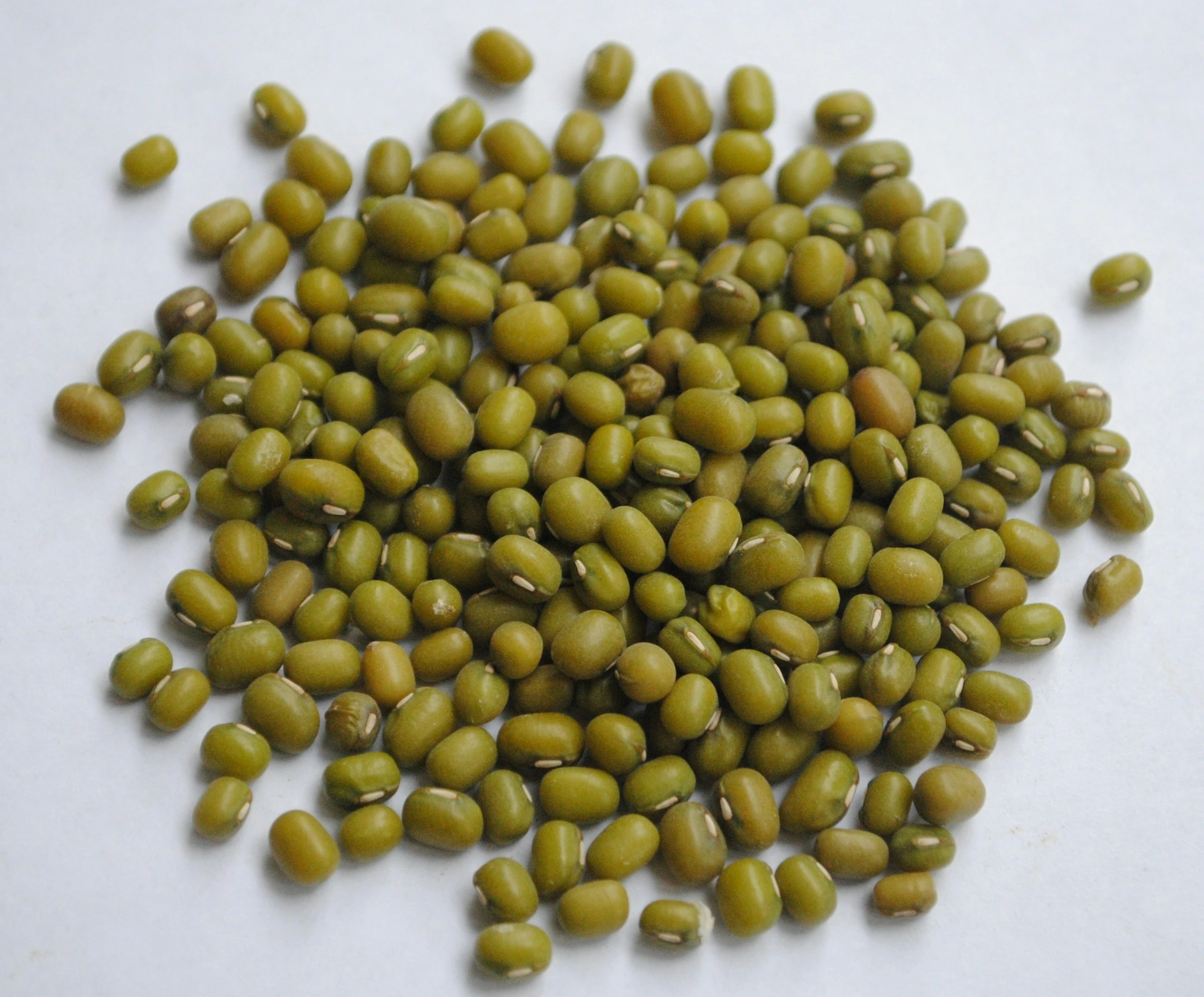
Plant-protein wet fractionation from pulses and oilseeds (yellow pea, soybean, chickpea, faba bean) represents the gold standard for producing high-purity protein isolates (>85-90% protein) and concentrates for alternative nutrition. The process navigates delicate alkaline solubilisation, centrifugal fiber and starch separation, isoelectric precipitation at pH 4.5, and hygienic thermal conditioning. Lecoqimex integrates non-clogging SonFlow Free Flow plate heat exchangers for grain slurries, 3-A sanitary plate units for dissolved proteins, gentle DanPumps S-FP pumps, and ABEL piston diaphragm pumps for fiber dewatering.

Plant Protein: Wet Fractionation & Extraction

Maximized Protein Isolate Purity & Preservation of Native Solubility and Gelling

  • SonFlow Free Flow plate exchangers safely accommodating drastic viscosity swings of pulse slurries
  • Strict thermal deactivation of lipoxygenase enzymes eliminating grassy beany off-flavors cleanly
  • Clean separation of co-product streams (purified starch and dietary fiber) for secondary revenue
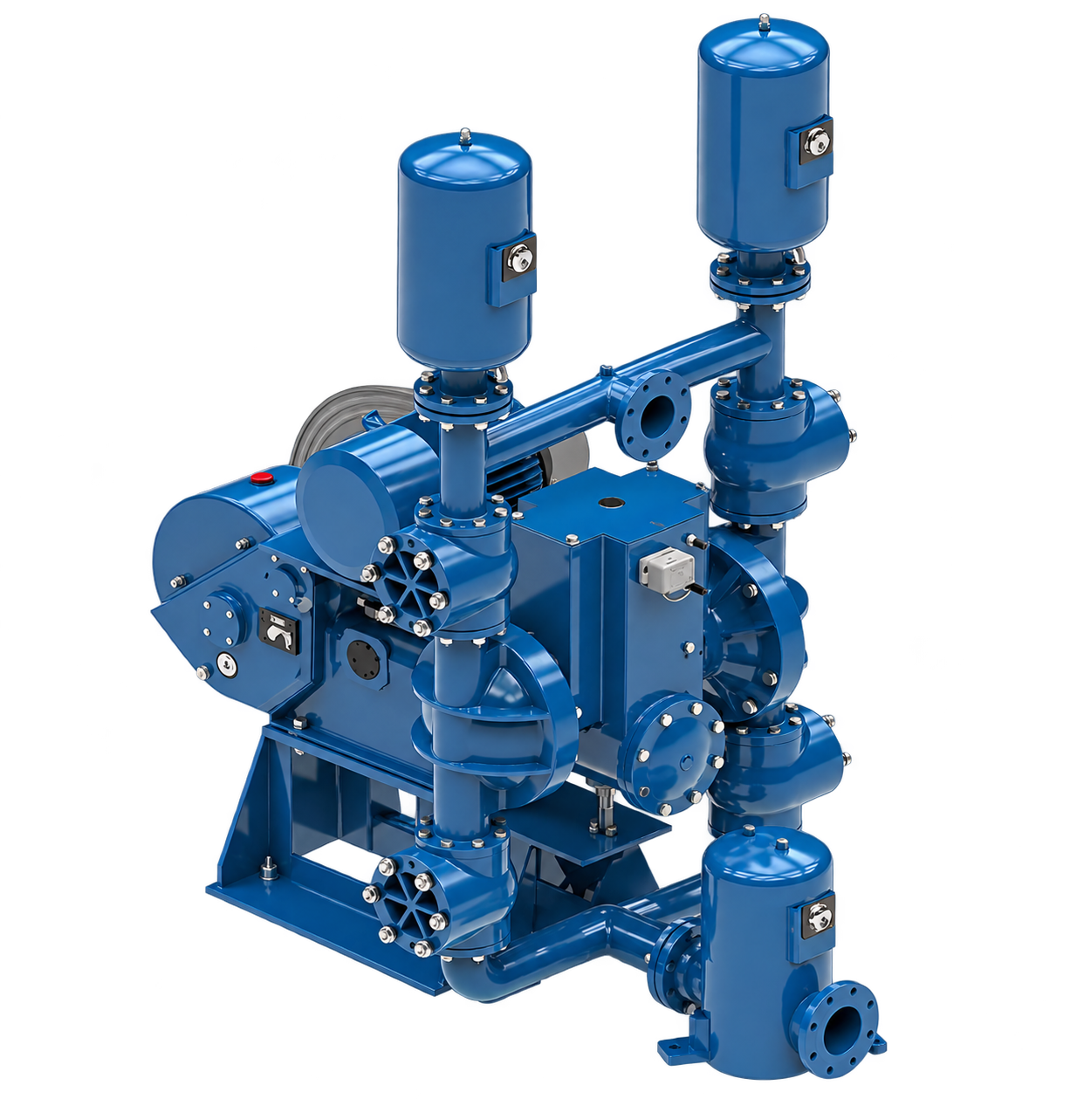
  • ABEL HM piston diaphragm pumps feeding pulse fiber cake into filter presses for low-energy dewatering

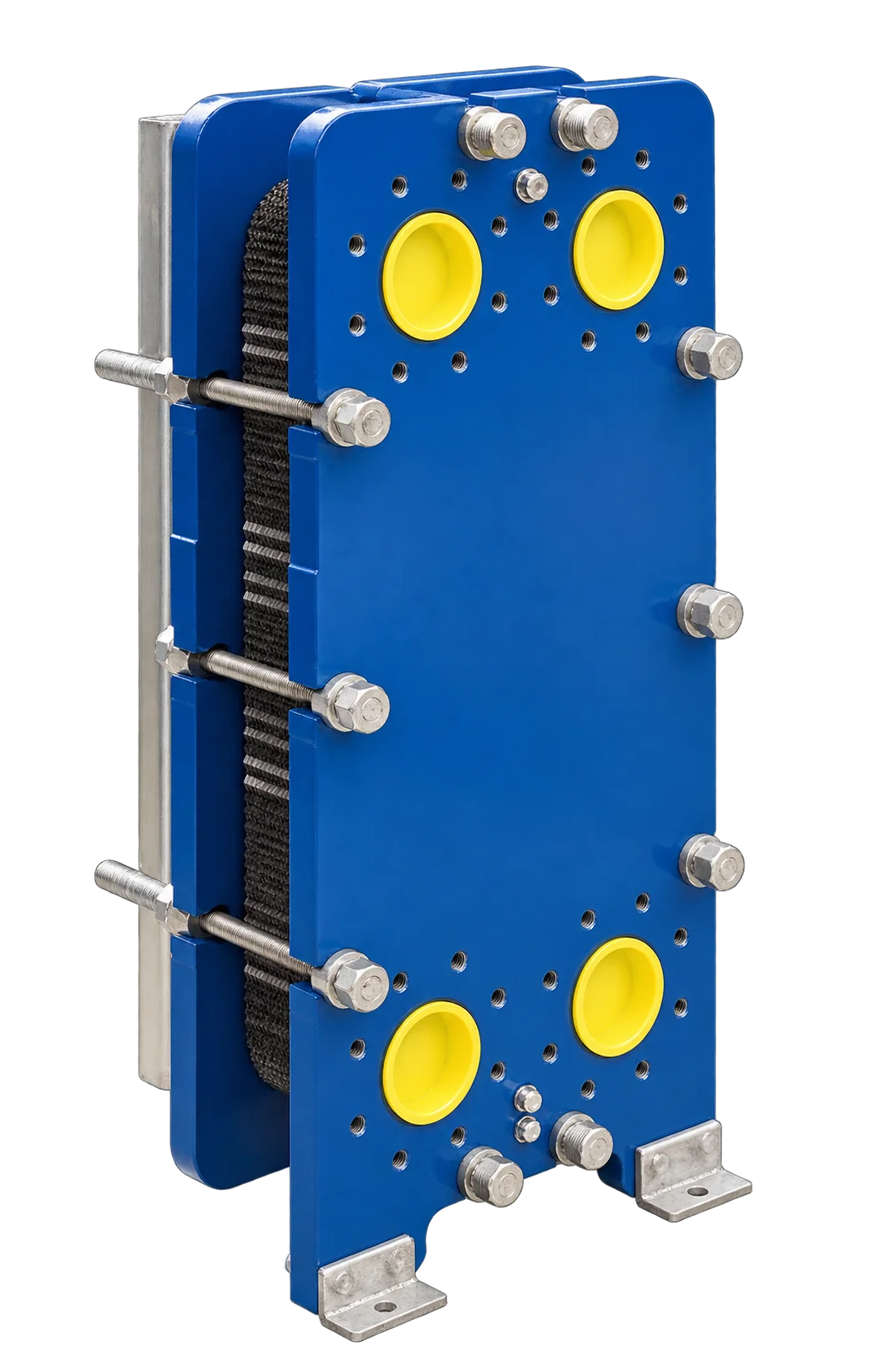
Within wet protein fractionation plants, pulse flour suspensions carry insoluble fibers and swollen starch granules that rapidly choke conventional narrow-gap heat exchangers. SonFlow Free Flow wide-gap plates engineer unobstructed fluid channels with zero metal contact points along flow vectors, allowing pulse slurries to circulate without plugging or excessive pressure loss. Furthermore, uniform heat transfer ensures complete denaturation of off-flavor lipoxygenase enzymes, yielding isolate powders with clean neutral taste profiles and high nitrogen solubility.

1. Alkaline Extraction Kinetics & Isoelectric Precipitation Mechanics

Plant protein wet fractionation is an elegant bio-chemical separation exploiting the pH-dependent solubility curve of storage proteins in pulse seeds.

Under mild alkaline conditions (pH 8.0 - 9.0), predominant globulin and albumin protein chains acquire net negative charges, solubilising cleanly into the aqueous phase. After decanters remove insoluble fiber and starch fractions, the clarified protein liquor undergoes controlled acidification using food-grade acids down to its isoelectric point (pI at pH 4.5). At this point, net molecular charge reaches zero, collapsing hydration shells and precipitating protein curds for centrifugal harvesting. SonFlow plate heat exchangers maintain strict thermal regulation across every phase transition.
1. Alkaline Extraction Kinetics & Isoelectric Precipitation Mechanics
Fig 1.1: Alkaline extraction tanks and isoelectric precipitation manifolds in a pulse protein isolate facility.

2. The Integrated Pulse Protein Wet Fractionation Sequence

The industrial pulse protein wet fractionation sequence comprises five continuous processing stages:

Stage 01

Slurry Conditioning & Alkaline Solubilisation

  • 01. Pulse Slurry Blending: Dispersing milled pulse flour in water (ratio 1:5 to 1:10) at 50°C.
  • 02. Caustic Dosing: Elevating pH to 8.0 - 8.5 via food-grade NaOH in agitated tanks to dissolve storage proteins.
  • 03. SonFlow Free Flow Heating: Regulating extraction temperature stably at 50°C - 55°C without channel plugging.
Stage 02

Decanter Fiber & Starch Separation

  • 04. Decanter Fiber Stripping: High-g decanters separate insoluble cell-wall fibers towards ABEL HM dewatering.
  • 05. Starch Cake Separation: Concentrating dense starch granules for dedicated washing and sweetener processing.
Stage 03

Isoelectric Precipitation & Cake Washing

  • 06. Acidification to pH 4.5: Controlled dosing of food-grade acid precipitates flocculated protein curds.
  • 07. Centrifugal Curd Harvesting: Disc-stack centrifuges recover dense curd, discharging whey permeate.
  • 08. Multi-Stage Curd Washing: Washing out residual mineral ash to achieve >85% dry protein purity.
Stage 04 & 05

Neutralization, HTST De-Odorization & Spray Drying

  • 09. Re-Solubilisation to pH 7.0: Gentle neutralization with dilute NaOH restoring high native protein solubility.
  • 10. SonFlow Sanitary HTST: Rapid flashing at 90°C - 95°C eliminating lipoxygenase beany off-flavors and microbes.
  • 11. Spray Drying: Atomization in drying towers producing off-white, free-flowing protein isolate powder (<5% moisture).
2. The Integrated Pulse Protein Wet Fractionation Sequence
Fig 1.2: SonFlow Free Flow plate heat exchanger installation and DanPumps sanitary pump train in a pulse extraction facility.

3. Advanced Equipment Portfolio: SonFlow, DanPumps & ABEL

The equipment portfolio supplied by Lecoqimex targets each specific rheological phase in plant protein processing:

SonFlow Free Flow Plate Heat Exchangers

Wide open flow channels with zero plate contact points allow particle-rich pulse slurries to flow effortlessly without channel blockage or localized overheating.

SonFlow Sanitary Plate Heat Exchangers

3-A and EHEDG certified with FDA clip-on gaskets. Dedicated to HTST enzymatic deactivation and rapid pre-spray chill loops for purified isolates.

DanPumps S-FP Sanitary Centrifugal Pumps

Electropolished AISI 316L stainless steel. Low-shear hydraulic geometries convey fragile protein liquors and curds without shearing gel matrices.

ABEL HM High-Pressure Piston Diaphragm Pumps

Delivering up to 16 bar slurry injection pressure into filter presses, dewatering pulse fiber residues into compact dry cakes.

3. Advanced Equipment Portfolio: SonFlow, DanPumps & ABEL
Fig 1.3: Heavy-duty ABEL HM piston diaphragm pump skid installed for pulse fiber slurry dewatering.

Questions and answers about beer production solutions & equipment

How does wet fractionation differ from dry fractionation in plant protein manufacturing?

Dry fractionation (air classification) uses pneumatic streams to separate finely milled pulse flour based on particle size and density, achieving moderate protein contents around 50-60% (Protein Concentrate). Wet fractionation solubilises proteins fully in aqueous media under mild alkaline pH, followed by decanter clarification and isoelectric precipitation or ultrafiltration, achieving ultra-pure isolates exceeding 85-90% protein with exceptional functional solubility and gelation.

How do SonFlow Free Flow plate heat exchangers process pulse flour slurries without clogging?

Pulse flour suspensions contain insoluble cellulosic fibers and raw starch granules measuring 50 to 200 microns. SonFlow Free Flow plates feature wide corrugation channels with plate gaps spanning up to 6mm - 12mm and zero flow-obstructing contact points. The slurry sweeps through smoothly, achieving swift heat transfer up to optimal 50°C - 55°C extraction temperatures without blockage or dead zones.

How does thermal engineering eliminate characteristic beany off-flavors in plant protein?

The grassy, beany off-flavor characteristic of pulses arises from lipoxygenase enzymes catalyzing the oxidation of polyunsaturated lipids upon grain milling. By rapidly flashing the extracted liquor to 85°C - 90°C via SonFlow high-temperature short-time (HTST) plate exchangers, lipoxygenase enzymes are permanently inactivated before producing volatile hexanal and ketone off-odors, yielding a clean neutral taste.

What is the role of ABEL HM high-pressure piston diaphragm pumps in plant protein plants?

Following alkaline extraction, insoluble pulse fibers and starch residues are separated by decanters as heavy dense slurries. ABEL HM pumps deliver this slurry into filter presses under pressures up to 16 bar. This intensive compression forces out all residual protein-rich liquor back into recovery loops, while discharging dry fiber filter cakes for animal feed conversion.

Technical Brochures, Manuals & Certificates

Discuss Your Plant Protein Wet Fractionation Engineering Project

From Free Flow plate exchangers for pulse slurry extraction to vacuum protein evaporators and sanitary DanPumps S-FP pumps, Lecoqimex engineers calculate process parameters within 24 hours.

Click to browse or drag files here
PDF, CAD, 3D STEP, Office, Images (Max 50MB)

Request for Quote Submitted Successfully!

Your technical dossier has been registered into the Lecoqimex engineering system.

B2B INQUIRY SLIP LIE-XXXX
LECOQIMEX
Integrated Industrial Solutions & OEM Spares
ELECTRONIC INQUIRY SLIP / SPEC RECORD
Ticket: LIE-XXXX
I. CLIENT & COMPANY INFORMATION
Full Name: --
Business Email: --
Phone Number: --
Company Name: --
Country / Location: --
II. SPECIFICATIONS & SCOPE
Technology Brand: --
Product / Model: --
Industry: --
Attached Documents: --
Current Status: Inquiry Received & Under Review
III. MESSAGE / REQUIREMENTS
--

How We Deliver Your Solution

From initial parameters to verified commissioning, our engineering team ensures optimal thermal performance and seamless integration.

01

Parameter Assessment

We analyze your specific flow rates, temperature profiles, wort gravity, and cellar cooling requirements.

02

Thermodynamic Modeling & CAD

Application engineers run thermodynamic simulations to size heat exchangers, select materials, and prepare 2D and 3D CAD files for your plant layout.

03

OEM Optimization & Proposal

You receive a detailed technical proposal with verified performance guarantees, energy recovery estimates, and transparent pricing.

04

Commissioning & Support

We provide on-site installation guidance, commissioning validation, full sanitary compliance documentation, and ongoing spare parts availability.

Need urgent sizing assistance? Reach our engineering team at +33 7 82 85 35 55 or services@lecoqimex.com

Link copied!