Tomato Paste & Puree Processing: Evaporation & Thermal Treatment

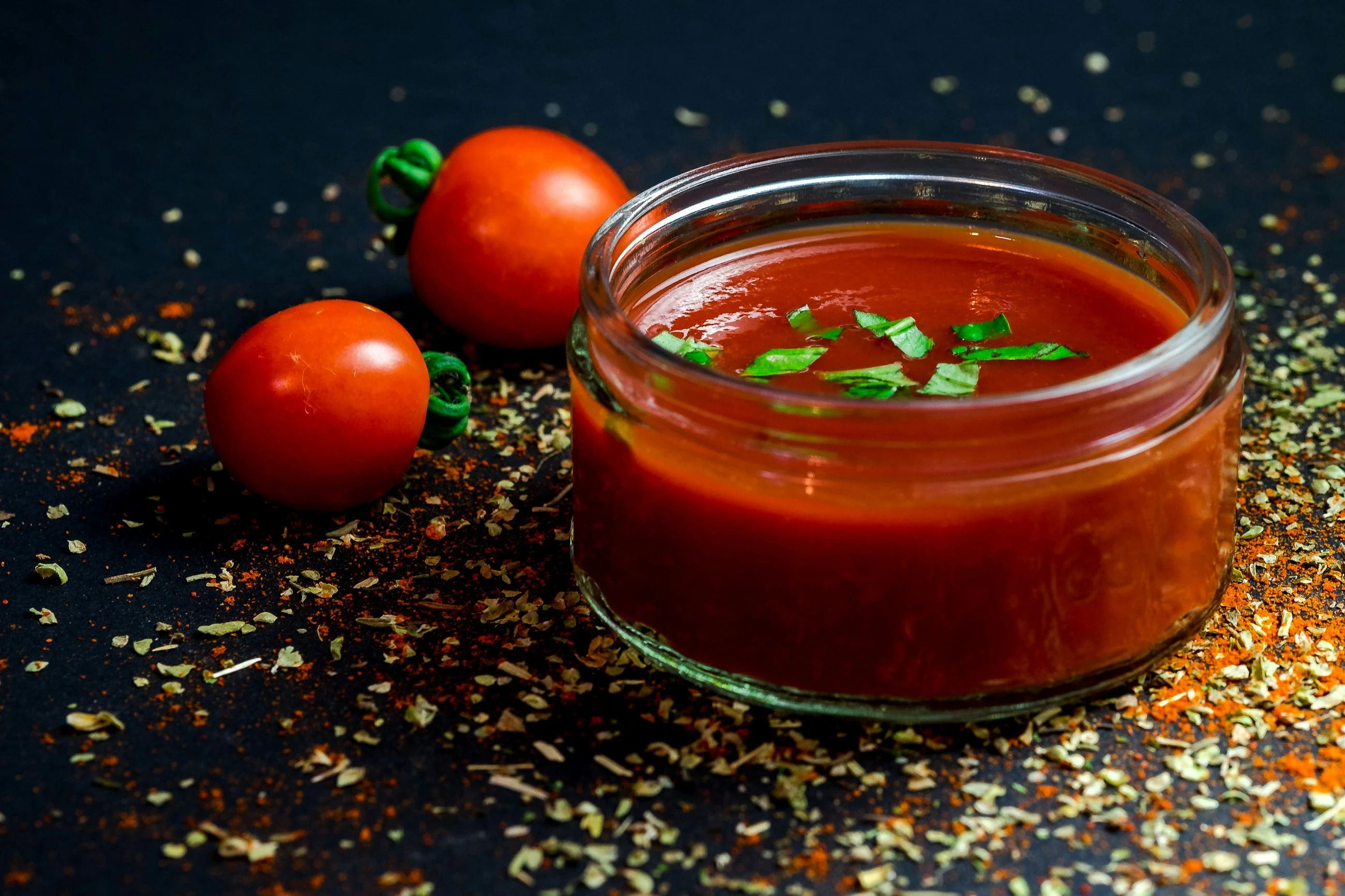
Producing high-grade tomato puree and paste—ranging from 28-30% Brix Cold Break to 36-38% Brix Hot Break—imposes extreme thermal and fluid dynamics demands due to severe apparent viscosity, high surface burn-on fouling risks, and dense insoluble solids. Lecoqimex delivers purpose-built processing solutions comprising SonFlow Free-Flow fouling-resistant plate heat exchangers, forced-circulation vacuum evaporators with Thermal Vapor Recompression (TVR), and wear-resistant DanPumps S-FP sanitary centrifugal pumps.

Tomato Paste & Puree Processing: Evaporation & Thermal Treatment

Bostwick Consistency Control, Lycopene Protection & Steam Efficiency

  • Instantaneous Hot Break heating (90°C - 95°C) deactivating pectinase enzymes to preserve Bostwick consistency
  • SonFlow Free-Flow plate geometry eliminating stagnation zones and preventing product scorching
  • Forced-circulation evaporation skids with TVR recompression reducing primary steam consumption by 60%
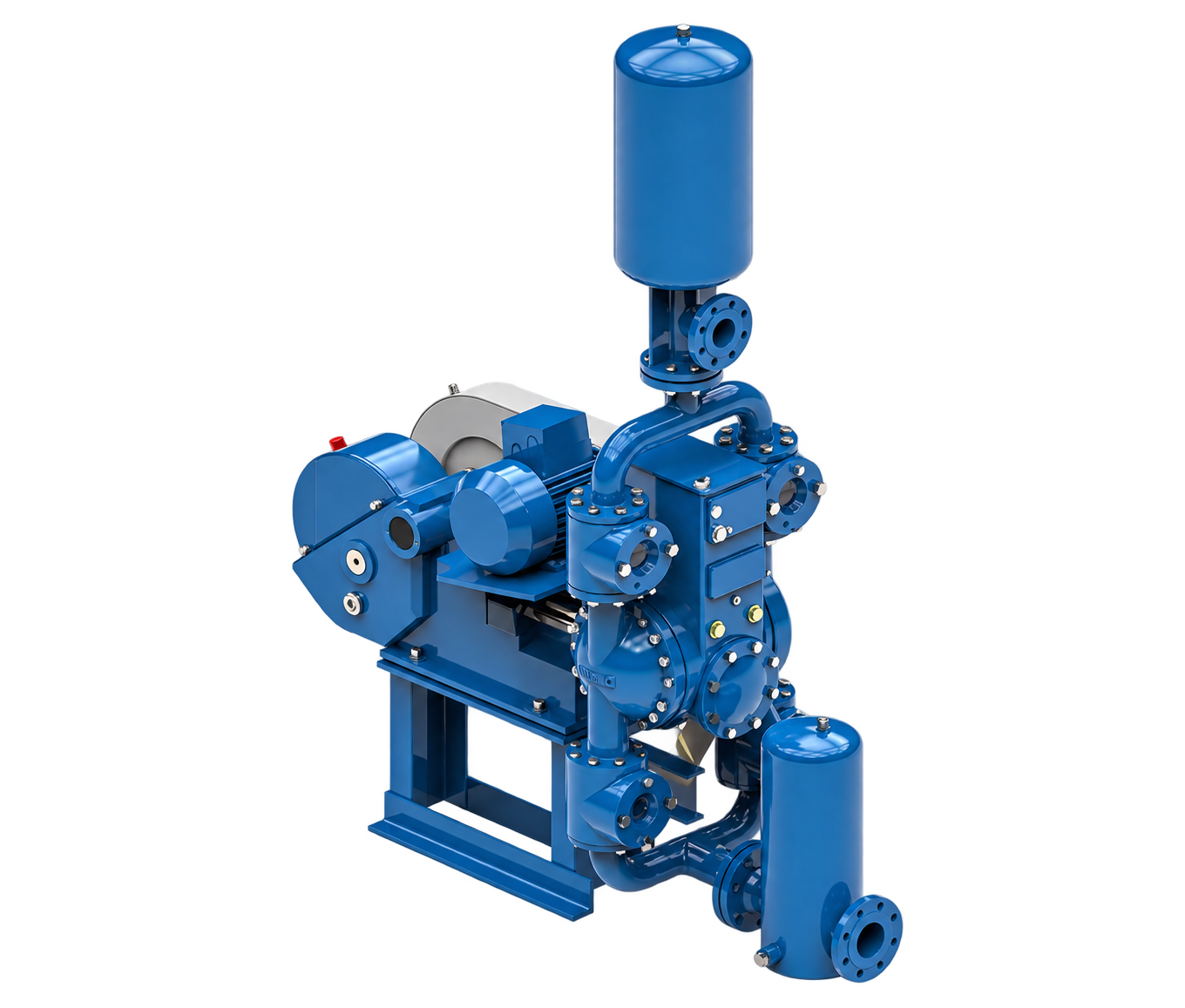
  • Heavy-duty DanPumps S-FP sanitary pumps delivering reliable low-shear transfer of abrasive paste

Bostwick consistency and the intense red hue of natural lycopene carotenoids define the commercial value of tomato concentrates. If initial thermal maceration fails to reach target temperatures instantly, native polygalacturonase rapidly cleaves pectin chains, causing phase separation and watery texture. SonFlow Free-Flow thermal exchangers deliver ultra-fast heat transfer under uniform flow velocity profiles, keeping plate walls clean and ensuring dense, homogenous paste meeting strict export standards.

1. Hot Break vs Cold Break Thermal Dynamics in Tomato Processing

Industrial tomato processing represents an exacting science at the intersection of enzyme inactivation kinetics and pectin polysaccharide rheology.

The textural yield and Bostwick consistency of finished tomato products are determined in the opening seconds of thermal maceration. Rapid heating above 90°C inside SonFlow Free-Flow exchangers permanently deactivates pectolytic enzymes, locking in high viscosity. Every wetted component must satisfy uncompromising hygienic criteria and withstand aggressive thermal fouling tendencies.
1. Hot Break vs Cold Break Thermal Dynamics in Tomato Processing
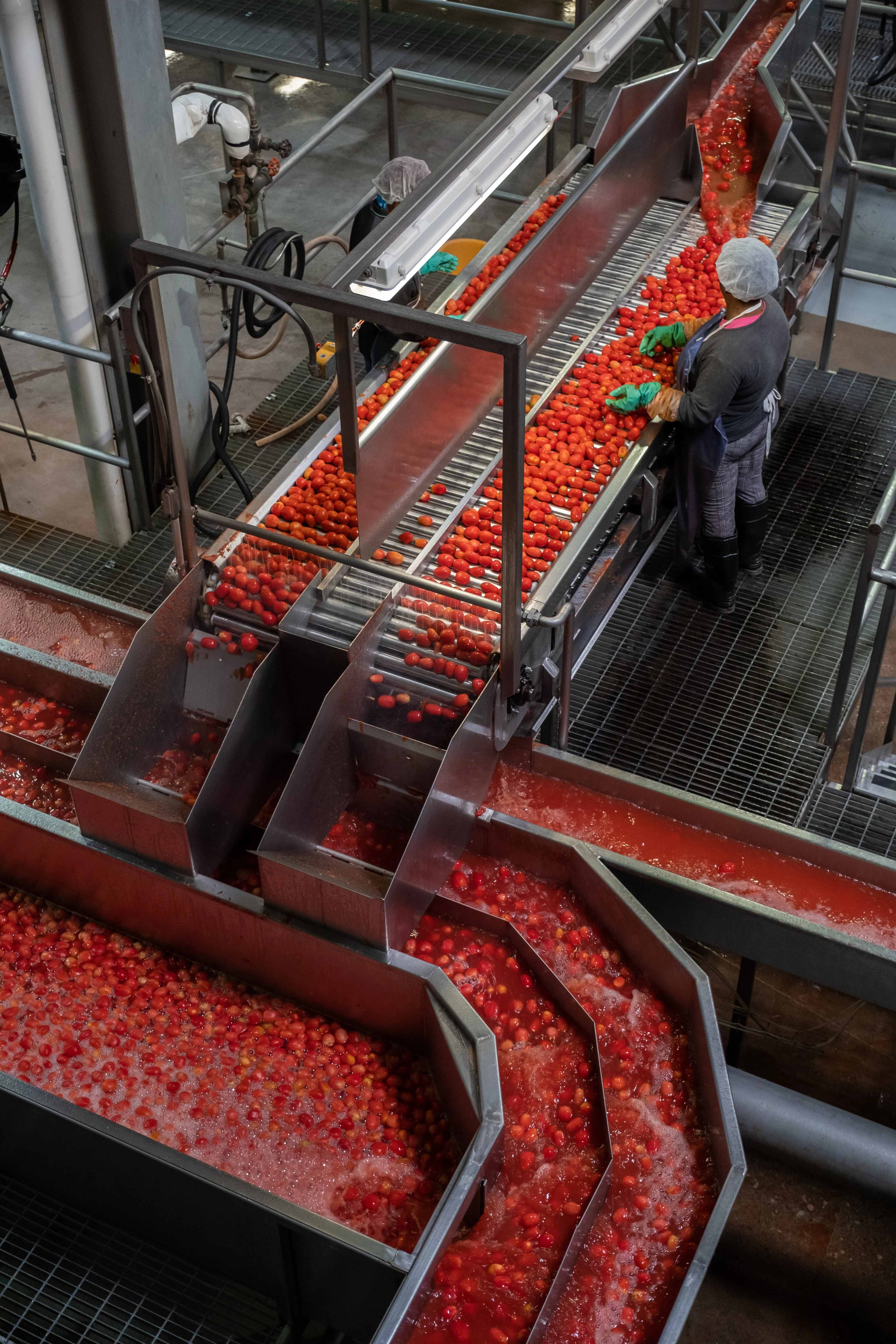
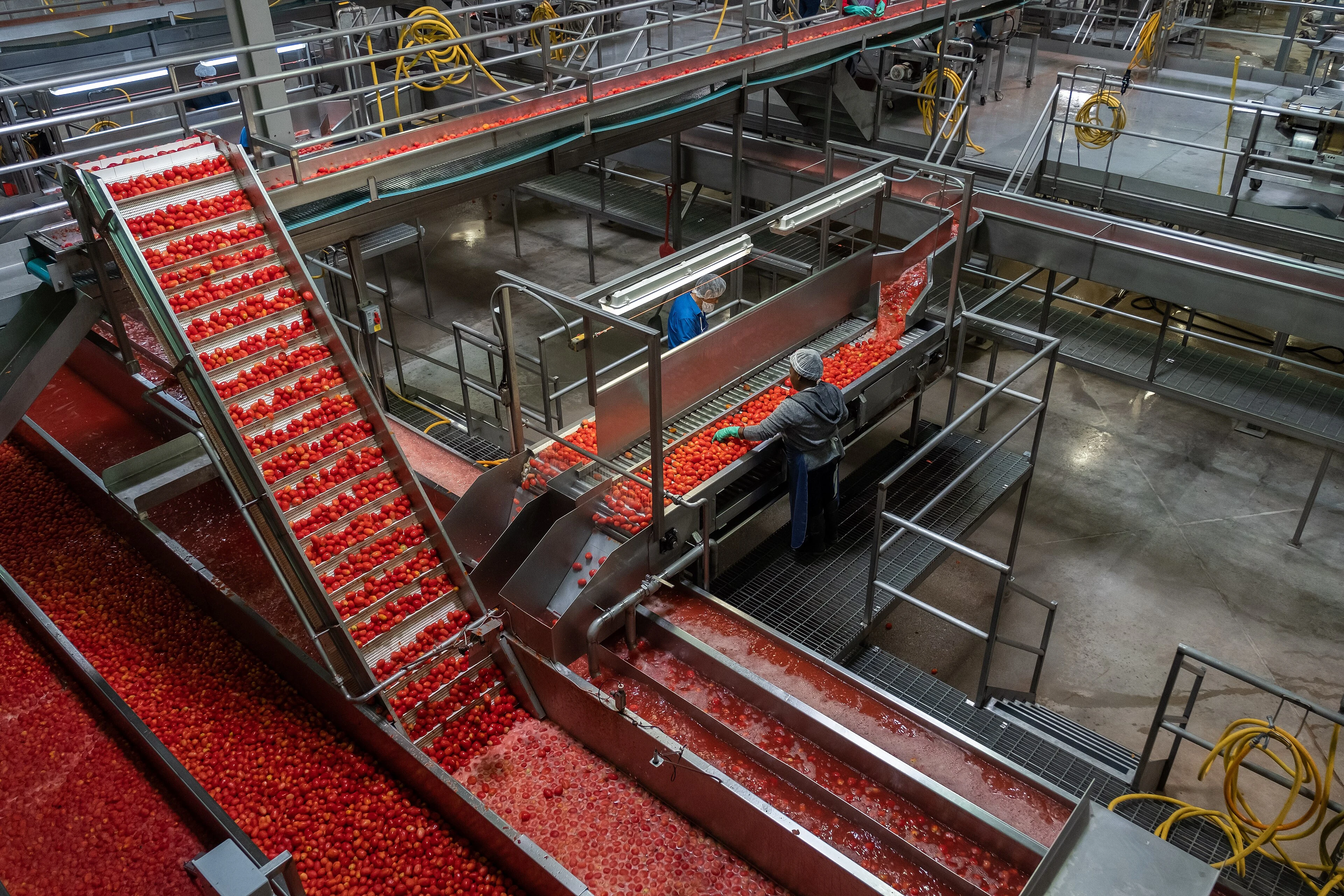
Fig 1.1: Raw tomato receiving flumes, sorting conveyors, and chopping maceration units.

2. The Core Tomato Processing Sequence

Export-grade tomato paste processing operates continuously across two integrated hygienic stages:

Stage 01

Intake, Break Heating & Refining

  • 01. Flume Intake & Washing: Hydrodynamic conveying flumes, air bubbling, and manual optical inspection.
  • 02. Mechanical Chopping: Rotary chopper macerating whole tomatoes into uniform crushed slurry.
  • 03. Flash Break Heating: Immediate heating to 90°C (Hot Break) or 65°C (Cold Break) via SonFlow.
  • 04. Two-Stage Refining: Rotary pulper and refiner removing peel fragments, seeds, and stems.
  • 05. Raw Juice Holding Buffer: Surge tank holding refined tomato juice at 5-6° Brix.
  • 06. Enthalpy Recovery: Condensate heat exchangers preheating incoming refined juice.
Stage 02

Forced Evaporation, Sterilization & Packaging

  • 07. Forced Circulation Evaporation: Concentrating juice from 5° to 28-30° or 36-38° Brix at 55°C.
  • 08. Thermal Vapor Recompression (TVR): Supersonic steam recompression slashing energy use by 60%.
  • 09. Flash Sterilization: Ultra-rapid heating to 115°C in SonFlow Free-Flow thermal skids.
  • 10. Aseptic Flash Cooling: Chilling product stream down to 35°C ahead of filling headers.
  • 11. Aseptic Bag-in-Drum Filling: Packaging into multilayer barrier bags inside 220-liter drums.
  • 12. Automated CIP Hygiene: High-velocity chemical descaling across all product contact loops.
2. The Core Tomato Processing Sequence
Fig 2.1: Multi-effect forced-circulation vacuum evaporator skid equipped with Thermal Vapor Recompression.

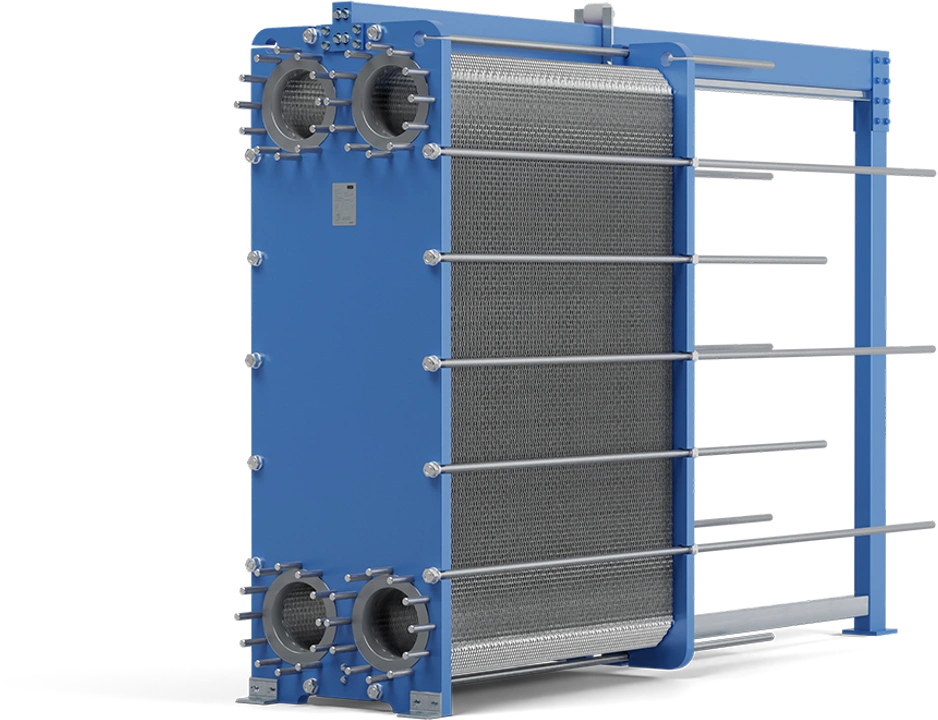
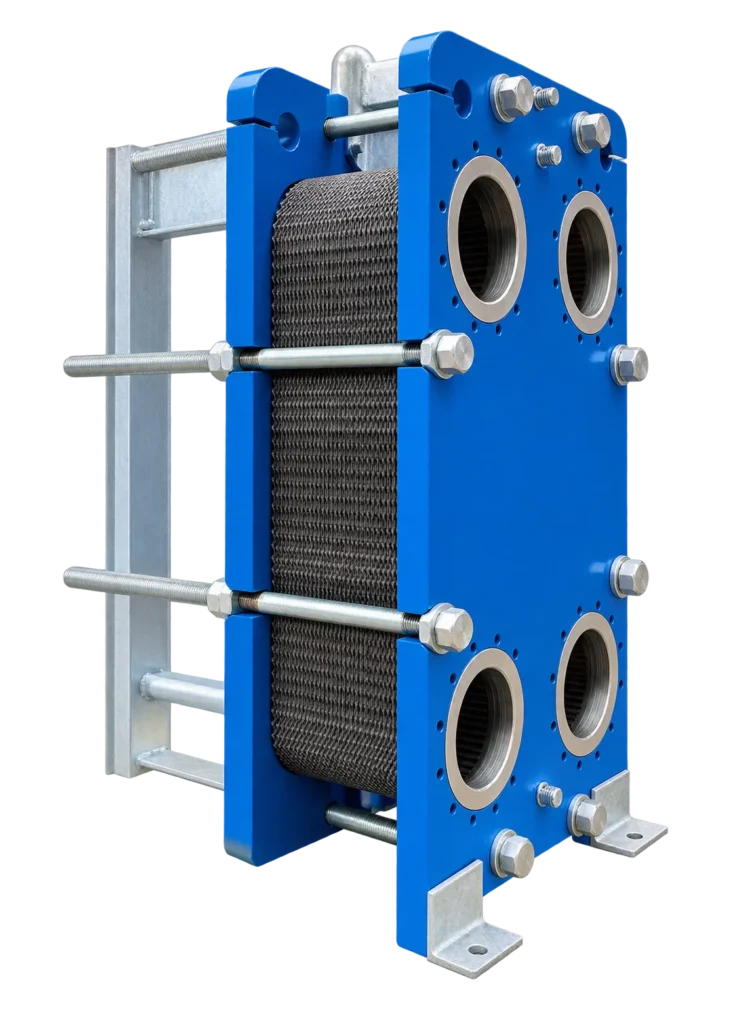
3. SonFlow Free-Flow Technology: Anti-Fouling Thermal Execution

Across Break heating and aseptic sterilization stages, SonFlow Free-Flow plates mitigate product scorching:

01 / Wide Open-Channel Design

Generous inter-plate clearances permit dense fibrous paste to transit smoothly without localized pressure spikes or stagnation blockages.

02 / Non-Scorching Wall Dynamics

Electropolished AISI 316L surfaces powered by gentle hot water loops eliminate hot spots, completely preventing carmelized fouling while safeguarding lycopene color.

3. SonFlow Free-Flow Technology: Anti-Fouling Thermal Execution
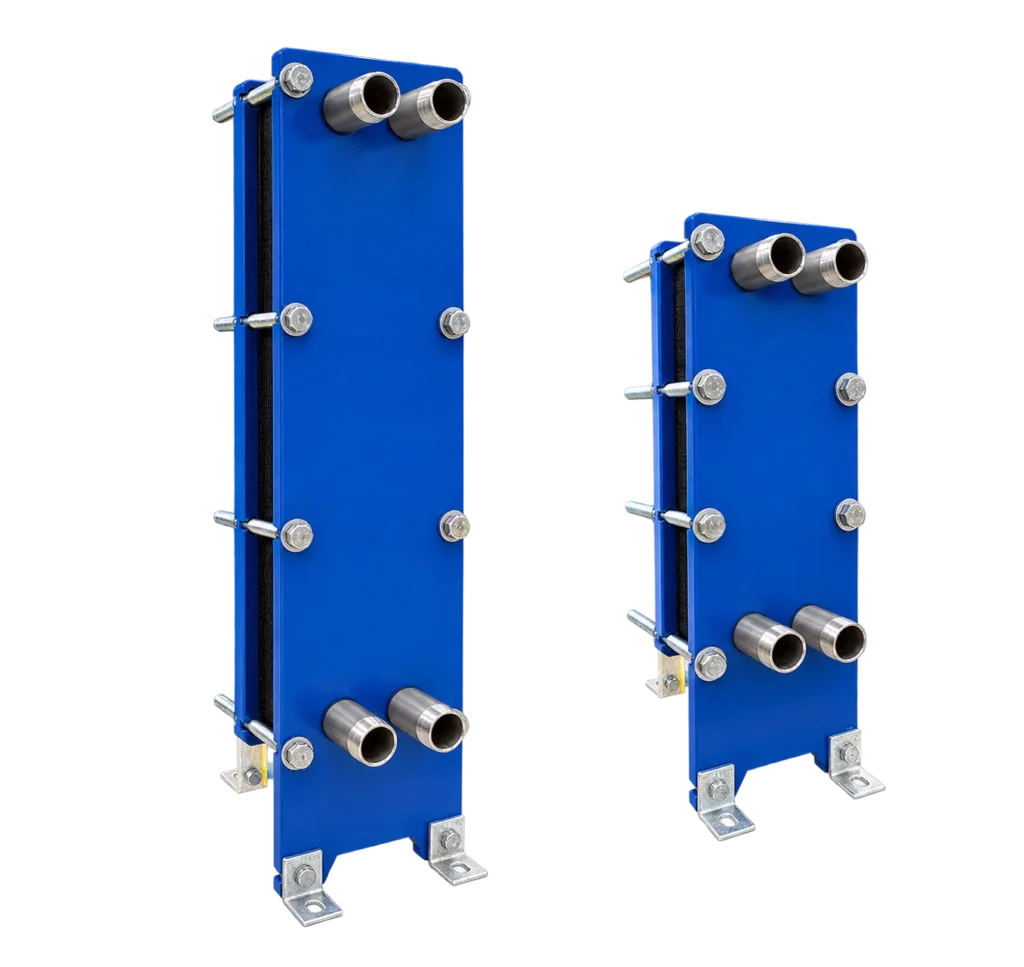
Fig 3.1: SonFlow Free-Flow plate heat exchanger engineered for extreme viscosity and high-fouling fluids.

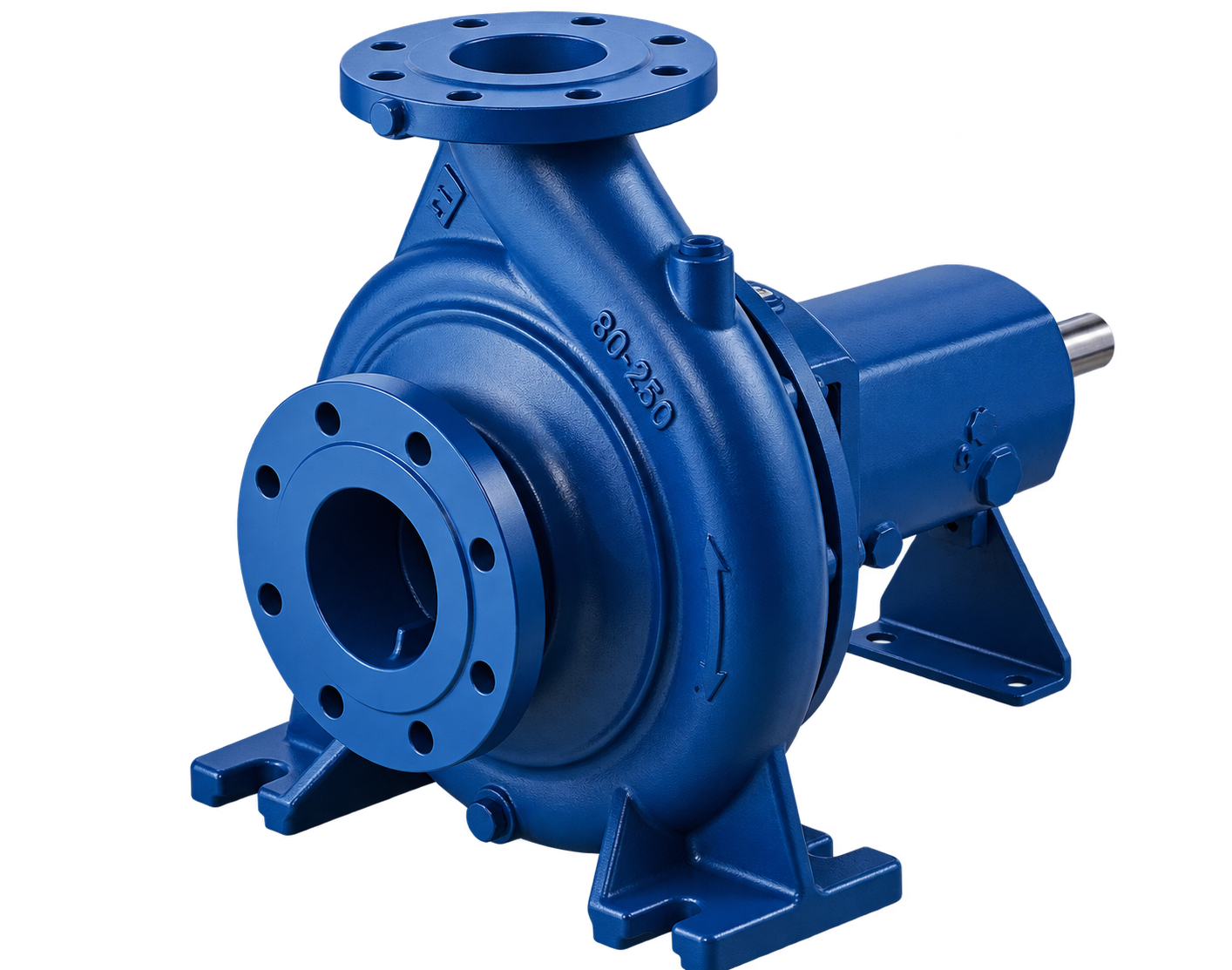
4. High-Solids Fluid Transfer: Heavy-Duty DanPumps S-FP

Concentrated tomato paste with high insoluble solids demands robust mechanical pump engineering:

  • Heavy-duty investment cast AISI 316L casings provide exceptional resistance against abrasive wear.
  • Solid Silicon Carbide (SiC/SiC) mechanical seals with continuous sterile flushing eliminate seal face scoring from seeds and fibers.
  • VFD-controlled motors synchronize product delivery rates dynamically with evaporator recirculation rates.
4. High-Solids Fluid Transfer: Heavy-Duty DanPumps S-FP
Fig 4.1: DanPumps S-FP sanitary centrifugal pump with flushed double mechanical seals for abrasive paste duties.

Questions and answers about beer production solutions & equipment

What is the core engineering distinction between Hot Break and Cold Break tomato processing?

In the Hot Break sequence, chopped tomatoes are instantly flash-heated via SonFlow exchangers to 90°C - 95°C to immediately destroy pectolytic enzymes (PME and polygalacturonase). Natural pectin remains intact, yielding high-viscosity paste (low Bostwick rating) ideal for ketchup. In Cold Break lines, chopping takes place at 65°C - 70°C, permitting controlled enzymatic pectin breakdown to retain vivid red lycopene coloration and fresh aroma, perfectly suited for pizza sauces and drinkable juices.

How does SonFlow Free-Flow thermal technology overcome severe wall scorching in tomato paste?

Tomato paste exhibits low thermal conductivity and pronounced pseudoplastic shear-thinning behavior. Contact with high-temperature surfaces leads to rapid carbonization and burnt fouling films. SonFlow Free-Flow plates utilize unobstructed wide-gap channels with low logarithmic mean temperature approaches (LMTD < 3°C) powered by recirculated hot water rather than high-pressure raw steam. Controlled cross-flow velocities exceeding 1.5 m/s provide continuous hydraulic scrubbing that prevents wall adhesion.

How does multi-effect forced-circulation vacuum evaporation optimize plant steam economy?

Lecoqimex evaporators integrate Thermal Vapor Recompression (TVR) technology. Secondary steam evaporated from the first effect is recompressed via supersonic thermo-compressor ejectors and mixed with live boiler steam to power subsequent effects. Operating under deep vacuum (-0.9 bar), the boiling point drops to 45°C - 55°C, preserving heat-labile lycopene and ascorbic acid while slashing live boiler steam usage by 60%.

How does the DanPumps S-FP pump resist the abrasive wear of tomato seeds and fibers?

Suspended tomato seeds and tough vascular fibers create significant abrasive wear at high flow rates. DanPumps S-FP pumps feature heavy-gauge investment cast AISI 316L stainless steel with hydraulically radiused semi-open impellers mitigating micro-abrasion. Mechanical seal faces are engineered from solid Silicon Carbide (SiC/SiC), providing unmatched diamond-like hardness against abrasive solids and aggressive organic fruit acids.

Technical Brochures, Manuals & Certificates

Discuss Your Tomato Paste & Puree Processing Application

From Hot Break flash heating and TVR multi-effect evaporators to aseptic flash cooling and Bag-in-Drum packaging skids, Lecoqimex engineering specialists assess your processing parameters within 24 hours.

Click to browse or drag files here
PDF, CAD, 3D STEP, Office, Images (Max 50MB)

Request for Quote Submitted Successfully!

Your technical dossier has been registered into the Lecoqimex engineering system.

B2B INQUIRY SLIP LIE-XXXX
LECOQIMEX
Integrated Industrial Solutions & OEM Spares
ELECTRONIC INQUIRY SLIP / SPEC RECORD
Ticket: LIE-XXXX
I. CLIENT & COMPANY INFORMATION
Full Name: --
Business Email: --
Phone Number: --
Company Name: --
Country / Location: --
II. SPECIFICATIONS & SCOPE
Technology Brand: --
Product / Model: --
Industry: --
Attached Documents: --
Current Status: Inquiry Received & Under Review
III. MESSAGE / REQUIREMENTS
--

How We Deliver Your Solution

From initial parameters to verified commissioning, our engineering team ensures optimal thermal performance and seamless integration.

01

Parameter Assessment

We analyze your specific flow rates, temperature profiles, wort gravity, and cellar cooling requirements.

02

Thermodynamic Modeling & CAD

Application engineers run thermodynamic simulations to size heat exchangers, select materials, and prepare 2D and 3D CAD files for your plant layout.

03

OEM Optimization & Proposal

You receive a detailed technical proposal with verified performance guarantees, energy recovery estimates, and transparent pricing.

04

Commissioning & Support

We provide on-site installation guidance, commissioning validation, full sanitary compliance documentation, and ongoing spare parts availability.

Need urgent sizing assistance? Reach our engineering team at +33 7 82 85 35 55 or services@lecoqimex.com

Link copied!