
Liquid Egg Processing: Gentle Pasteurization & Separation

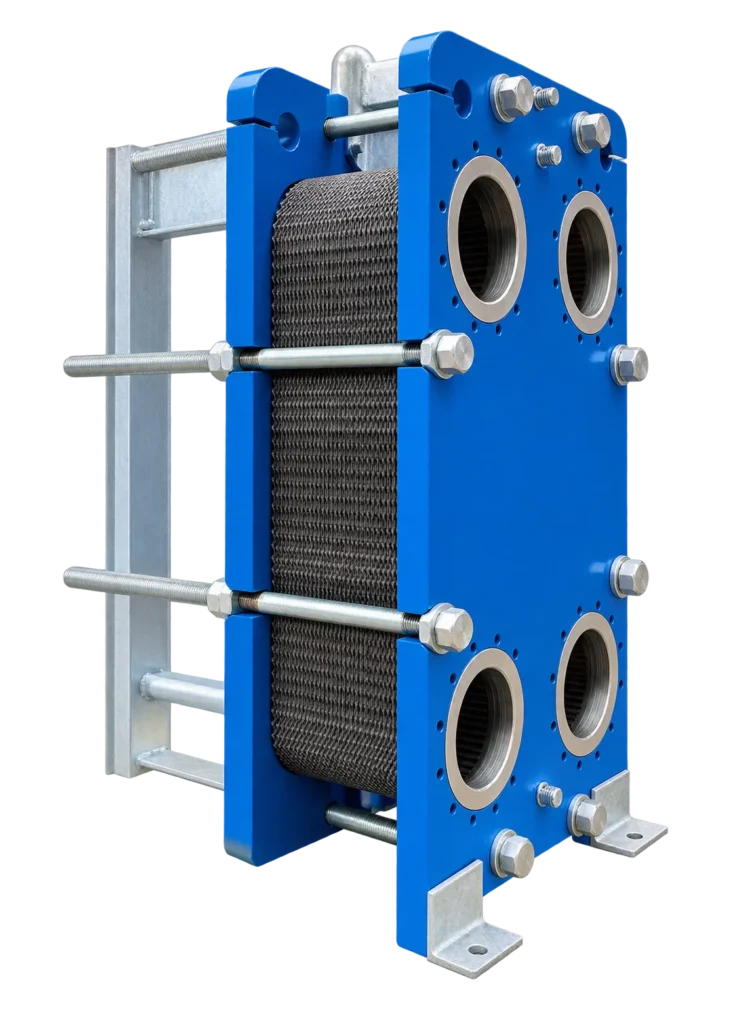
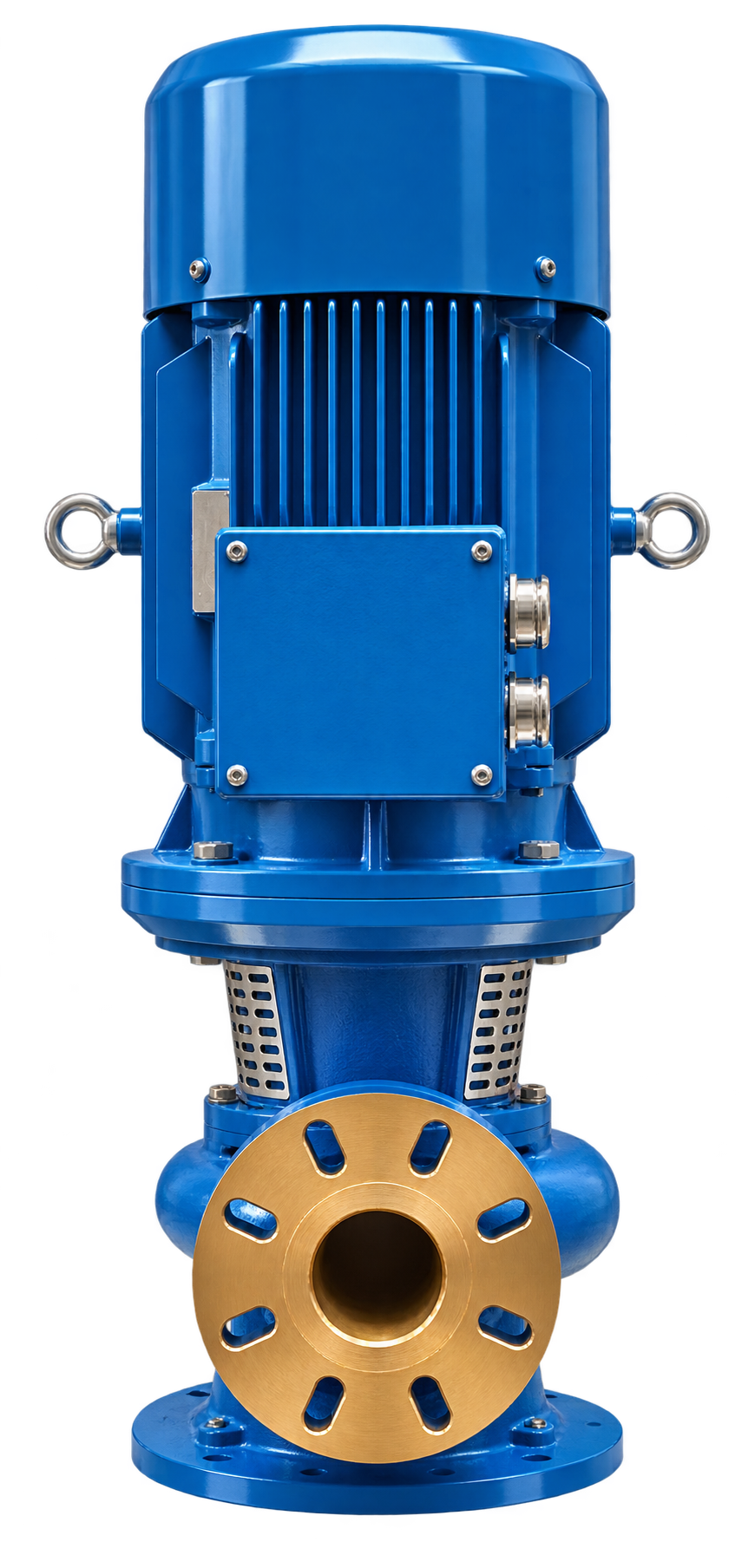
Industrial liquid egg processing (whole egg, yolk, and albumen fractions) represents one of the narrowest thermal processing windows in food engineering. Native egg proteins denature and coagulate rapidly under minimal temperature excursions: egg whites coagulate at 57°C - 58°C, while yolk and whole egg mixtures thicken above 64°C - 65°C. Lecoqimex delivers certified SonFlow Sanitary plate heat exchangers engineered with minimal delta-T surface profiles, non-shearing DanPumps S-FP sanitary pumps preventing foam creation, and automated validated CIP sanitization systems.

Liquid Egg Processing: Gentle Pasteurization & Separation

Complete Salmonella Eradication & Native Protein Functional Integrity

  • HTST pasteurization control within ±0.2°C tolerance, preventing localized protein burn-on and coagulation
  • Full retention of emulsifying properties in yolk and whipping/foaming capacity in albumen fractions
  • Low-shear DanPumps S-FP sanitary pumps preventing air entrainment, foaming, and phase separation
  • Effortless CIP cleaning validation and rapid plate pack inspection meeting stringent 3-A and EHEDG criteria

The paramount challenge in liquid egg pasteurization is achieving validated Salmonella reduction log-kills without triggering protein denaturation that fouls heat exchange channels. SonFlow Sanitary plate heat exchangers accomplish this via optimized port geometries and uniform plate stream distribution that operate with ultra-tight approach temperatures between hot water utility and product, eliminating localized hot spots that cause scorching.

1. Thermal Kinetics & Pasteurization Windows for Egg Fractions

Commercial liquid egg is an exceptional nutritional ingredient characterized by delicate macromolecular protein matrices divided into whole egg, yolk, and albumen fractions.

Each fraction possesses distinct rheological and thermal sensitivities. Heat processing requires absolute equilibrium between validated pasteurization log-reductions of Salmonella enteritidis and preserving vital functional traits: foaming overrun in bakery, emulsification power in mayonnaise, and gel strength in prepared meals. Advanced SonFlow sanitary heat exchangers are engineered specifically to conquer this ultra-tight thermal challenge.

1. Thermal Kinetics & Pasteurization Windows for Egg Fractions
Fig 1.1: Hygienic egg breaking, fraction separation, and chilled buffer storage prior to pasteurization.

2. The Continuous Liquid Egg Processing Sequence

Standard industrial continuous liquid egg processing follows an integrated sanitary sequence:

Stage 01

Breaking, Fractionation & Filtration

  • 01. Washing & Candling: Shell eggs are washed, disinfected, dried, and candled to remove defective eggs.
  • 02. Automated Breaking: High-speed breakers crack shells and separate yolk and albumen cleanly.
  • 03. Micro-Filtration: In-line sanitary strainers remove microscopic shell fragments and chalazae threads.
  • 04. Chilled Buffer Storage: Filtered egg fractions chill instantly to 4°C inside jacketed stainless tanks.
Stage 02

HTST Pasteurization, Chilling & Aseptic Packaging

  • 05. Regenerative Preheating: Cross-exchanging heat with outgoing treated egg to maximize thermal efficiency.
  • 06. SonFlow Sanitary HTST: Heating with tight precision to 64°C - 65°C across 2.5 - 3.5 min validated holding coils.
  • 07. Flow Diversion Protection: Automated sanitary divert valves return sub-temperature product to raw tanks.
  • 08. Deep Chill to 2°C: Rapid chilling against chilled water/glycol circuits locks in functional structure.
  • 09. Aseptic Bag-in-Box Filling: Aseptic packaging into refrigerated bulk totes or Bag-in-Box maintaining cold chains.
2. The Continuous Liquid Egg Processing Sequence
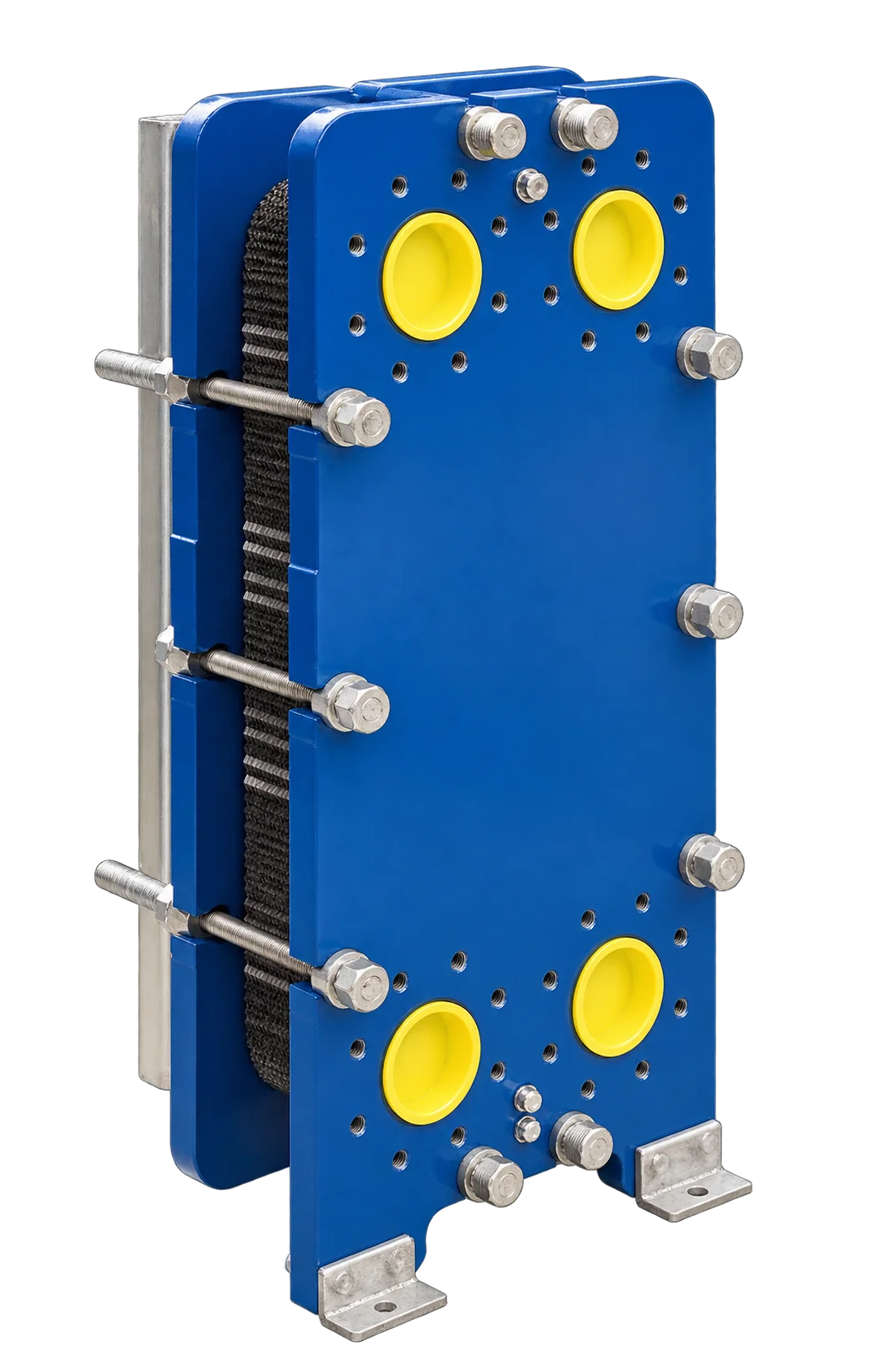
Fig 1.2: SonFlow Sanitary plate pasteurizer train and validated holding tube array in a liquid egg processing facility.

3. Sanitary Equipment Portfolio: SonFlow & DanPumps

The sanitary equipment portfolio supplied by Lecoqimex is engineered around the fragile rheology of egg products:

SonFlow Sanitary Plate Heat Exchangers

3-A and EHEDG certified. Glue-free clip-on FDA-compliant elastomers. Uniform channel distribution eliminates dead zones and accommodates high operational pressure safely.

DanPumps S-FP Sanitary Centrifugal Pumps

Electropolished AISI 316L stainless steel (Ra < 0.8 µm). Semi-open low-shear impellers protect protein gels from mechanical shear and eliminate foaming.

Sanitary Flow Diversion Valve Manifolds

Ultra-rapid actuation under 0.5s diverting sub-temperature egg back to buffer tanks, ensuring 100% validated microbial safety.

Closed-Loop Hot Water Preparation Skids

Supplying steady hot water circuits at minimal approach temperatures, eliminating protein scorch and extending production uptime.

3. Sanitary Equipment Portfolio: SonFlow & DanPumps
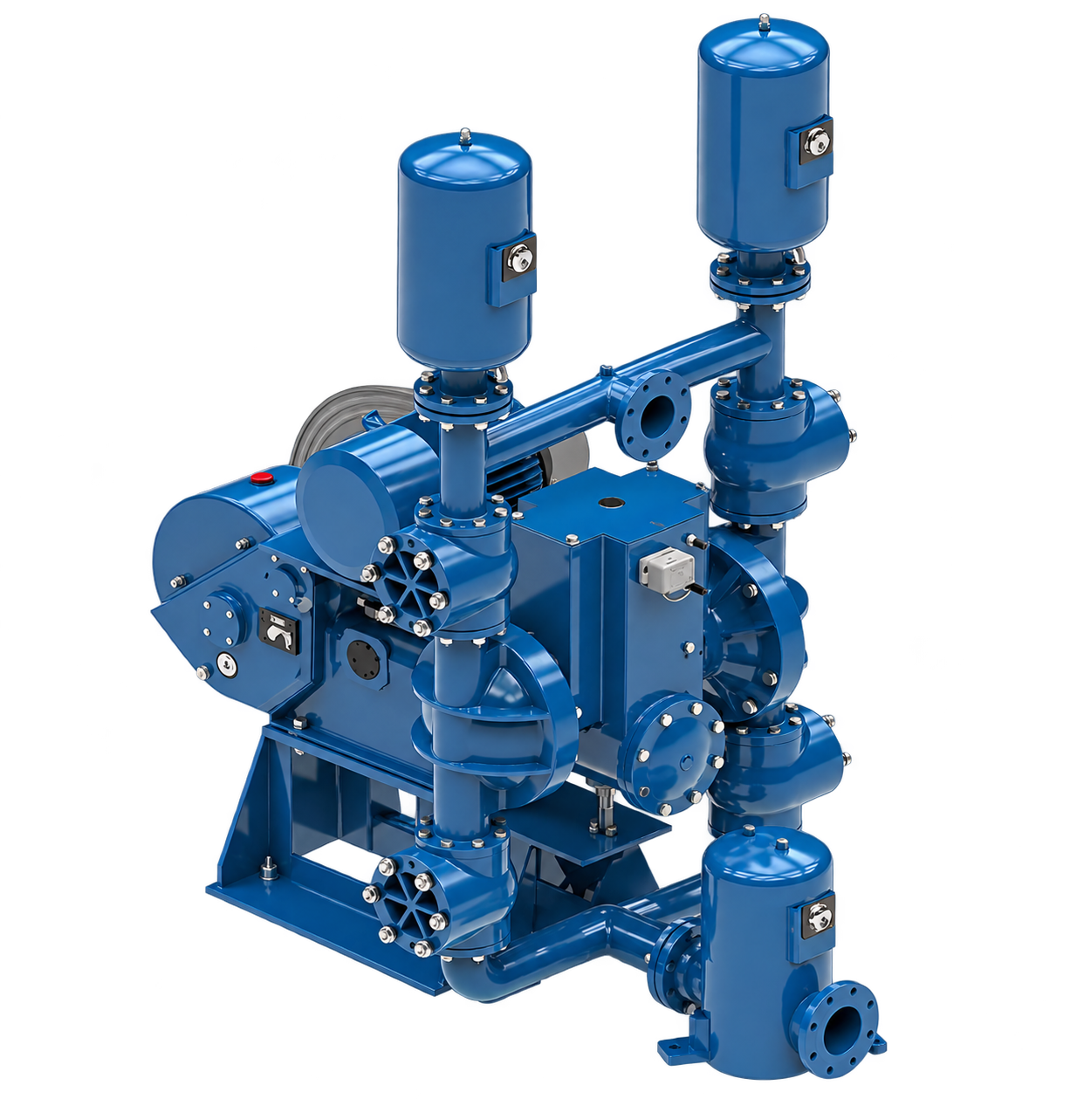
Fig 1.3: DanPumps S-FP sanitary centrifugal pump skid equipped with flushed double mechanical seals in an aseptic egg line.

Questions and answers about beer production solutions & equipment

Why does egg white pasteurization require vastly different parameters than whole egg and yolk?

Egg white (albumen) consists primarily of heat-sensitive proteins such as ovalbumin and conalbumin, which denature irreversibly above 57°C. Consequently, albumen pasteurization operates at milder temperatures (55°C - 57°C) with longer retention holding times or gentle thermal stabilizers. Conversely, whole egg and lipid-rich yolk fractions withstand higher thermal energy, permitting validated pasteurization within 64°C - 68°C.

How do SonFlow Sanitary plate heat exchangers prevent protein burn-on and fouling?

SonFlow employs specialized sanitary corrugation patterns engineered for uniform hydraulic pressure distribution, eliminating stagnant stagnation zones where egg solids accumulate. Furthermore, closed-loop circulating hot water systems operate at ultra-narrow delta-T approaches (typically within 1°C - 1.5°C above product target), preventing plate surface skin overheating and extending continuous run hours.

Why is air entrainment and foaming detrimental during liquid egg pumping?

When liquid egg undergoes intense mechanical shear, air entrains rapidly into stable foam. Air bubbles act as thermal insulators that distort inline RTD temperature sensors inside pasteurizers, degrade heat transfer coefficients, and accelerate lipid oxidation in egg yolk. DanPumps S-FP sanitary pumps feature gentle semi-open impellers and optimized hydraulic velocities that transfer viscous egg liquids smoothly without foaming.

What are the critical considerations for CIP sanitization in liquid egg facilities?

Flushing with hot water immediately after production is strictly prohibited, as water exceeding 60°C instantly bakes and hardens residual egg proteins onto internal surfaces. Validated CIP cycles begin with ambient cold water pre-flushing (20°C - 25°C) to evacuate residual egg solids, followed by warm caustic (NaOH) wash at 65°C to digest protein films, an intermediate rinse, and mild acid circulation for mineral de-scaling.

Technical Brochures, Manuals & Certificates

Brochures & Datasheets

Consult with Our Liquid Egg Process Engineering Specialists

From 3-A and EHEDG certified SonFlow plate pasteurizers to low-shear DanPumps S-FP transfer pumps, Lecoqimex engineers calculate exact thermodynamic holding profiles within 24 hours.

Click to browse or drag files here
PDF, CAD, 3D STEP, Office, Images (Max 50MB)

Request for Quote Submitted Successfully!

Your technical dossier has been registered into the Lecoqimex engineering system.

B2B INQUIRY SLIP LIE-XXXX
LECOQIMEX
Integrated Industrial Solutions & OEM Spares
ELECTRONIC INQUIRY SLIP / SPEC RECORD
Ticket: LIE-XXXX
I. CLIENT & COMPANY INFORMATION
Full Name: --
Business Email: --
Phone Number: --
Company Name: --
Country / Location: --
II. SPECIFICATIONS & SCOPE
Technology Brand: --
Product / Model: --
Industry: --
Attached Documents: --
Current Status: Inquiry Received & Under Review
III. MESSAGE / REQUIREMENTS
--

How We Deliver Your Solution

From initial parameters to verified commissioning, our engineering team ensures optimal thermal performance and seamless integration.

01

Parameter Assessment

We analyze your specific flow rates, temperature profiles, wort gravity, and cellar cooling requirements.

02

Thermodynamic Modeling & CAD

Application engineers run thermodynamic simulations to size heat exchangers, select materials, and prepare 2D and 3D CAD files for your plant layout.

03

OEM Optimization & Proposal

You receive a detailed technical proposal with verified performance guarantees, energy recovery estimates, and transparent pricing.

04

Commissioning & Support

We provide on-site installation guidance, commissioning validation, full sanitary compliance documentation, and ongoing spare parts availability.

Need urgent sizing assistance? Reach our engineering team at +33 7 82 85 35 55 or services@lecoqimex.com

Link copied!