
Seed Oil Refining: Neutralization, Bleaching & Deodorization

Refining crude vegetable oils from seed feedstocks (soybean, rapeseed, sunflower, sesame) demands uncompromising thermal and vacuum engineering: from enzymatic/acid degumming of phospholipids and caustic neutralization of free fatty acids to activated earth bleaching and high-vacuum deodorization at 240°C - 260°C. Lecoqimex delivers specialized SonFlow All-Welded plate heat exchangers, regenerative Oil-to-Oil economizers capturing 80% of process enthalpy, and heavy-duty DanPumps.

Seed Oil Refining: Neutralization, Bleaching & Deodorization

Maximized Thermal Regeneration & Stringent Edible Oil Purity

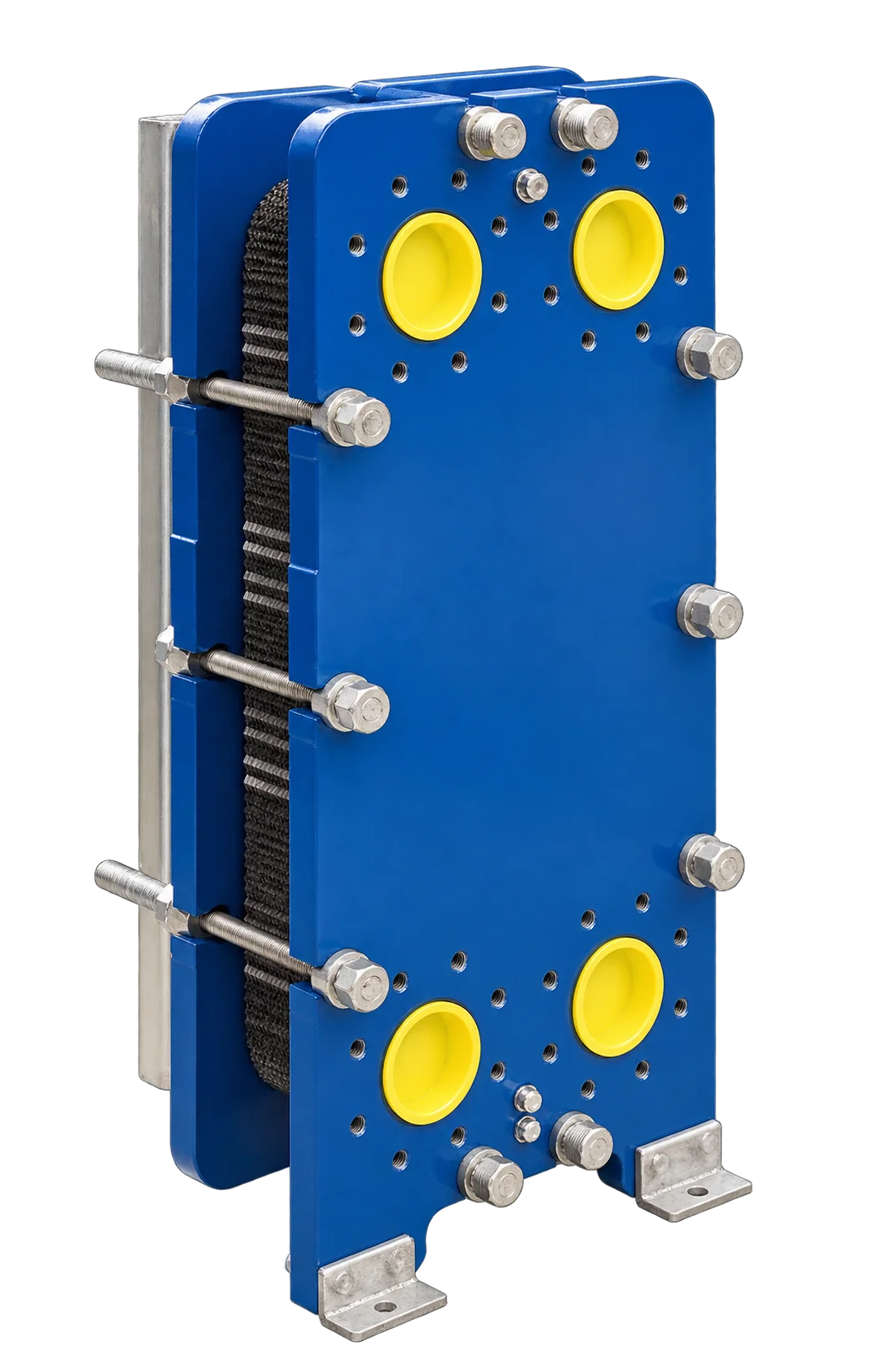
  • SonFlow regenerative Oil-to-Oil plate economizers recovering up to 80% enthalpy from deodorizer outflows
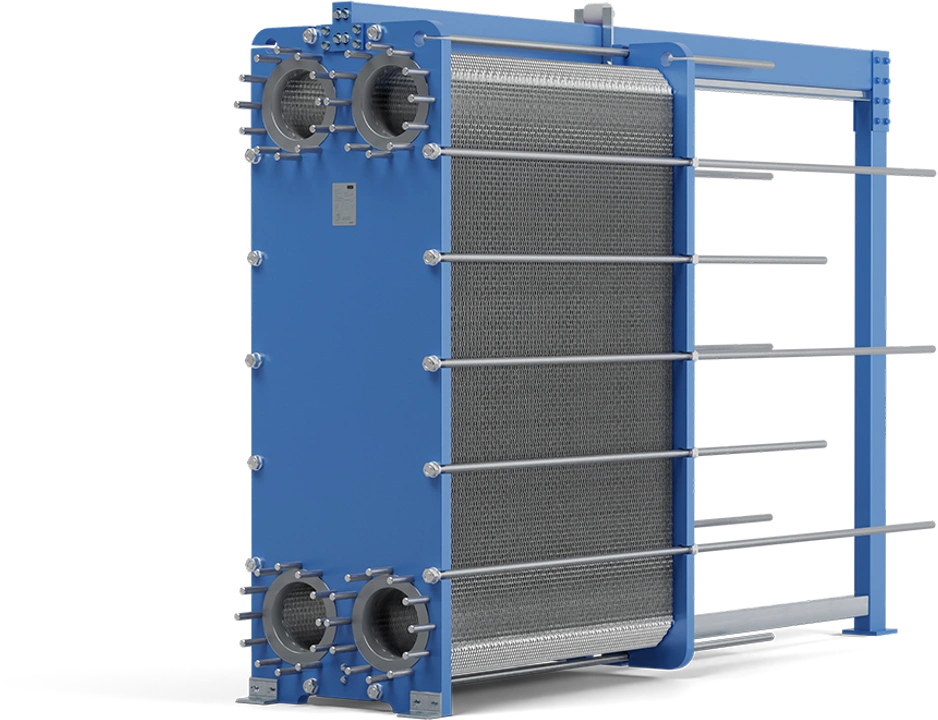
  • All-Welded plate heat exchangers safely withstanding thermal stress and temperatures up to 260°C
  • Deep stripping lowering free fatty acids below 0.05% and eradicating volatile oxidation aldehydes
  • Flushed double-seal DanPumps engineered for abrasive bleaching earth slurries and hot edible oils

Within edible oil refineries, high-vacuum deodorization at 240°C - 260°C represents the single largest energy consumer. Hot deodorized oil exiting the column holds enormous enthalpy that must be dissipated prior to storage. SonFlow Oil-to-Oil plate economizers cross-exchange this thermal energy directly with incoming cool bleached oil, slashing furnace utility heating loads by up to 80% while operating in an oxygen-free hermetic environment that eliminates oxidation risks.

1. Principles of Chemical & Physical Edible Oil Refining

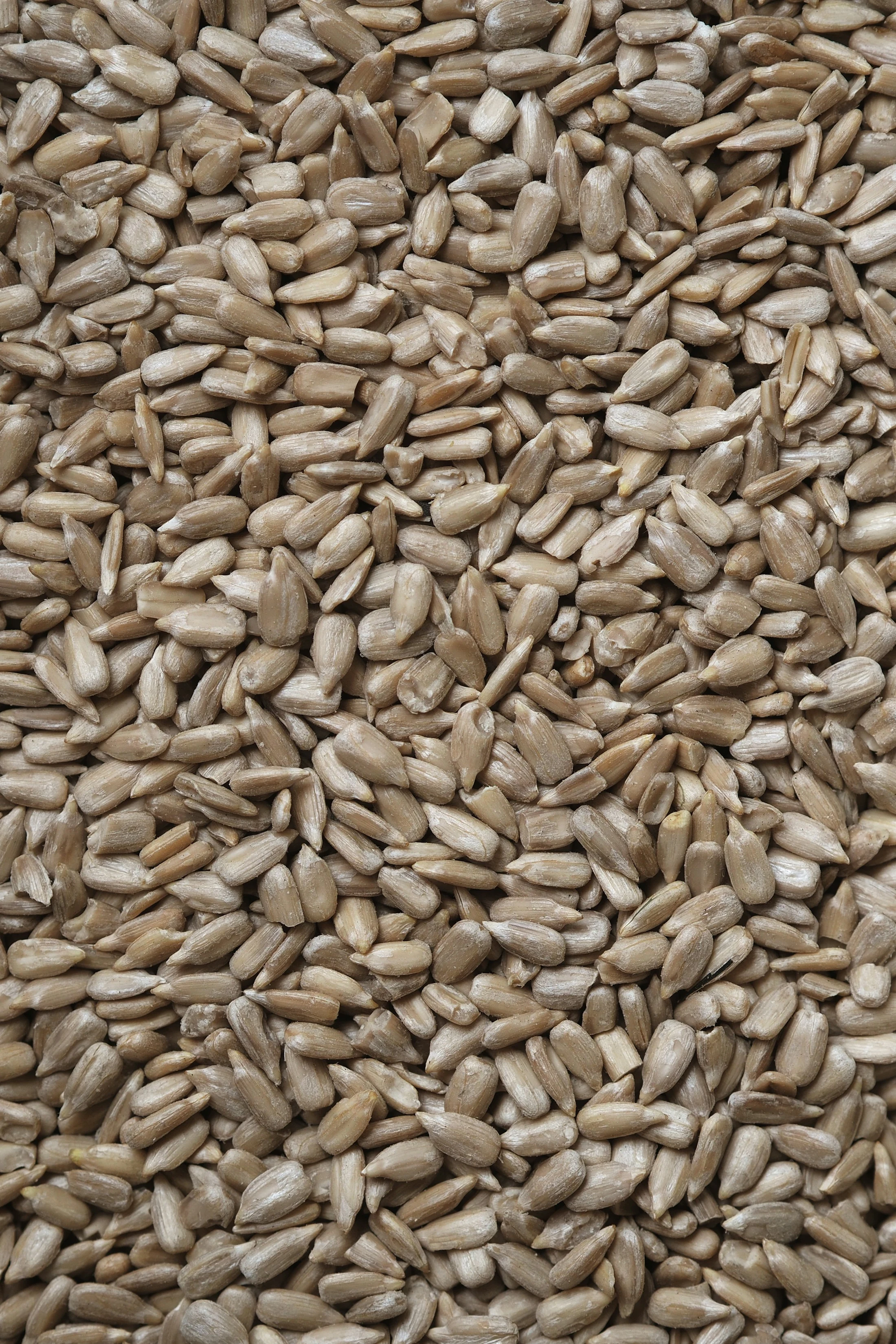
Crude vegetable oil extracted from seed crops contains non-triglyceride impurities—phospholipids, free fatty acids, trace metals, color pigments, and volatile off-flavor compounds—that must be removed to produce stable edible oils.

Depending on initial FFA concentrations, refineries deploy chemical refining (alkali neutralization) or physical refining (steam stripping under deep vacuum). Advanced SonFlow thermal exchangers form the thermodynamic core, maximizing heat recovery while protecting triglycerides from thermal degradation.
1. Principles of Chemical & Physical Edible Oil Refining
Fig 1.1: High-vacuum deodorizer column and integrated plate heat recovery economizer train in an edible oil refinery.

2. The Core Seed Oil Refining Sequence

Complete industrial seed oil refining operates across two integrated continuous sequences:

Stage 01

Degumming, Neutralization & Bleaching

  • 01. Crude Oil Preheating: Raising oil to 75°C via SonFlow plate exchangers.
  • 02. Acid Conditioning: Dosing H3PO4 to convert non-hydratable gums into hydratable forms.
  • 03. Caustic Neutralization: Dosing dilute NaOH to saponify free fatty acids into soapstock.
  • 04. Centrifugal Separation: High-speed disc centrifuges removing heavy soapstock.
  • 05. Vacuum Drying: Removing residual wash moisture in vacuum flash vessels.
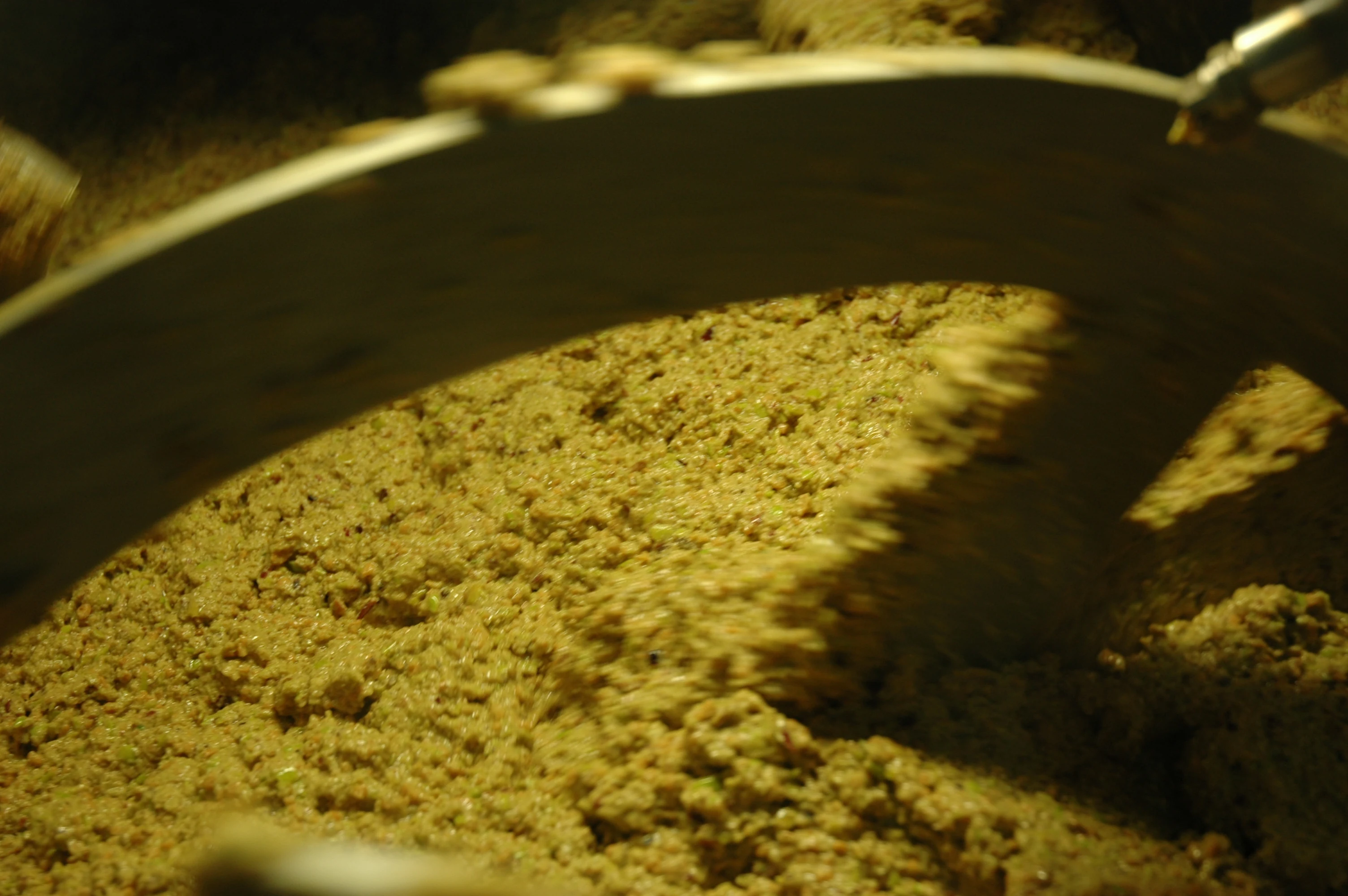
  • 06. Bleaching Earth Adsorption: Mixing 1-2% activated earth at 105°C under vacuum.
Stage 02

Leaf Filtration, Deodorization & Packaging

  • 07. Pressure Leaf Filtration: Screening out spent bleaching earth down to sub-micron clarity.
  • 08. Oil-to-Oil Regeneration: Harvesting heat to preheat bleached oil to 200°C.
  • 09. High-Vacuum Deodorization: Stripping FFAs and odor volatiles at 240°C - 260°C (2-3 mbar).
  • 10. Regenerative Cooling: Chilling finished oil to 45°C ahead of polishing filtration.
  • 11. Antioxidant Dosing: Adding tocopherols under positive nitrogen blanket protection.
  • 12. Automated PET Bottling: Packaging under inert gas overpressure to prevent shelf oxidation.
2. The Core Seed Oil Refining Sequence
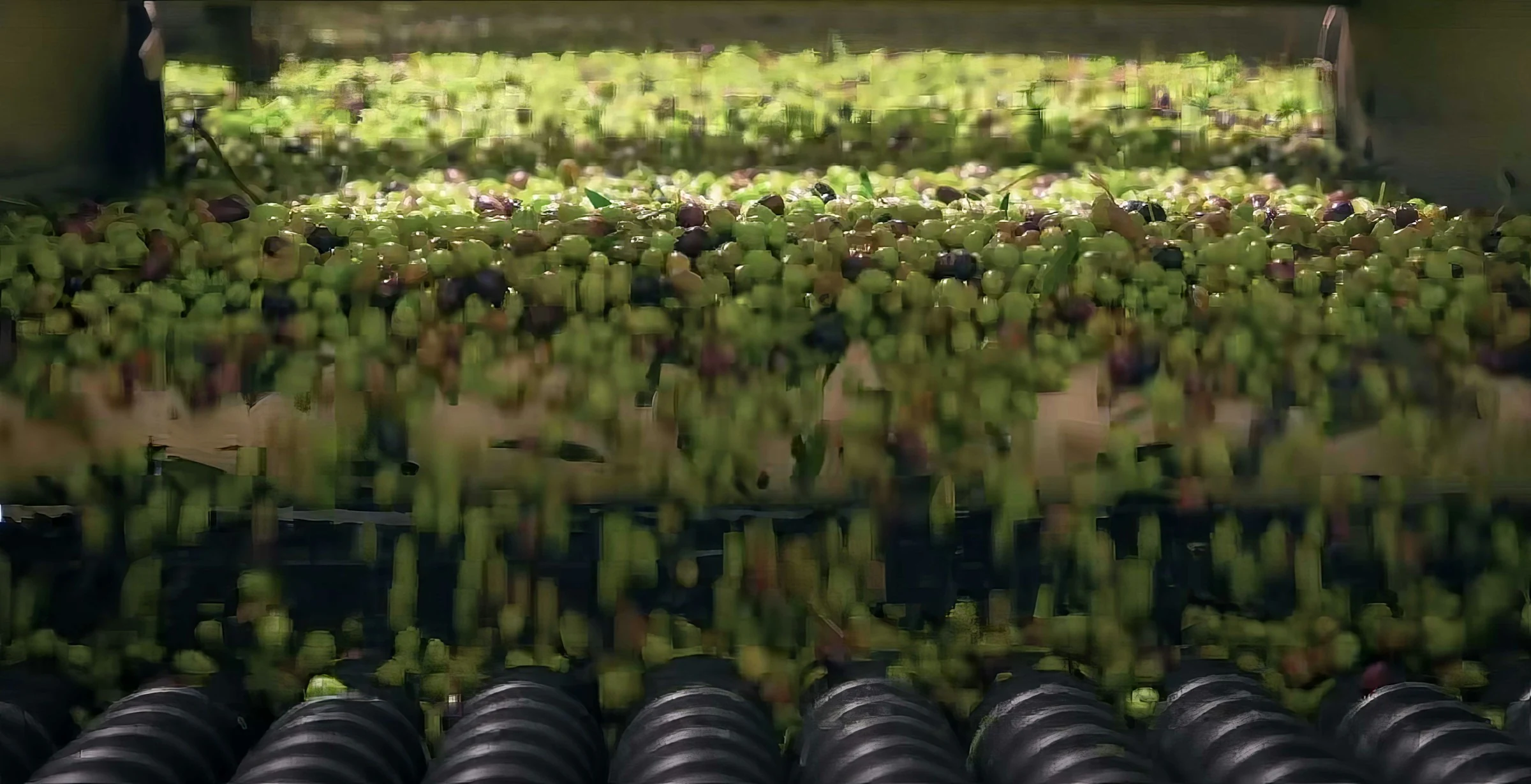
Fig 2.1: Hermetic pressure leaf filter station separating spent bleaching earth from bleached oil.

3. SonFlow High-Efficiency Oil-to-Oil Economizers

In modern deodorization trains, SonFlow regenerative heat transfer is key to plant energy optimization:

01 / 80% Utility Load Curtailment

Capturing enthalpy from 240°C deodorized product to preheat incoming bleached stock, drastically cutting thermal oil boiler fuel requirements.

02 / Anti-Carbonization Plate Profiles

Intense turbulent boundary layers prevent stagnant thermal film buildup, eliminating polymerization and carbonized fouling at extreme temperatures.

3. SonFlow High-Efficiency Oil-to-Oil Economizers
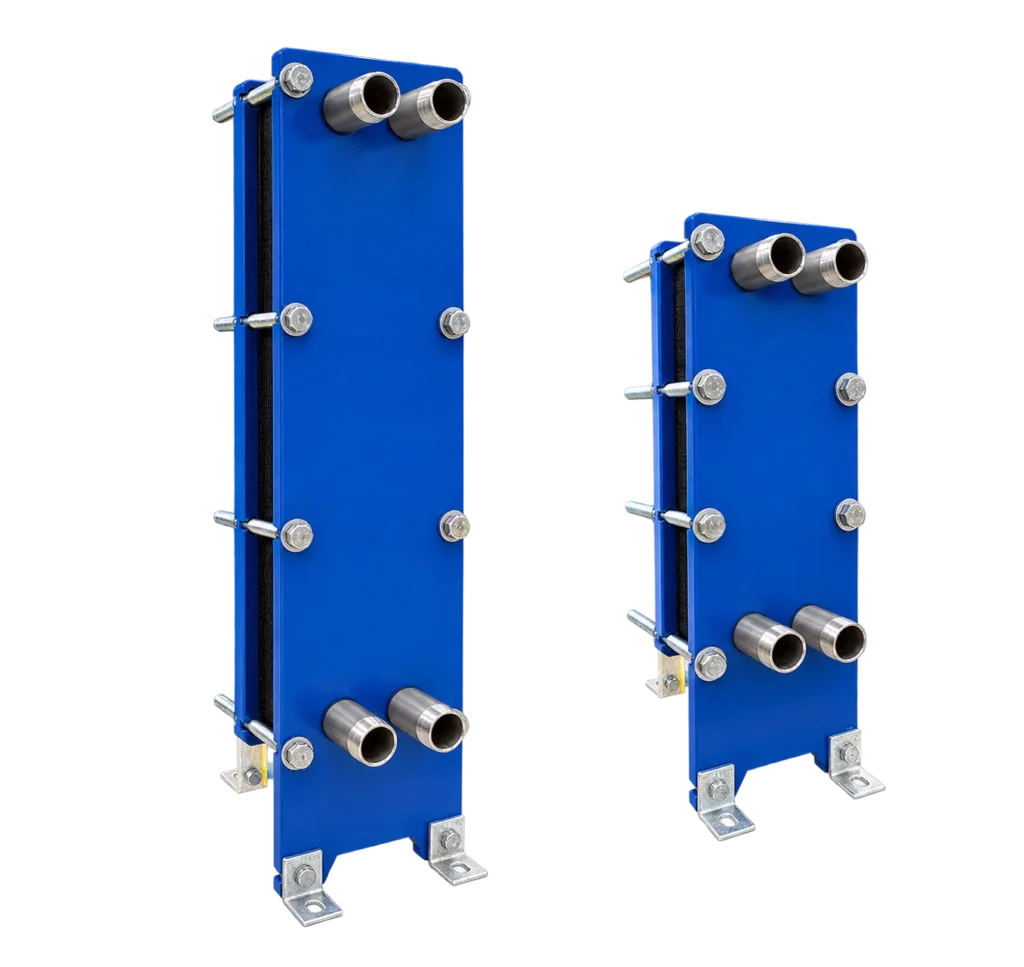
Fig 3.1: SonFlow plate heat exchanger configured for edible oil-to-oil heat recovery duties.

4. Heavy-Duty DanPumps for Hot Oil & Bleaching Slurries

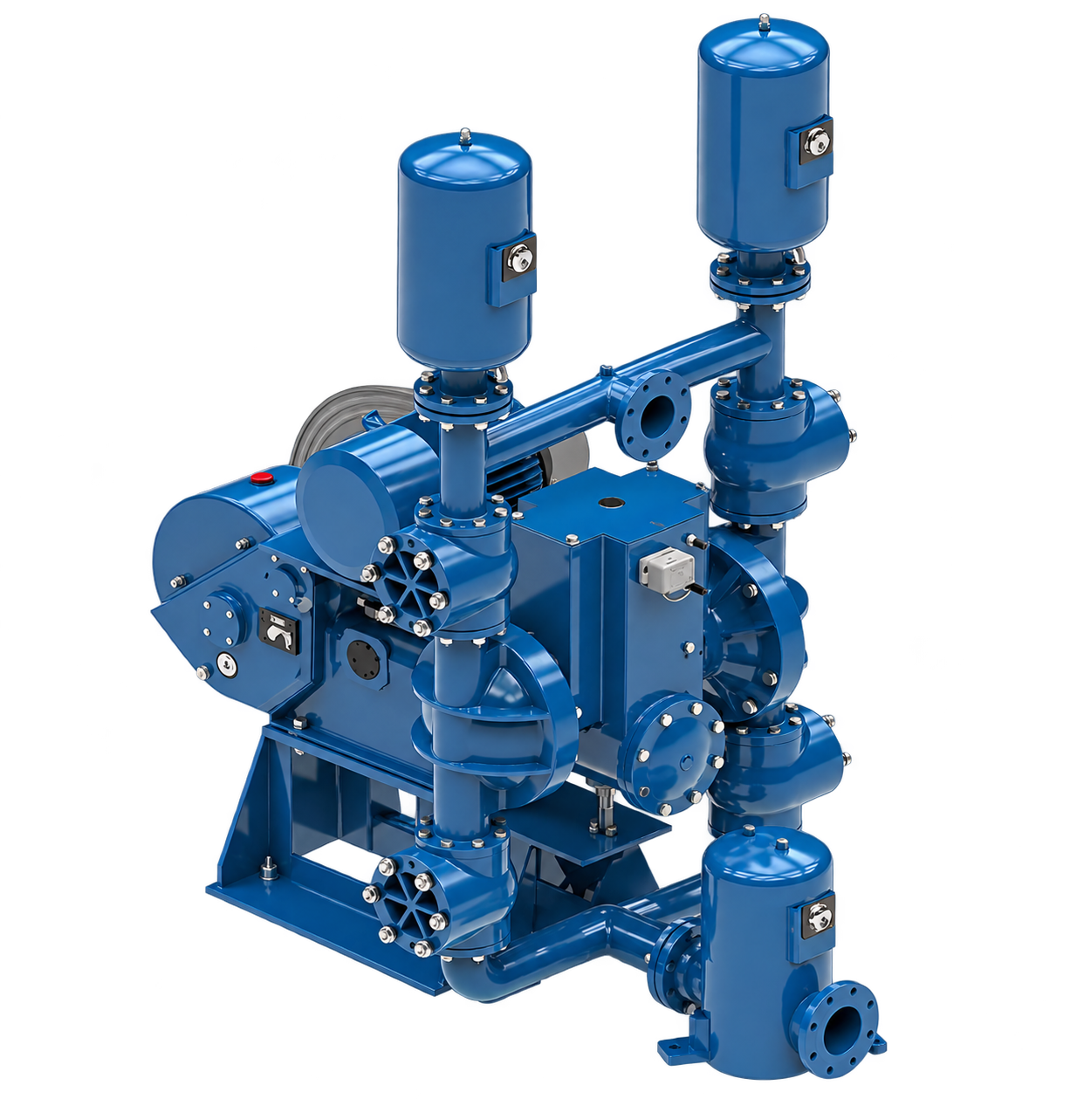
Pumping 200°C edible oil and abrasive activated clay slurries requires superior mechanical resilience:

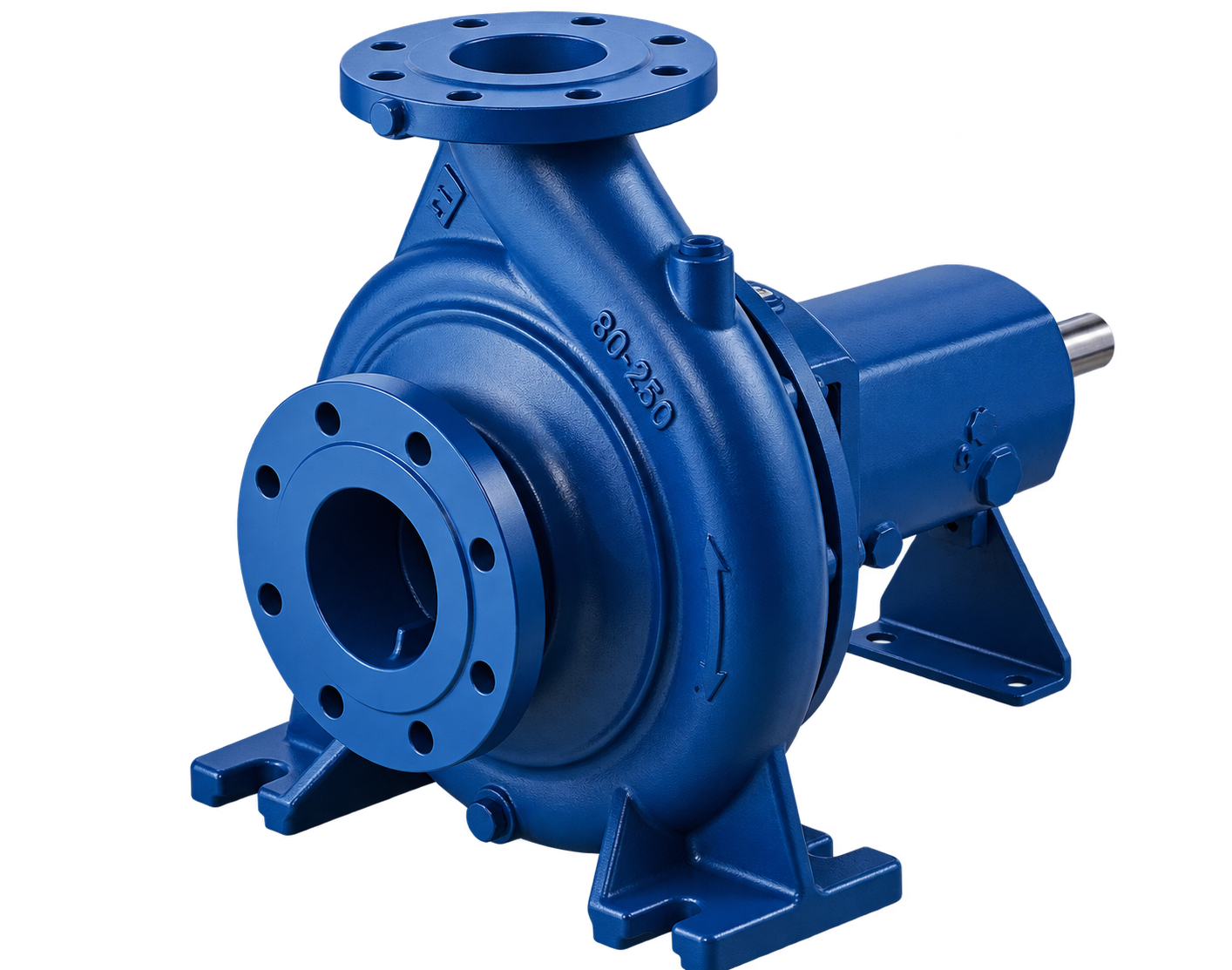
  • Investment-cast AISI 316L casings engineered for extreme thermal gradients and abrasive resistance.
  • Flushed double Tungsten Carbide mechanical seals preventing abrasive particulate ingress.
  • Continuous 24/7 reliability minimizing unplanned plant maintenance across extended refining campaigns.
4. Heavy-Duty DanPumps for Hot Oil & Bleaching Slurries
Fig 4.1: Heavy-duty DanPumps installation engineered for high-temperature vegetable oil transfer.

Questions and answers about beer production solutions & equipment

How does the SonFlow Oil-to-Oil plate economizer achieve up to 80% energy savings?

Deodorized oil leaving the stripping column at 240°C routes directly through one channel circuit of a SonFlow plate economizer. The counter-current circuit conveys bleached oil at 110°C heading into the deodorizer. Thermal transfer occurs across narrow temperature approaches, boosting feed temperatures up to 200°C while simultaneously cooling product streams, reducing thermal fluid furnace fuel burn by up to 80%.

Why are SonFlow All-Welded plate heat exchangers superior to traditional shell-and-tube units?

Conventional shell-and-tube heat exchangers suffer from massive footprints, low overall heat transfer coefficients, and tube-sheet fatigue under thermal cycling. SonFlow All-Welded plate units feature fully welded plate packs with zero elastomer gaskets, rated for temperatures up to 350°C and 40 bar pressure. They occupy 70% less floor space and achieve 3 to 4 times higher heat transfer coefficients, minimizing product residence holdup time.

How are degumming and caustic neutralization stages thermally optimized?

To hydrate and remove hydratable and non-hydratable phosphatides, crude seed oil preheats to 70°C - 80°C in SonFlow PHEs prior to phosphoric/citric acid conditioning. Dilute caustic soda (NaOH) is dosed to convert free fatty acids into insoluble soapstock. Disc stack centrifuges separate the heavy soap phase. Precise temperature control ensures optimal interfacial viscosity, minimizing neutral oil entrainment losses.

How do DanPumps industrial pumps withstand abrasive activated bleaching earth slurries?

During bleaching, activated bentonite clay is slurried into oil at 105°C - 110°C under vacuum to adsorb chlorophyll and red carotenes. This clay slurry is severely abrasive. DanPumps supplies heavy-duty process pumps featuring thickened wear-resistant casings and Tungsten Carbide mechanical seal faces flushed with clean barrier fluid, preventing particulate intrusion and premature seal failure.

Technical Brochures, Manuals & Certificates

Discuss Your Seed Oil Refining & Energy Recovery Application

From regenerative Oil-to-Oil economizer skids and All-Welded high-temp exchangers to abrasive slurry transfer pumps, Lecoqimex engineers calculate exact thermal balances and fluid duties within 24 hours.

Click to browse or drag files here
PDF, CAD, 3D STEP, Office, Images (Max 50MB)

Request for Quote Submitted Successfully!

Your technical dossier has been registered into the Lecoqimex engineering system.

B2B INQUIRY SLIP LIE-XXXX
LECOQIMEX
Integrated Industrial Solutions & OEM Spares
ELECTRONIC INQUIRY SLIP / SPEC RECORD
Ticket: LIE-XXXX
I. CLIENT & COMPANY INFORMATION
Full Name: --
Business Email: --
Phone Number: --
Company Name: --
Country / Location: --
II. SPECIFICATIONS & SCOPE
Technology Brand: --
Product / Model: --
Industry: --
Attached Documents: --
Current Status: Inquiry Received & Under Review
III. MESSAGE / REQUIREMENTS
--

How We Deliver Your Solution

From initial parameters to verified commissioning, our engineering team ensures optimal thermal performance and seamless integration.

01

Parameter Assessment

We analyze your specific flow rates, temperature profiles, wort gravity, and cellar cooling requirements.

02

Thermodynamic Modeling & CAD

Application engineers run thermodynamic simulations to size heat exchangers, select materials, and prepare 2D and 3D CAD files for your plant layout.

03

OEM Optimization & Proposal

You receive a detailed technical proposal with verified performance guarantees, energy recovery estimates, and transparent pricing.

04

Commissioning & Support

We provide on-site installation guidance, commissioning validation, full sanitary compliance documentation, and ongoing spare parts availability.

Need urgent sizing assistance? Reach our engineering team at +33 7 82 85 35 55 or services@lecoqimex.com

Link copied!