Lifecycle Equipment Cleaning & Resource Recovery (CIP Solutions)

Across the Total Cost of Ownership (TCO) and Life-Cycle Assessment (LCA) of food and beverage process assets, initial capital expenditure represents less than 15% of whole-life impact, whereas over 85% is consumed by pumping electricity, cleaning thermal energy, caustic/acid chemicals, and product displacement losses during sanitation. Lecoqimex provides an evidence-based engineering assessment framework linking equipment hydraulic efficiency, validated clean-in-place (CIP) protocols, and premium SonFlow plate heat exchangers to minimize life-cycle environmental and financial burdens.

Lifecycle Equipment Cleaning & Resource Recovery (CIP Solutions)

Slashing CIP Downtime by 30% & Saving 40% in Sanitization Chemical Consumption

  • Optimized CIP fluid velocities of 1.5 - 2.0 m/s providing rigorous hydraulic shear to dissolve soils fast
  • Automated caustic and acid recovery loops controlled by precision inline conductivity sensors
  • Dead-zone-free SonFlow Sanitary plate configurations cutting intermediate rinse water volume by 50%
  • Premium IE3 DanPumps motor efficiencies significantly curbing lifetime greenhouse gas emissions

Many food facilities operate clean-in-place (CIP) routines on arbitrary over-conservative margins: excessive cycle durations, overly concentrated caustic doses, and unnecessarily high wash temperatures that drive up operating costs while degrading elastomer gaskets prematurely. The Lecoqimex life-cycle assessment framework establishes empirical resource inventories for each cleaning sequence, standardizing kinetic time, temperature, and chemical action to guarantee 100% microbiological sterility while maximizing equipment service life.

1. Life-Cycle Assessment (LCA) Framework in Process Engineering

Life-Cycle Assessment (LCA) and Total Cost of Ownership (TCO) frameworks represent the most rigorous decision-making methodology for modern plant directors and chief engineers.

Rather than judging machines solely on initial purchase quotations (Capex), whole-life methodology tracks cumulative electricity footprints, water consumption, CIP chemicals, scheduled spare parts, and product shrinkage across 10 to 20 years of operational service (Opex). Engineering designs in SonFlow plate exchangers and DanPumps hydraulics are systematically refined to achieve the lowest validated life-cycle cost per unit of delivered production.
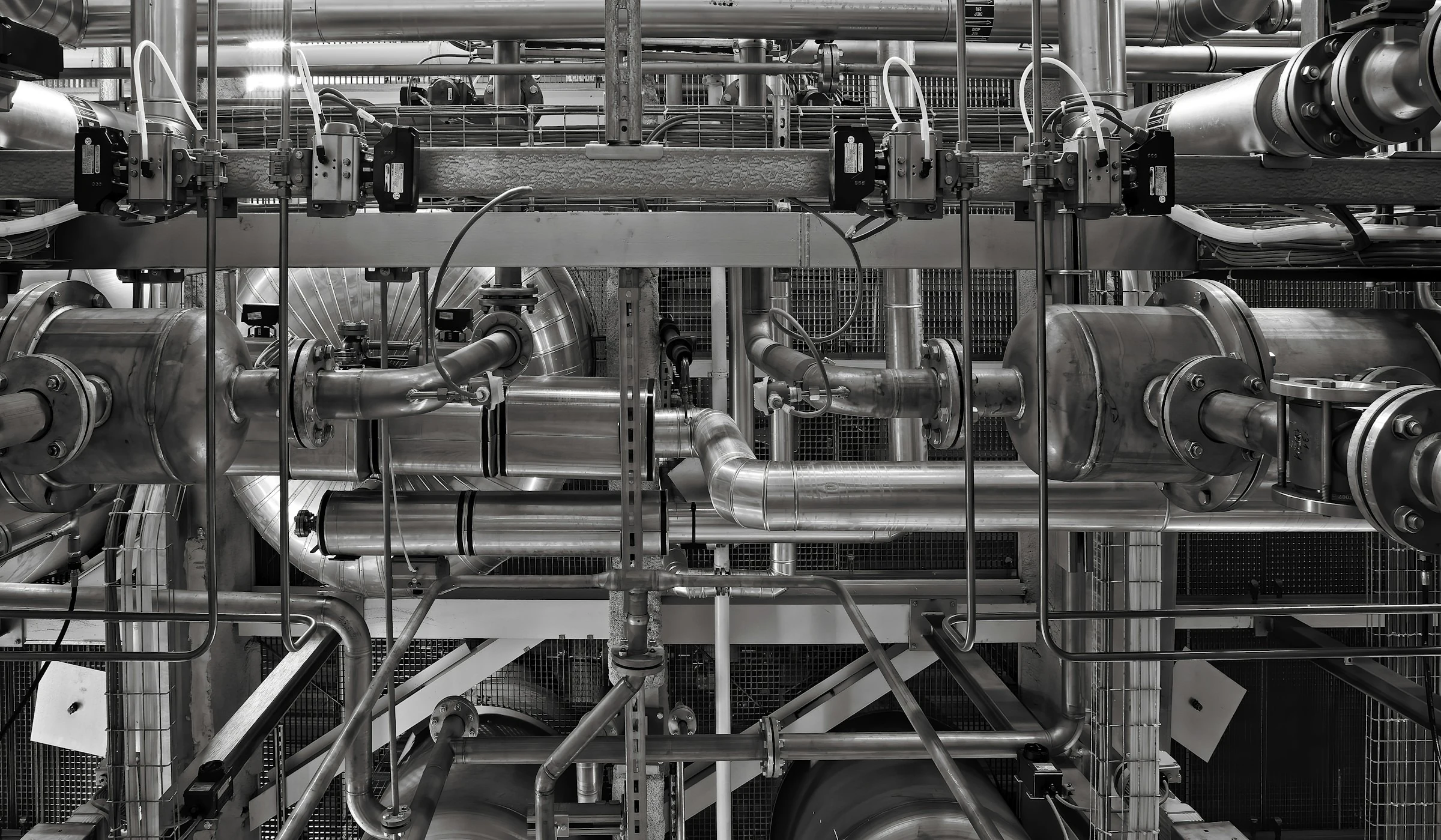
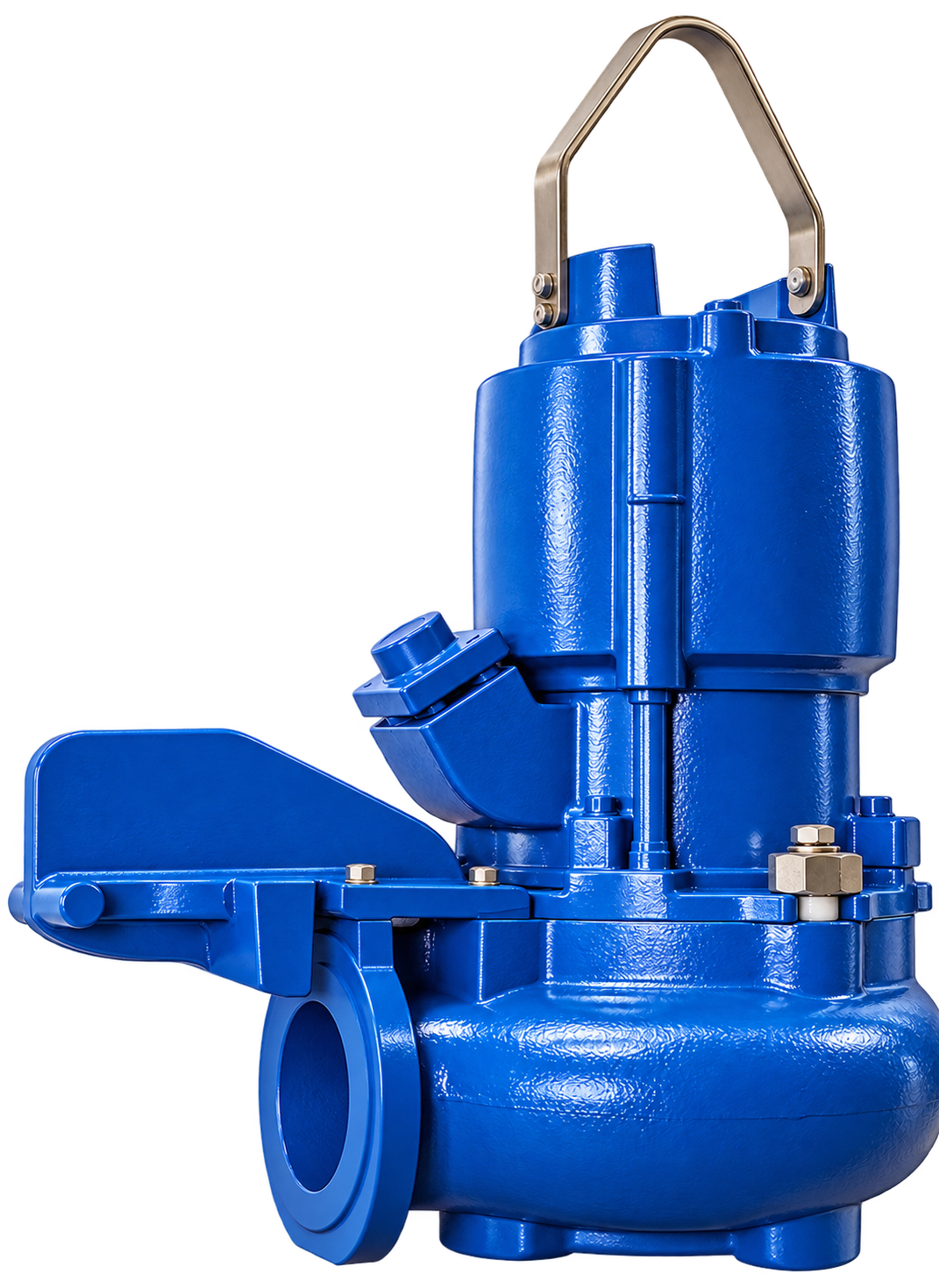
1. Life-Cycle Assessment (LCA) Framework in Process Engineering
Fig 1.1: Whole-life inventory boundaries tracking electricity, thermal energy, water, and CIP chemistry.

2. Resource-Optimized Clean-in-Place (CIP) Architecture

A state-of-the-art circular resource-recovery CIP system operates across five coordinated phases:

Stage 01

Product Displacement & Pre-Rinse Recovery

  • 01. Air Blowdown / Pigging: Sweeping valuable product holdup from pipelines prior to introducing water.
  • 02. Warm Pre-Rinse: Utilizing reclaimed final rinse water from prior runs to evacuate 90% of loose soil.
Stage 02

Recirculating Caustic Wash & Recovery

  • 03. 1.5 - 2.0% Caustic Wash at 75°C: Digesting fats, protein films, and caramelized organic deposits.
  • 04. Conductivity-Guided Recovery: Diverting valid detergent back to caustic storage, discharging only fouled lead volume.
Stage 03

Intermediate Rinse & Mineral Acid Wash

  • 05. Intermediate Fresh Rinse: Purging alkaline residues cleanly before acid introduction.
  • 06. 1.0% Nitric/Phosphoric Acid at 65°C: Dissolving mineral beerstone/milkstone and re-passivating stainless steel.
Stage 04 & 05

Final Sterile Rinse & Water Recovery

  • 07. Final Pure Water Flush: Bringing internal pipeline pH to neutral 7.0 with verified microbial purity.
  • 08. Full Water Recirculation: Returning pristine final rinse volumes to recovery tanks for the next cycle pre-rinse.
2. Resource-Optimized Clean-in-Place (CIP) Architecture
Fig 1.2: Automated 4-tank CIP skid featuring inline conductivity recovery for caustic, acid, and final rinse water.

3. Sanitary Equipment Engineering: SonFlow & DanPumps

The sanitary equipment portfolio engineered by Lecoqimex minimizes cleaning resource consumption systematically:

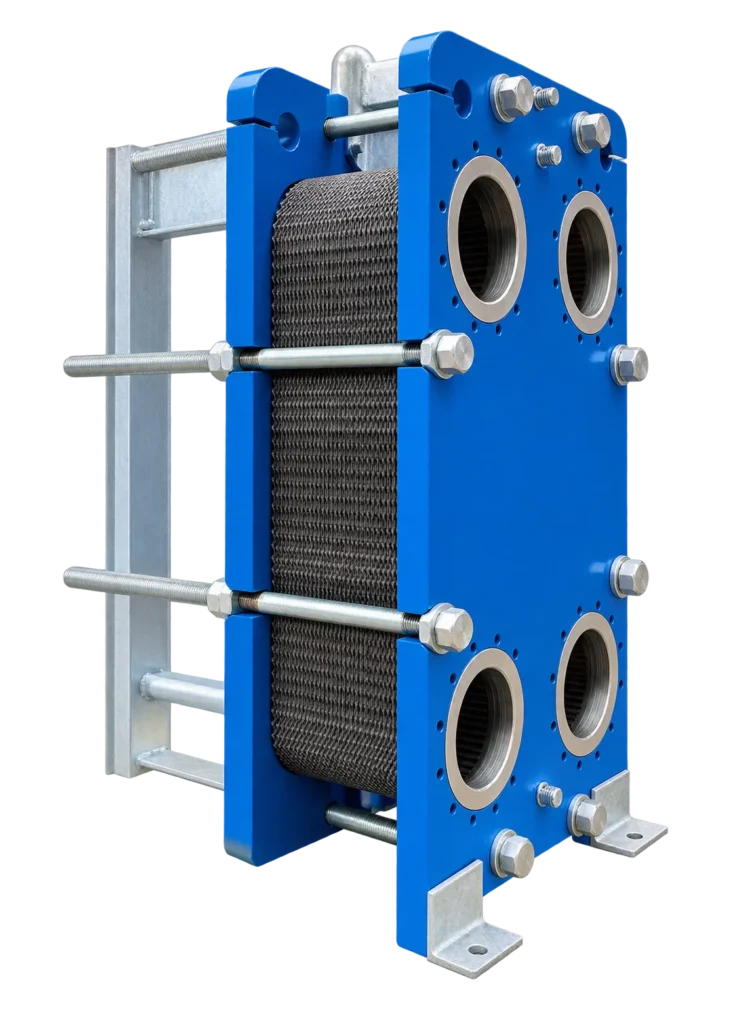
SonFlow Sanitary Plate Heat Exchangers

3-A and EHEDG certified. Uniform fluid sweep geometries eliminate stagnant corners, allowing CIP chemicals to dissolve soils in minimum contact time.

SonFlow Glue-Free Clip-on Elastomers

High-temperature FDA-compliant EPDM and FKM resisting harsh caustics and acids. Instant snap-in replacement cuts plate pack maintenance downtime by 80%.

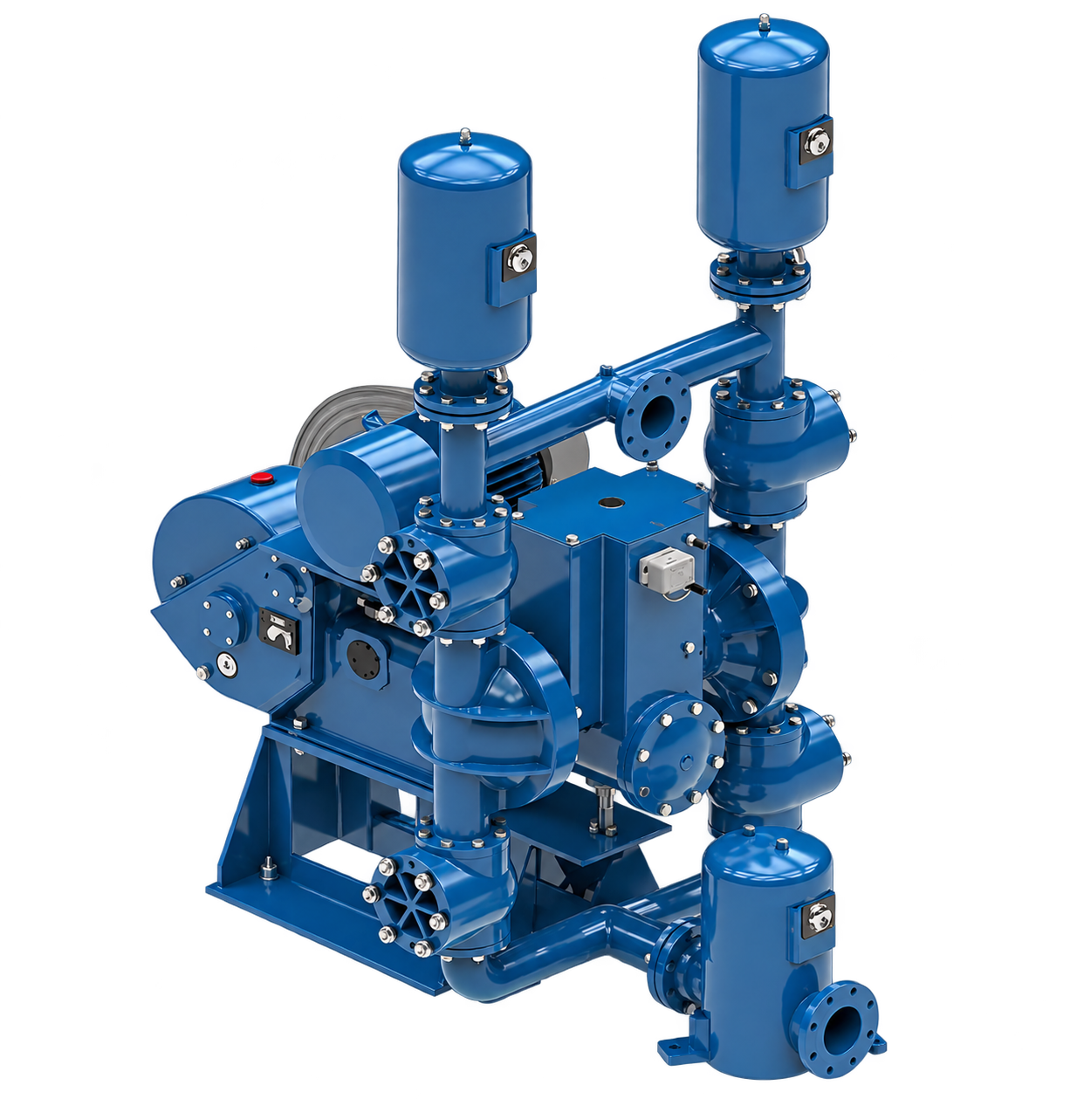
DanPumps S-FP Sanitary Pumps with IE3 Motors

Electropolished AISI 316L (Ra < 0.8 µm). Premium hydraulic efficiency and IE3 motors curb plant electrical expenditure across decades of operation.

Automated Closed-Loop CIP Skids

Integrated inline temperature, flow, and inductive conductivity telemetry automating valve switching to the second, eliminating human chemical waste.

3. Sanitary Equipment Engineering: SonFlow & DanPumps
Fig 1.3: DanPumps S-FP sanitary CIP supply and return pump train operating on automated conductivity feedback.

Questions and answers about beer production solutions & equipment

Why must industrial equipment be evaluated on "Equivalent Delivered Service" rather than Capex?

A cheaper pump or heat exchanger with merely 5% lower hydraulic efficiency can waste electrical power exceeding its initial purchase price many times over a 10-year operating horizon. Furthermore, poor hygienic engineering prolongs required CIP cycles, multiplying water and chemical consumption while extending costly production downtime. Evaluating machines based on equivalent delivered service under identical duty and operating hours uncovers the true whole-life financial reality.

How do the four parameters of the Sinner Circle dictate clean-in-place (CIP) operating expenses?

The Sinner Circle links four interdependent parameters: Mechanical Action (flow velocity), Chemical Action (detergent concentration), Thermal Energy, and Contact Time. Increasing mechanical shear to 1.5 - 2.0 m/s via correctly sized DanPumps allows reducing water temperature from 85°C to 70°C and cutting cycle time from 45 min to 30 min, slashing boiler steam, electrical pumping power, and water consumption simultaneously.

How do inline inductive conductivity sensors enable automated CIP chemical reuse?

In the CIP return line, inline toroidal conductivity sensors monitor ionic strength continuously. During caustic dosing, initial water is diverted to drains until target caustic concentrations register, instantly switching valves to return detergent to storage tanks for subsequent cycles. At cycle completion, detecting concentration drops isolates the chemical phase cleanly, enabling 80-90% chemical recovery.

How does SonFlow glue-free Clip-on gasket engineering extend plate heat exchanger service life?

Glued gaskets degrade rapidly under aggressive thermal cycles and hot caustic/acid CIP flushes, causing adhesive failure, gasket displacement, and cross-contamination leaks. SonFlow glue-free Clip-on gaskets utilize precision mechanical retaining studs cast from FDA-compliant elastomers. During maintenance, technicians replace gaskets in seconds without chemical solvent scraping or curing delays, reducing overhaul downtime by 80%.

Technical Brochures, Manuals & Certificates

Request Life-Cycle Assessment & CIP Optimization Engineering Audit

From pump electrical audits and Sinner Circle optimization to automated chemical recovery CIP skids, Lecoqimex engineers calculate full life-cycle TCO reports within 24 hours.

Click to browse or drag files here
PDF, CAD, 3D STEP, Office, Images (Max 50MB)

Request for Quote Submitted Successfully!

Your technical dossier has been registered into the Lecoqimex engineering system.

B2B INQUIRY SLIP LIE-XXXX
LECOQIMEX
Integrated Industrial Solutions & OEM Spares
ELECTRONIC INQUIRY SLIP / SPEC RECORD
Ticket: LIE-XXXX
I. CLIENT & COMPANY INFORMATION
Full Name: --
Business Email: --
Phone Number: --
Company Name: --
Country / Location: --
II. SPECIFICATIONS & SCOPE
Technology Brand: --
Product / Model: --
Industry: --
Attached Documents: --
Current Status: Inquiry Received & Under Review
III. MESSAGE / REQUIREMENTS
--

How We Deliver Your Solution

From initial parameters to verified commissioning, our engineering team ensures optimal thermal performance and seamless integration.

01

Parameter Assessment

We analyze your specific flow rates, temperature profiles, wort gravity, and cellar cooling requirements.

02

Thermodynamic Modeling & CAD

Application engineers run thermodynamic simulations to size heat exchangers, select materials, and prepare 2D and 3D CAD files for your plant layout.

03

OEM Optimization & Proposal

You receive a detailed technical proposal with verified performance guarantees, energy recovery estimates, and transparent pricing.

04

Commissioning & Support

We provide on-site installation guidance, commissioning validation, full sanitary compliance documentation, and ongoing spare parts availability.

Need urgent sizing assistance? Reach our engineering team at +33 7 82 85 35 55 or services@lecoqimex.com

Link copied!