Olive Oil Processing: Decanter Separation & Extraction

Producing certified Extra Virgin Olive Oil (EVOO) demands precise thermal regulation during malaxation below 27°C to satisfy cold extraction standards, combined with high-performance 3-phase decanter centrifuge technology separating virgin oil, vegetable water, and solid pomace without degrading natural polyphenols and delicate fruity aromas.

Olive Oil Processing: Decanter Separation & Extraction

Maximized Oil Recovery & Polyphenol Antioxidant Preservation

  • Precision malaxation thermal management strictly below 27°C guaranteeing certified cold extraction EVOO status
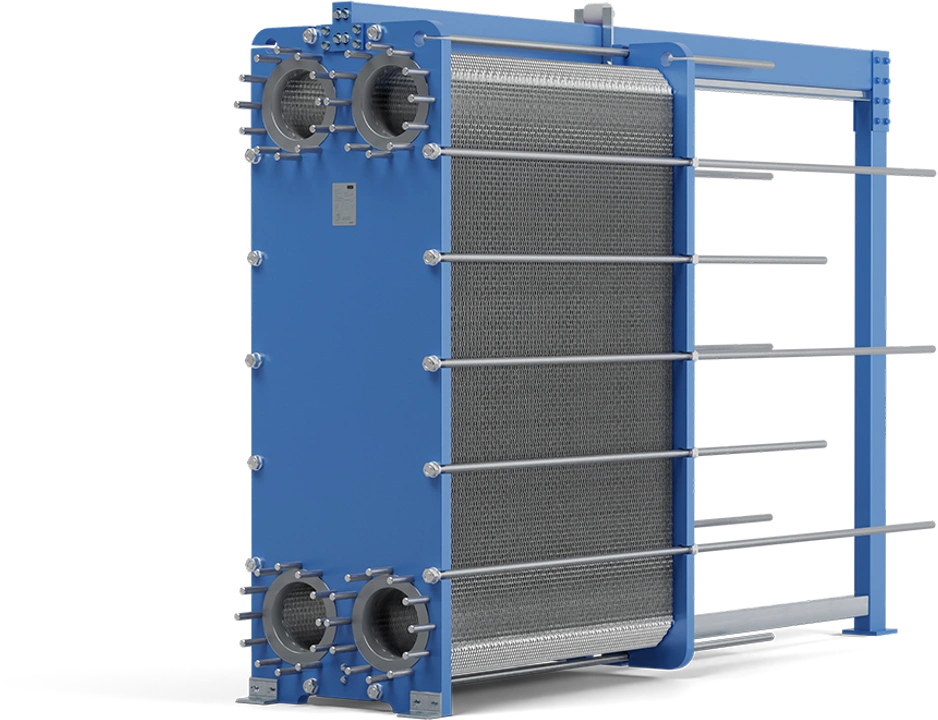
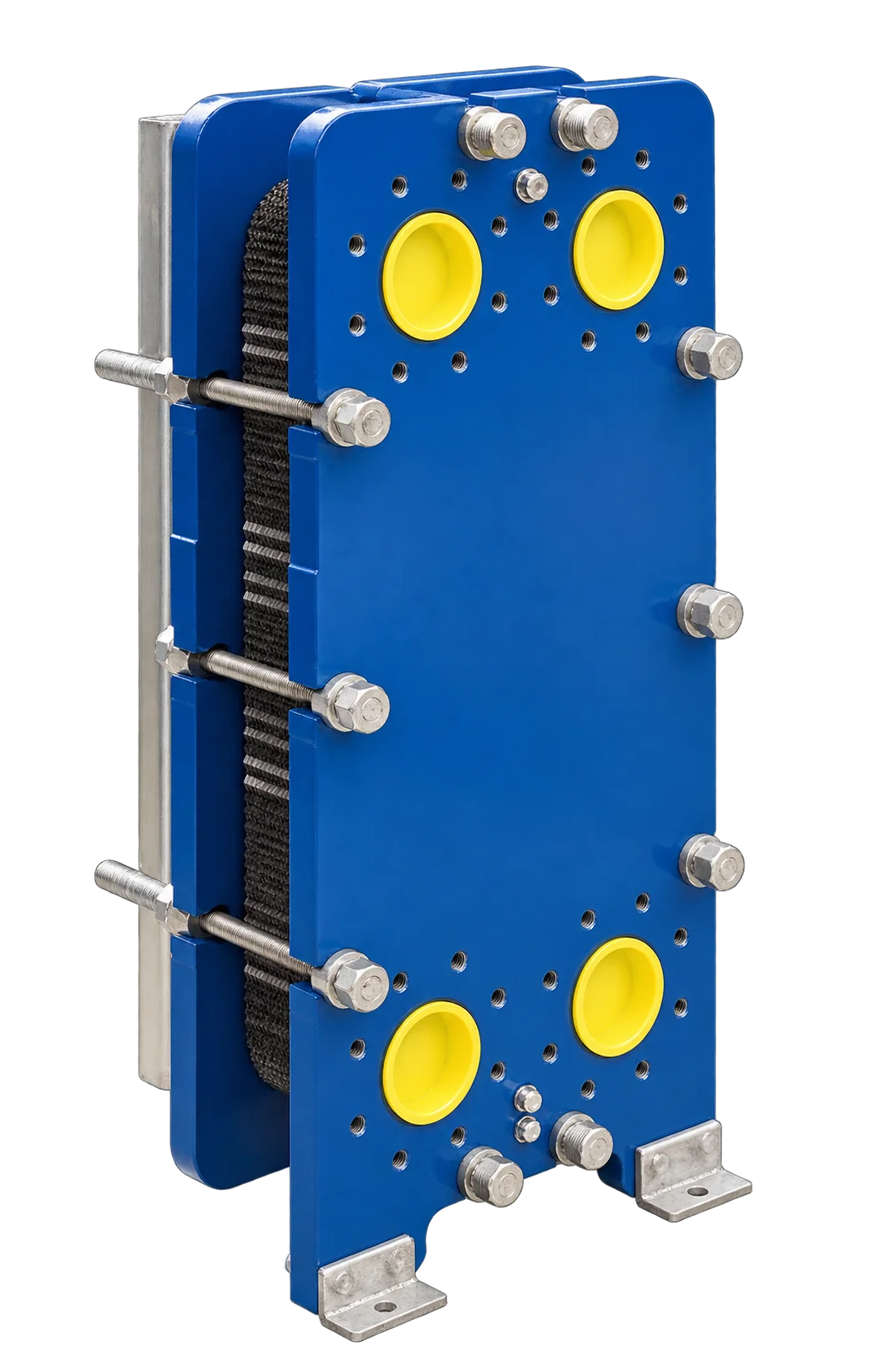
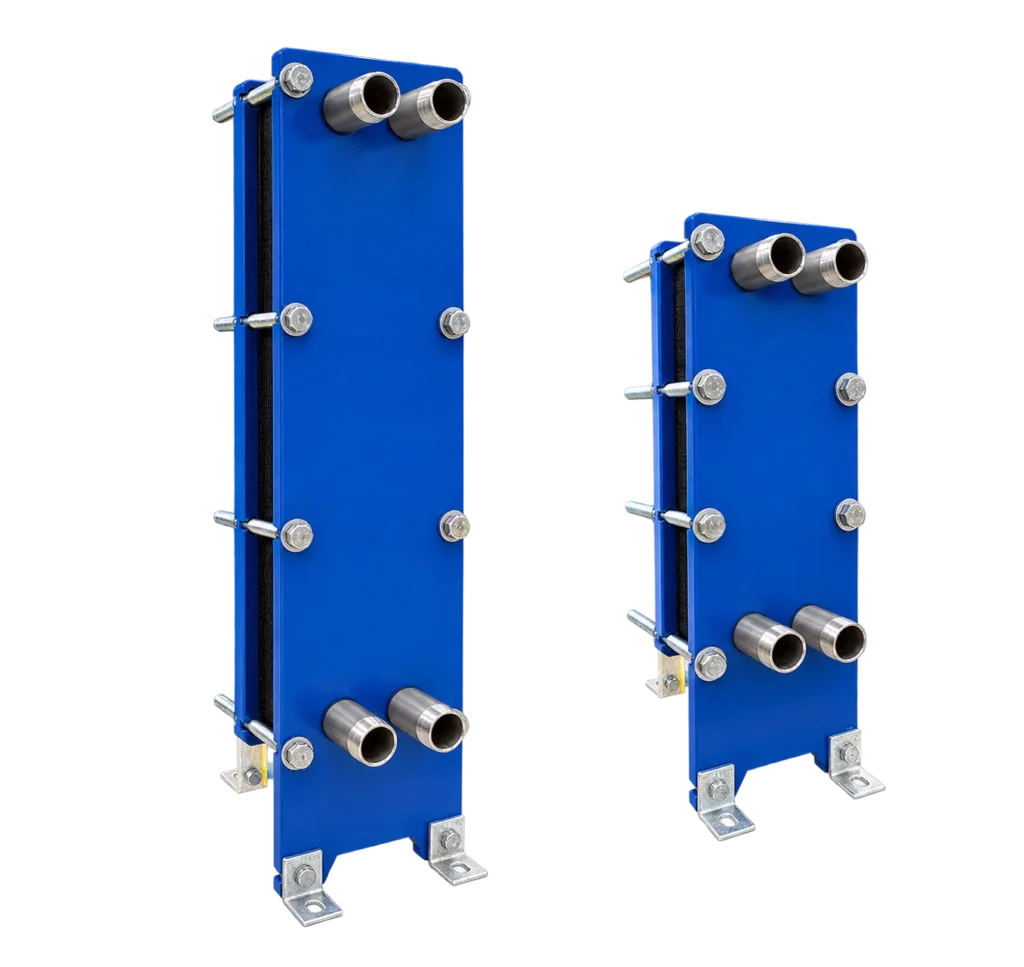
  • SonFlow plate heat exchangers preheating wash water efficiently to slash utility boiler fuel consumption
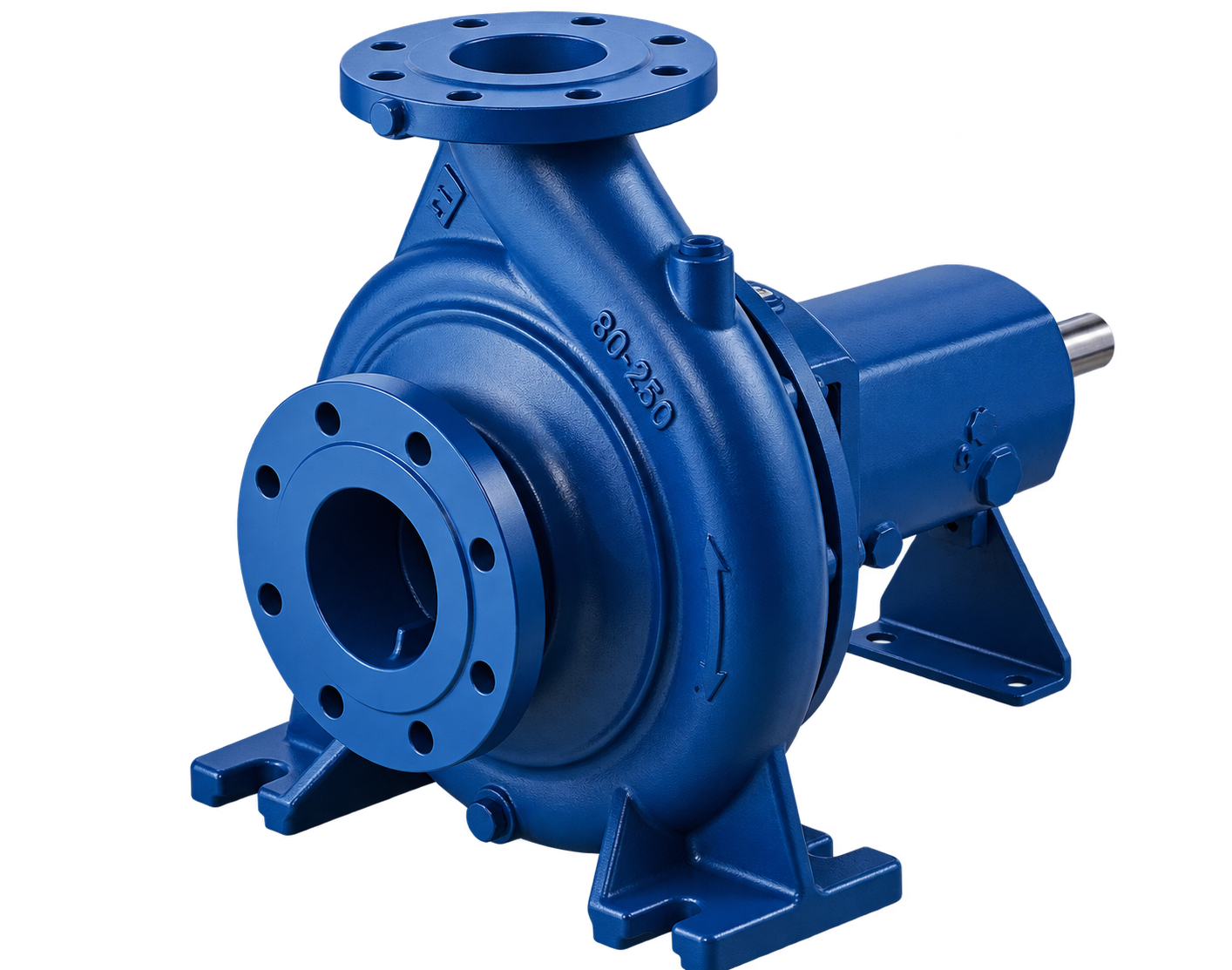
  • Gentle DanPumps S-FP fluid transfer preventing emulsion formation and protecting oil droplet coalescence
  • High-efficiency separation minimizing residual oil in exhausted pomace to optimize mill profitability

The chemical and sensory excellence of EVOO depends upon the delicate balance of temperature and duration during olive paste malaxation. Exceeding 27°C strips volatile aromatics and accelerates triglyceride oxidation, elevating free fatty acids. SonFlow thermal exchangers provide sub-degree water loop regulation across malaxer jackets, facilitating optimum droplet coalescence from cellular vacuoles while safeguarding natural bio-phenols.

1. Extraction Dynamics & Extra Virgin Olive Oil Standards

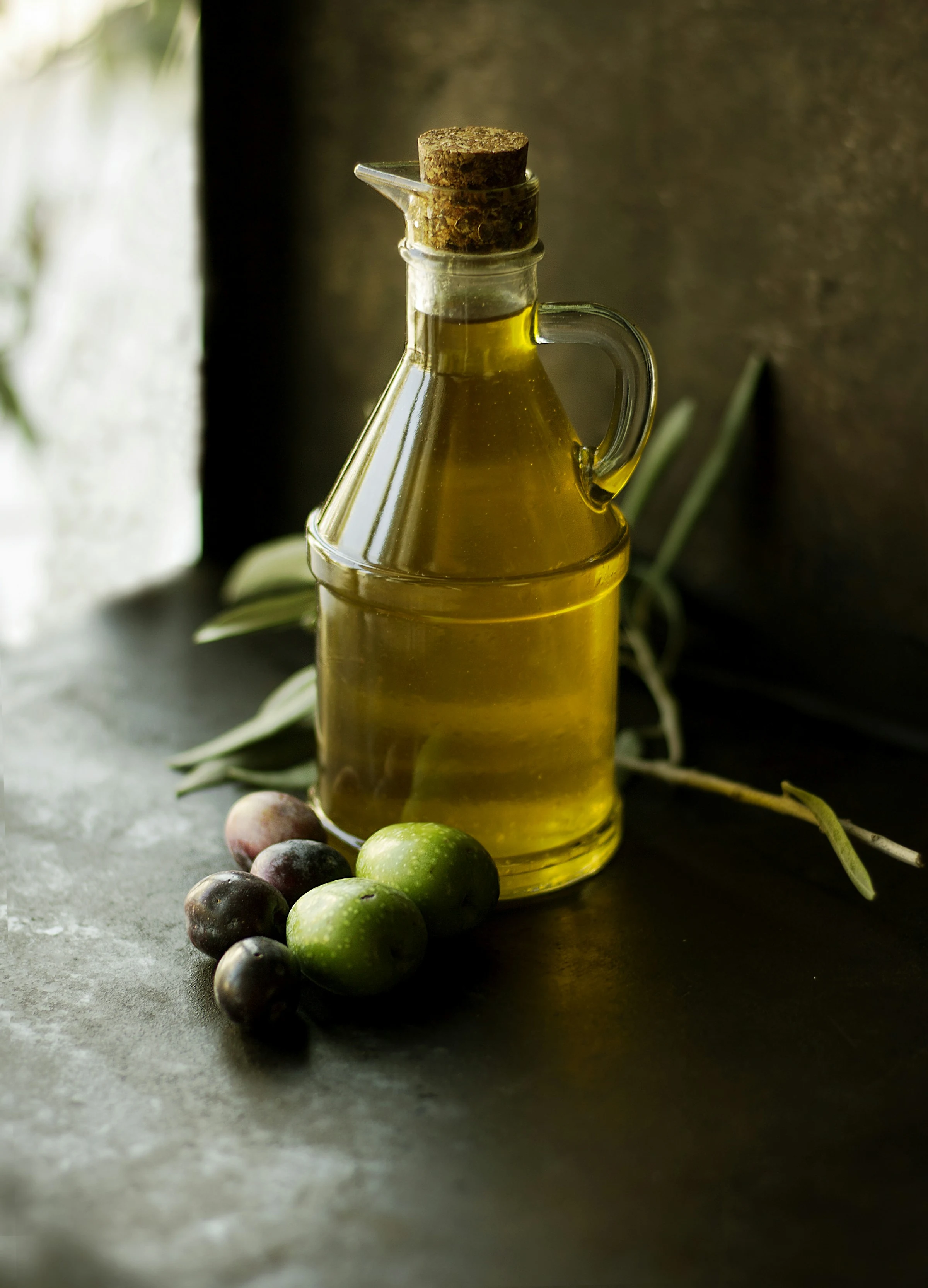
Extra Virgin Olive Oil represents the pinnacle of edible oil engineering, where mechanical precision and thermal moderation protect fragile bio-active complexes.

Mechanical extraction must proceed rapidly post-harvest to arrest anaerobic fermentation and triglyceride hydrolysis. Every sequence—from hammer crushing and malaxation kneading to centrifugal phase fractionation—must conform to tight thermal limits, safeguarding native antioxidants and terroir-driven sensory notes.
1. Extraction Dynamics & Extra Virgin Olive Oil Standards
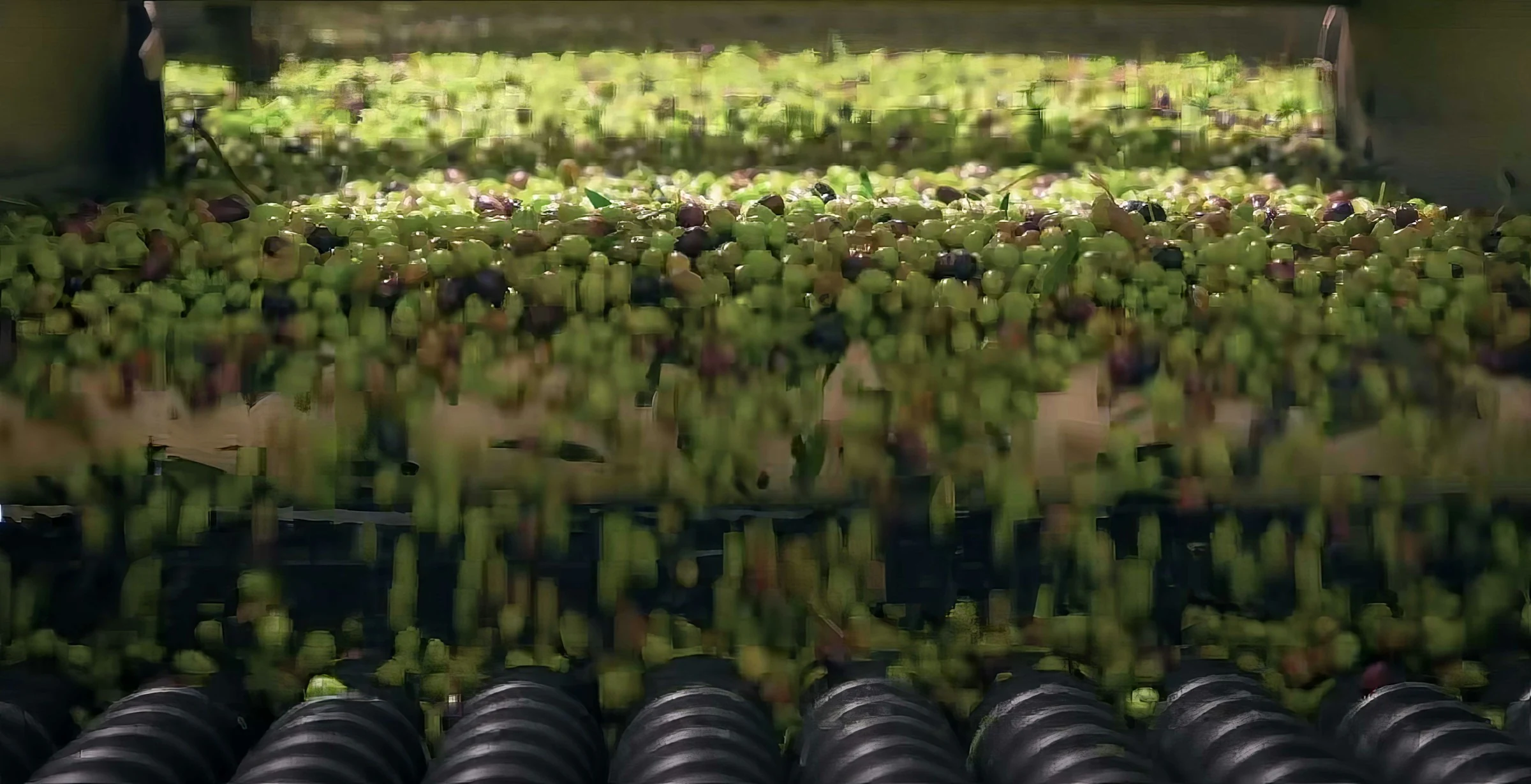
Fig 1.1: Modern industrial olive oil extraction plant operating under continuous thermal regulation.

2. The Core Olive Oil Extraction Sequence

Certified cold-extraction olive oil milling operates systematically through two linked sequences:

Stage 01

Intake, Washing, Crushing & Malaxation

  • 01. Intake & Washing: Fruit defoliation, hydro-washing, and vibrating screen dewatering.
  • 02. Hammer Milling: Precision hammer crushers fracturing fruit mesocarp vacuoles.
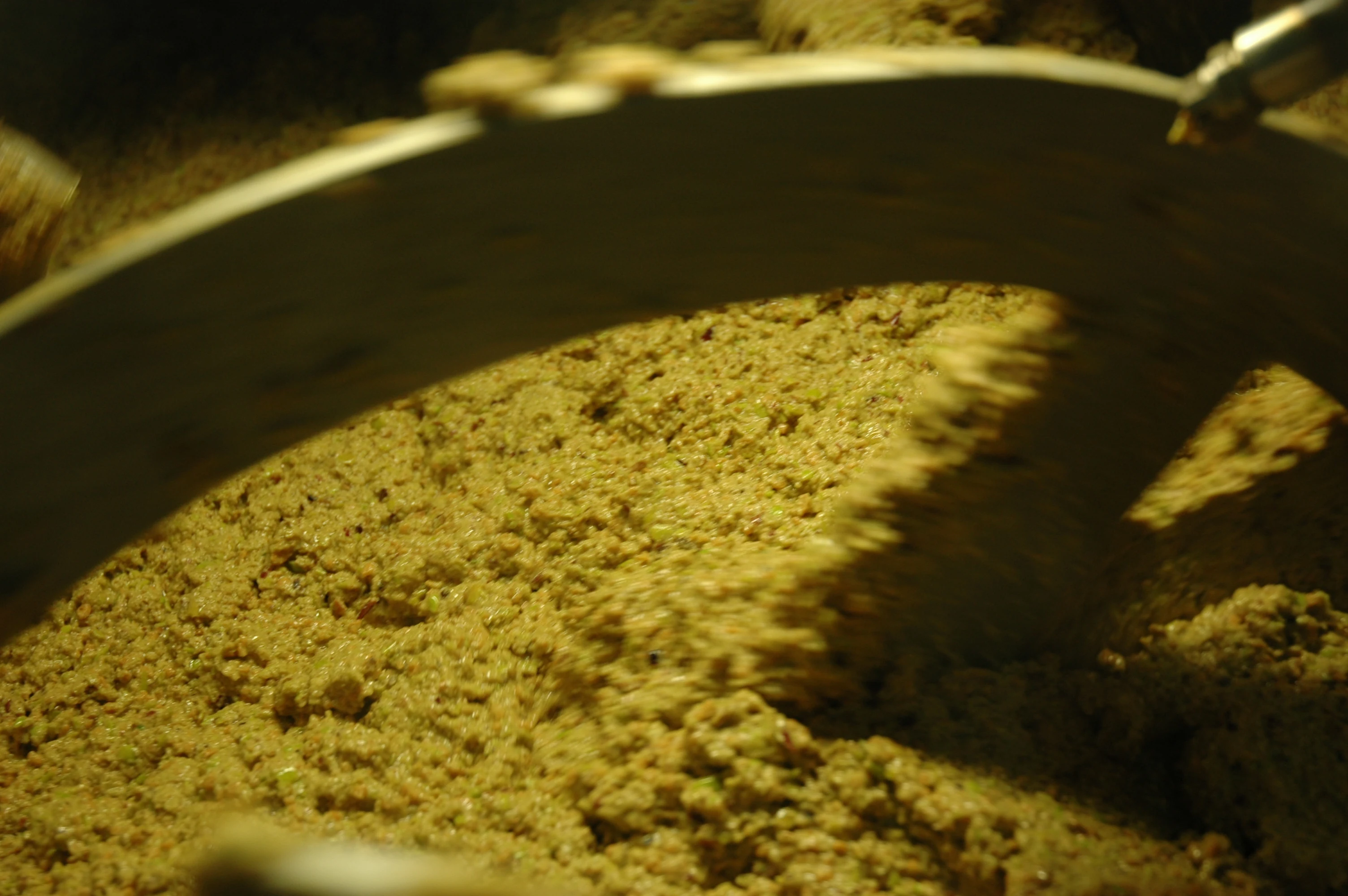
  • 03. Malaxation Kneading: Slow spiral blades turning mash in water-jacketed thermal troughs.
  • 04. Droplet Coalescence: Micro-droplets merging into continuous extractable oil veins.
  • 05. Thermal Regulation: SonFlow hot-water loops keeping paste strictly below 27°C.
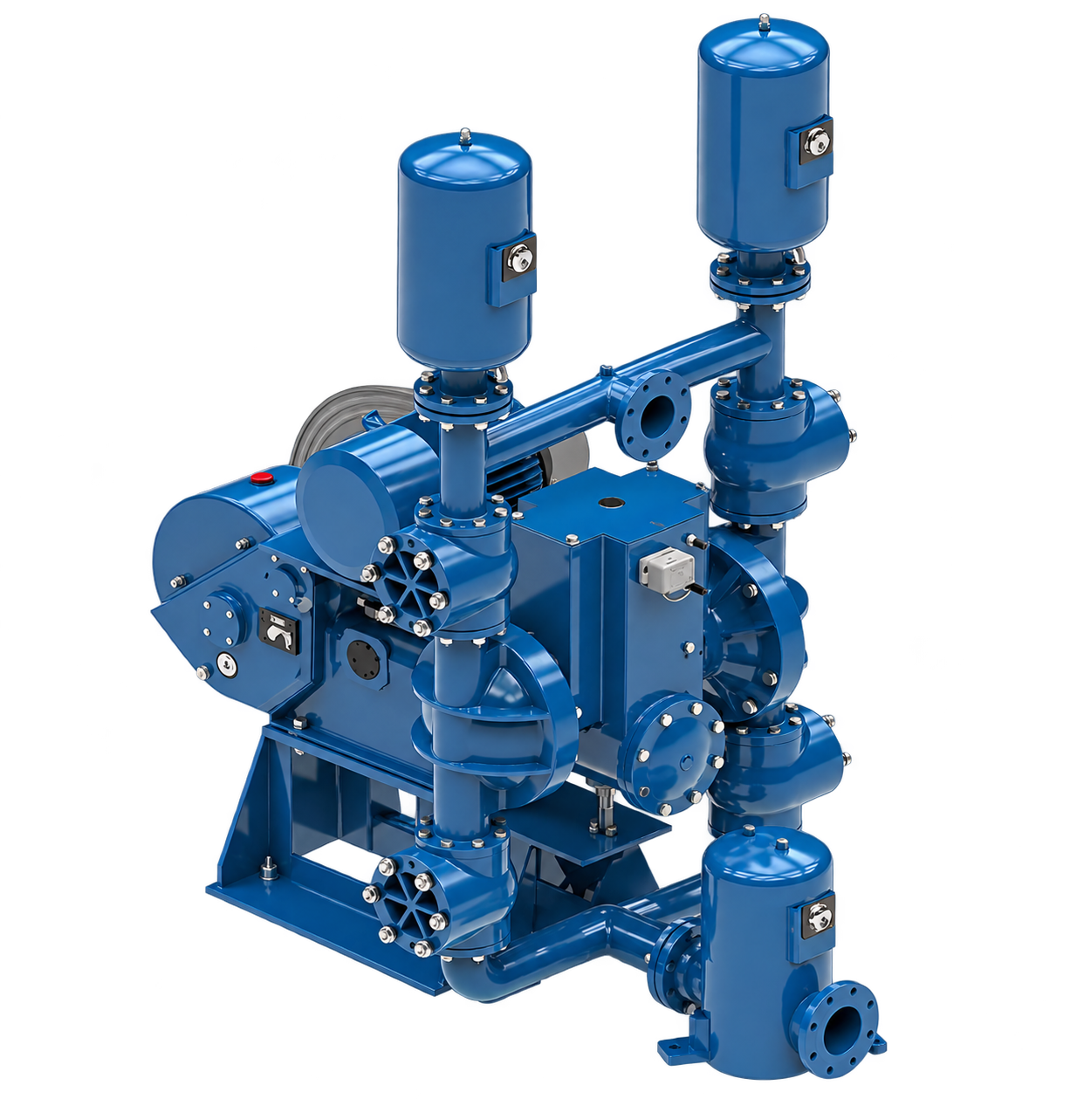
  • 06. Decanter Mash Feeding: Positive displacement pumps feeding mash to centrifuges.
Stage 02

Centrifugal Fractionation, Polishing & Packaging

  • 07. Decanter Centrifugation: 3000G force separating oil, vegetation water, and pomace cake.
  • 08. Disc Stack Polishing: High-speed vertical centrifuge removing trace water at 30°C.
  • 09. Cellulose Sheet Filtration: Imparting brilliant crystalline clarity and shelf stability.
  • 10. Nitrogen-Blanketed Storage: Storing in AISI 316L tanks under positive inert N2 pressure.
  • 11. UV-Shielded Bottling: Filling dark glass bottles to prevent photolytic oxidation.
  • 12. Automated CIP Loops: Sanitary hot-water flushing recovering thermal enthalpy.
2. The Core Olive Oil Extraction Sequence
Fig 2.1: Insulated malaxer kneading troughs equipped with SonFlow jacketed temperature control.

3. Malaxation Thermal Precision: SonFlow Plate Exchangers

During olive paste conditioning, precise thermal approach management defines overall mill performance:

01 / Jacket Water Loop Moderation

SonFlow gasketed PHEs deliver tempered water at 28°C - 30°C to malaxer jackets, guaranteeing paste temperatures never cross the critical 27°C boundary.

02 / Polishing Water Preheating

Rapidly warming centrifuge wash water to 35°C ahead of vertical disc separators, stripping microscopic suspended fines without oil degradation.

3. Malaxation Thermal Precision: SonFlow Plate Exchangers
Fig 3.1: SonFlow gasketed plate heat exchanger engineered for olive oil mill utility and wash water circuits.

4. Anti-Emulsion Fluid Transfer: DanPumps S-FP Series

Virgin oil exiting centrifuges requires gentle delivery to bulk storage tanks without shear stress:

  • Semi-open impellers ensure laminar fluid acceleration, eliminating internal turbulence that triggers emulsion formation.
  • Investment-cast AISI 316L stainless steel provides complete inertness against natural acidity.
  • Sanitary mechanical seals resist vegetal oil adhesion, guaranteeing leak-free continuous operation.
4. Anti-Emulsion Fluid Transfer: DanPumps S-FP Series
Fig 4.1: DanPumps S-FP sanitary pump engineered for low-shear virgin olive oil transfer.

Questions and answers about beer production solutions & equipment

Why is temperature control below 27°C mandatory for certified Extra Virgin Olive Oil?

Under International Olive Council (IOC) regulations, cold extraction certification requires olive paste temperatures to remain strictly below 27°C throughout milling and malaxation. Higher temperatures accelerate lipoxygenase enzymatic oxidation, degrading fresh grassy aromas and destroying heat-sensitive biophenols such as oleocanthal and hydroxytyrosol. SonFlow heat exchangers regulate water jackets with precision, maintaining continuous paste mash between 24°C and 26°C.

How do 2-phase and 3-phase decanter centrifuge systems compare in olive oil processing?

Traditional 3-phase decanters divide the mash into three distinct streams: virgin oil, vegetation wastewater, and dry pomace cake, requiring warm dilution water addition. Ecological 2-phase decanters discharge oil and a wet pomace-water slurry without external water, preserving more water-soluble polyphenols and eliminating liquid wastewater effluent. Lecoqimex supplies heat exchangers and transfer pumps tailored to both operational architectures.

How does SonFlow plate technology optimize separator wash water heating?

Following horizontal decanting, raw olive oil retains residual moisture and micro-fines. High-speed vertical disc stack centrifuges clarify the oil using small volumes of warm polishing water at 30°C - 35°C. SonFlow gasketed plate heat exchangers utilize recovered heat or low-pressure hot water to maintain exact polishing water temperatures, ensuring total clarity without thermal shock to the oil.

How does the DanPumps S-FP sanitary pump prevent unwanted oil-water emulsification?

Oil and vegetation water form stubborn emulsions under high fluid shear rates, severely hindering subsequent centrifugal phase separation. DanPumps S-FP sanitary pumps incorporate gently contoured semi-open impellers driven by variable speed controllers, ensuring laminar-like displacement that avoids droplet atomization and supports natural oil droplet coalescence.

Technical Brochures, Manuals & Certificates

Discuss Your Olive Oil Processing & Extraction Application

From malaxer jacket temperature control skids and wash water heaters to low-shear centrifugal transfer pumps, Lecoqimex application engineers collaborate to maximize your extraction yield within 24 hours.

Click to browse or drag files here
PDF, CAD, 3D STEP, Office, Images (Max 50MB)

Request for Quote Submitted Successfully!

Your technical dossier has been registered into the Lecoqimex engineering system.

B2B INQUIRY SLIP LIE-XXXX
LECOQIMEX
Integrated Industrial Solutions & OEM Spares
ELECTRONIC INQUIRY SLIP / SPEC RECORD
Ticket: LIE-XXXX
I. CLIENT & COMPANY INFORMATION
Full Name: --
Business Email: --
Phone Number: --
Company Name: --
Country / Location: --
II. SPECIFICATIONS & SCOPE
Technology Brand: --
Product / Model: --
Industry: --
Attached Documents: --
Current Status: Inquiry Received & Under Review
III. MESSAGE / REQUIREMENTS
--

How We Deliver Your Solution

From initial parameters to verified commissioning, our engineering team ensures optimal thermal performance and seamless integration.

01

Parameter Assessment

We analyze your specific flow rates, temperature profiles, wort gravity, and cellar cooling requirements.

02

Thermodynamic Modeling & CAD

Application engineers run thermodynamic simulations to size heat exchangers, select materials, and prepare 2D and 3D CAD files for your plant layout.

03

OEM Optimization & Proposal

You receive a detailed technical proposal with verified performance guarantees, energy recovery estimates, and transparent pricing.

04

Commissioning & Support

We provide on-site installation guidance, commissioning validation, full sanitary compliance documentation, and ongoing spare parts availability.

Need urgent sizing assistance? Reach our engineering team at +33 7 82 85 35 55 or services@lecoqimex.com

Link copied!